

استقامت
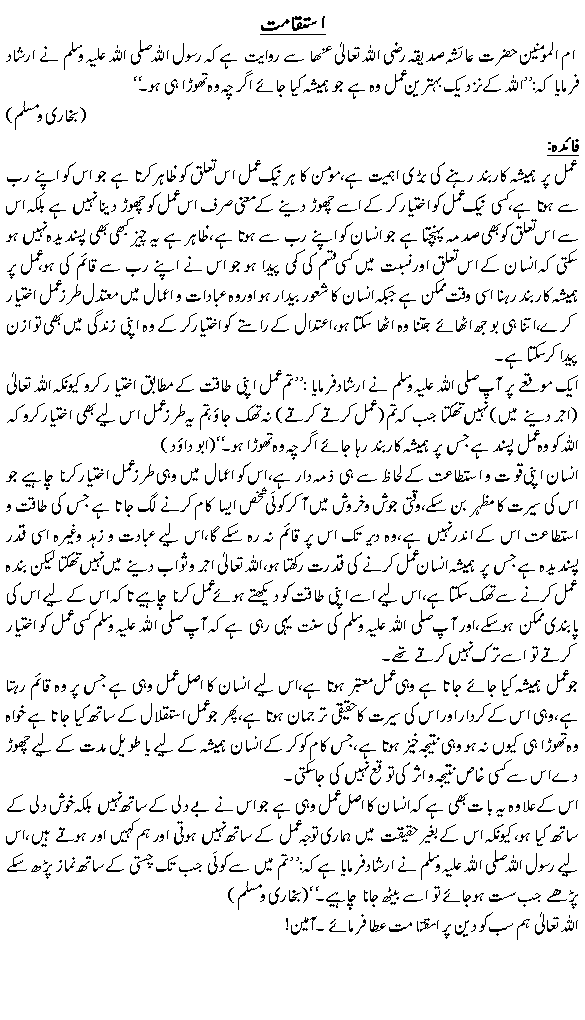
ام المومنین حضرت عائشہ صدیقہ رضی اللہ تعالیٰ عنہا سے روایت ہے کہ رسول اللہ صلی اللہ علیہ وسلم نے ارشاد فرمایا کہ: “اللہ کے نزدیک بہترین عمل وہ ہے جو ہمیشہ کیا جائے اگرچہ وہ تھوڑا ہی ہو”۔ (بخاری و مسلم)
عمل پر ہمیشہ کاربند رہنے کی بڑی اہمیت ہے، مومن کا ہر نیک عمل اس تعلق کو ظاہر کرتا ہے جو اس کو اپنے رب سے ہوتا ہے، کسی نیک عمل کو اختیار کر کے اسے چھوڑ دینے کے معنی صرف اس عمل کو چھوڑ دینا نہیں ہے بلکہ اس سے اس تعلق کو بھی صدمہ پہنچتا ہے جو انسان کو اپنے رب سے ہوتا ہے، ظاہر ہے یہ چیز کبھی بھی پسندیدہ نہیں ہو سکتی کہ انسان کے اس تعلق اور نسبت میں کسی قسم کی کمی پیدا ہو جو اس نے اپنے رب سے قائم کی ہو، عمل پر ہمیشہ کاربند رہنا اسی وقت ممکن ہے جبکہ انسان کا شعور بیدار ہو اور وہ عبادات و اعمال میں معتدل طرزِ عمل اختیار کرے، اتنا ہی بوجھ اٹھائے جتنا وہ اٹھا سکتا ہو، اعتدال کے راستے کو اختیار کر کے وہ اپنی زندگی میں بھی توازن پیدا کر سکتا ہے۔
ایک موقعے پر آپ صلی اللہ علیہ وسلم نے ارشاد فرمایا: “تم عمل اپنی طاقت کے مطابق اختیار کرو کیونکہ اللہ تعالیٰ (اجر دینے میں) نہیں تھکتا جب کہ تم (عمل کرتے کرتے) تھک جاؤ، تم یہ طرزِ عمل اس لیے بھی اختیار کرو کہ اللہ کو وہ عمل پسند ہے جس پر ہمیشہ کاربند رہا جائے اگرچہ وہ تھوڑا ہو”۔ (ابو داؤد)
انسان اپنی قوت و استطاعت کے لحاظ سے ہی ذمہ دار ہے، اس کو اعمال میں وہی طرزِ عمل اختیار کرنا چاہیے جو اس کی سیرت کا مظہر بن سکے، وقتی جوش و خروش میں آ کر کوئی شخص ایسا کام کرنے لگ جاتا ہے جس کی طاقت و استطاعت اس کے اندر نہیں ہے، وہ دیر تک اس پر قائم نہ رہ سکے گا، اس لیے عبادت و زہد وغیرہ اسی قدر پسندیدہ ہے جس پر ہمیشہ انسان عمل کرنے کی قدرت رکھتا ہو، اللہ تعالیٰ اجر و ثواب دینے میں نہیں تھکتا لیکن بندہ عمل کرنے سے تھک سکتا ہے، اس لیے اسے اپنی طاقت کو دیکھتے ہوئے عمل کرنا چاہیے تا کہ اس کے لیے اس کی پابندی ممکن ہو سکے، اور آپ صلی اللہ علیہ وسلم کی سنت یہی رہی ہے کہ آپ صلی اللہ علیہ وسلم کسی عمل کو اختیار کرتے تو اسے ترک نہیں کرتے تھے۔
جو عمل ہمیشہ کیا جائے وہی عمل معتبر ہوتا ہے، اس لیے انسان کا اصل عمل وہی ہے جس پر وہ قائم رہتا ہے، وہی اس کے کردار اور اس کی سیرت کا حقیقی ترجمان ہوتا ہے، پھر جو عمل استقلال کے ساتھ کیا جاتا ہے خواہ وہ تھوڑا ہی کیوں نہ ہو وہی نتیجہ خیز ہوتا ہے، جس کام کو کر کے انسان ہمیشہ کے لیے یا طویل مدت کے لیے چھوڑ دے اس سے کسی خاص نتیجہ و اثر کی توقع نہیں کی جا سکتی۔
اس کے علاوہ یہ بات بھی ہے کہ انسان کا اصل عمل وہی ہے جو اس نے بے دلی کے ساتھ نہیں بلکہ خوش دلی کے ساتھ کیا ہو، اس کے بغیر اس حقیقت میں ہماری توجہ عمل کے ساتھ نہیں ہوتی اور ہم کہیں اور ہوتے ہیں، اس لیے رسول اللہ صلی اللہ علیہ وسلم نے ارشاد فرمایا ہے کہ: “تم میں سے کوئی جب تک چستی کے ساتھ نماز پڑھ سکے پڑھے، جب سست ہو جائے تو اسے بیٹھ جانا چاہیے”۔ (بخاری و مسلم)
اللہ تعالیٰ ہم سب کو دین پر استقامت عطا فرمائے۔ آمین!
ایک موقعے پر آپ صلی اللہ علیہ وسلم نے ارشاد فرمایا: “تم عمل اپنی طاقت کے مطابق اختیار کرو کیونکہ اللہ تعالیٰ (اجر دینے میں) نہیں تھکتا جب کہ تم (عمل کرتے کرتے) تھک جاؤ، تم یہ طرزِ عمل اس لیے بھی اختیار کرو کہ اللہ کو وہ عمل پسند ہے جس پر ہمیشہ کاربند رہا جائے اگرچہ وہ تھوڑا ہو”۔ (ابو داؤد)
انسان اپنی قوت و استطاعت کے لحاظ سے ہی ذمہ دار ہے، اس کو اعمال میں وہی طرزِ عمل اختیار کرنا چاہیے جو اس کی سیرت کا مظہر بن سکے، وقتی جوش و خروش میں آ کر کوئی شخص ایسا کام کرنے لگ جاتا ہے جس کی طاقت و استطاعت اس کے اندر نہیں ہے، وہ دیر تک اس پر قائم نہ رہ سکے گا، اس لیے عبادت و زہد وغیرہ اسی قدر پسندیدہ ہے جس پر ہمیشہ انسان عمل کرنے کی قدرت رکھتا ہو، اللہ تعالیٰ اجر و ثواب دینے میں نہیں تھکتا لیکن بندہ عمل کرنے سے تھک سکتا ہے، اس لیے اسے اپنی طاقت کو دیکھتے ہوئے عمل کرنا چاہیے تا کہ اس کے لیے اس کی پابندی ممکن ہو سکے، اور آپ صلی اللہ علیہ وسلم کی سنت یہی رہی ہے کہ آپ صلی اللہ علیہ وسلم کسی عمل کو اختیار کرتے تو اسے ترک نہیں کرتے تھے۔
جو عمل ہمیشہ کیا جائے وہی عمل معتبر ہوتا ہے، اس لیے انسان کا اصل عمل وہی ہے جس پر وہ قائم رہتا ہے، وہی اس کے کردار اور اس کی سیرت کا حقیقی ترجمان ہوتا ہے، پھر جو عمل استقلال کے ساتھ کیا جاتا ہے خواہ وہ تھوڑا ہی کیوں نہ ہو وہی نتیجہ خیز ہوتا ہے، جس کام کو کر کے انسان ہمیشہ کے لیے یا طویل مدت کے لیے چھوڑ دے اس سے کسی خاص نتیجہ و اثر کی توقع نہیں کی جا سکتی۔
اس کے علاوہ یہ بات بھی ہے کہ انسان کا اصل عمل وہی ہے جو اس نے بے دلی کے ساتھ نہیں بلکہ خوش دلی کے ساتھ کیا ہو، اس کے بغیر اس حقیقت میں ہماری توجہ عمل کے ساتھ نہیں ہوتی اور ہم کہیں اور ہوتے ہیں، اس لیے رسول اللہ صلی اللہ علیہ وسلم نے ارشاد فرمایا ہے کہ: “تم میں سے کوئی جب تک چستی کے ساتھ نماز پڑھ سکے پڑھے، جب سست ہو جائے تو اسے بیٹھ جانا چاہیے”۔ (بخاری و مسلم)
اللہ تعالیٰ ہم سب کو دین پر استقامت عطا فرمائے۔ آمین!
English translation
Umm al-Mu’minin Aishah al-Siddiqah (may Allah be pleased with her) reported that the Messenger of Allah (صلى الله عليه وسلم) said: “The most beloved deed to Allah is that which is done consistently, even if it be little.” (Bukhari and Muslim)
Constancy in a deed is of great importance. Every good deed of a believer expresses the bond he has with his Lord. To adopt a good deed and then abandon it does not mean merely giving up that deed; rather, it also injures that bond which a person has with his Lord. Clearly, this can never be pleasing—that some deficiency should arise in the bond and relationship a person has established with his Lord. Constancy in a deed is possible only when a person’s consciousness is awake and he adopts a moderate approach in acts of worship and deeds, taking on only as much burden as he can bear; by adopting the path of moderation he can also create balance in his life.
On one occasion the Prophet (صلى الله عليه وسلم) said: “Adopt deeds according to your capacity, for Allah Almighty does not tire (of giving reward) even when you tire (of doing deeds). Adopt this approach also because Allah loves the deed that is done consistently, even if it be little.” (Abu Dawud)
Man is responsible only to the extent of his strength and capacity. In deeds he should adopt that approach which can become a reflection of his character. In a fit of momentary zeal and enthusiasm, a person sometimes sets about a work for which he does not have the strength and capacity; he will not be able to keep it up for long. That is why worship, abstinence and the like are pleasing to the extent that a person always has the power to perform them. Allah Almighty does not tire of giving reward, but the servant can tire of acting; therefore he should act while keeping his own strength in view, so that he can maintain it. And this was the Sunnah of the Prophet (صلى الله عليه وسلم): that when he adopted a deed, he would not abandon it.
The deed that is done consistently is the deed that counts; therefore a person’s real deed is the one upon which he remains steadfast—that is the true interpreter of his character and conduct. Moreover, the deed that is done with perseverance, however little it may be, is the one that bears fruit. From an act that a person does and then abandons for ever or for a long time, no particular result or effect can be expected.
Besides this, there is also the point that a person’s real deed is the one he has done not half-heartedly but with a cheerful heart, for without this our attention is not truly with the deed and we are somewhere else. That is why the Messenger of Allah (صلى الله عليه وسلم) said: “Let any of you pray as long as he can do so with alertness; when he becomes lazy, he should sit down.” (Bukhari and Muslim)
May Allah Almighty grant us all steadfastness in the religion. Amin!
Constancy in a deed is of great importance. Every good deed of a believer expresses the bond he has with his Lord. To adopt a good deed and then abandon it does not mean merely giving up that deed; rather, it also injures that bond which a person has with his Lord. Clearly, this can never be pleasing—that some deficiency should arise in the bond and relationship a person has established with his Lord. Constancy in a deed is possible only when a person’s consciousness is awake and he adopts a moderate approach in acts of worship and deeds, taking on only as much burden as he can bear; by adopting the path of moderation he can also create balance in his life.
On one occasion the Prophet (صلى الله عليه وسلم) said: “Adopt deeds according to your capacity, for Allah Almighty does not tire (of giving reward) even when you tire (of doing deeds). Adopt this approach also because Allah loves the deed that is done consistently, even if it be little.” (Abu Dawud)
Man is responsible only to the extent of his strength and capacity. In deeds he should adopt that approach which can become a reflection of his character. In a fit of momentary zeal and enthusiasm, a person sometimes sets about a work for which he does not have the strength and capacity; he will not be able to keep it up for long. That is why worship, abstinence and the like are pleasing to the extent that a person always has the power to perform them. Allah Almighty does not tire of giving reward, but the servant can tire of acting; therefore he should act while keeping his own strength in view, so that he can maintain it. And this was the Sunnah of the Prophet (صلى الله عليه وسلم): that when he adopted a deed, he would not abandon it.
The deed that is done consistently is the deed that counts; therefore a person’s real deed is the one upon which he remains steadfast—that is the true interpreter of his character and conduct. Moreover, the deed that is done with perseverance, however little it may be, is the one that bears fruit. From an act that a person does and then abandons for ever or for a long time, no particular result or effect can be expected.
Besides this, there is also the point that a person’s real deed is the one he has done not half-heartedly but with a cheerful heart, for without this our attention is not truly with the deed and we are somewhere else. That is why the Messenger of Allah (صلى الله عليه وسلم) said: “Let any of you pray as long as he can do so with alertness; when he becomes lazy, he should sit down.” (Bukhari and Muslim)
May Allah Almighty grant us all steadfastness in the religion. Amin!
View original image
https://hadith.ahadees.com/hadees/1207 — Ahadees.com