

فہم قرآن و تفسیر قرآن
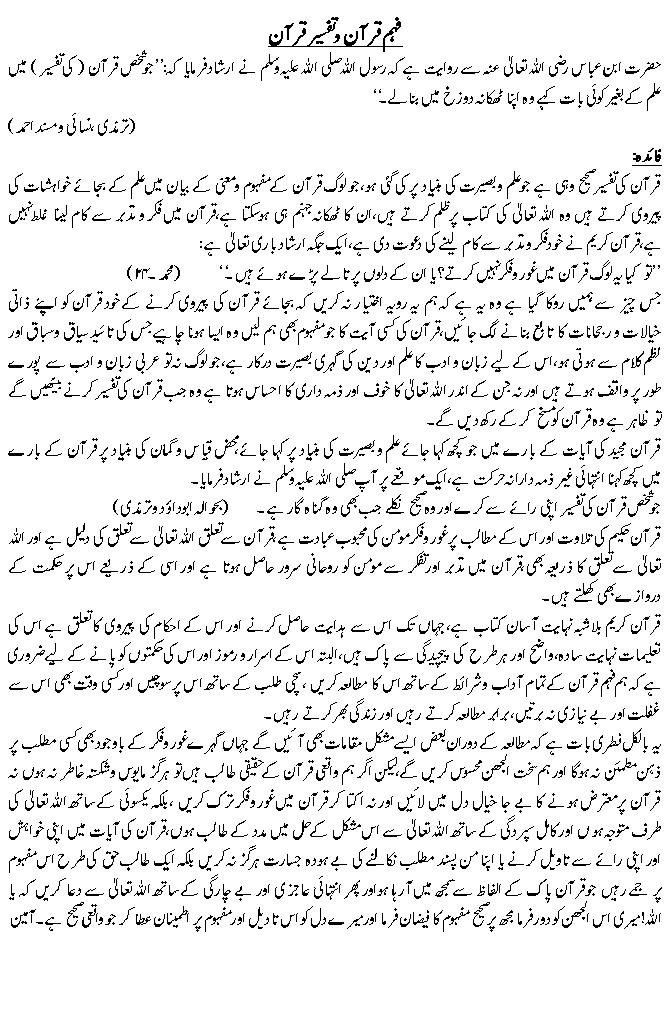
حضرت ابن عباس رضی اللہ تعالیٰ عنہ سے روایت ہے کہ رسول اللہ صلی اللہ علیہ وسلم نے ارشاد فرمایا کہ:۔ ''جو شخص قرآن (کی تفسیر) میں علم کے بغیر کوئی بات کہے وہ اپنا ٹھکانہ دوزخ میں بنا لے''۔ (ترمذی، نسائی و مسند احمد)
قرآن کی تفسیر صحیح وہی ہے جو علم و بصیرت کی بنیاد پر کی گئی ہو، جو لوگ قرآن کے مفہوم و معنی کے بیان میں علم کے بجائے خواہشات کی پیروی کرتے ہیں وہ اللہ تعالیٰ کی کتاب پر ظلم کرتے ہیں، ان کا ٹھکانہ جہنم ہی ہو سکتا ہے، قرآن میں فکر و تدبر سے کام لینا غلط نہیں ہے، قرآن کریم نے خود فکر و تدبر سے کام لینے کی دعوت دی ہے، ایک جگہ ارشادِ باری تعالیٰ ہے:
''تو کیا یہ لوگ قرآن میں غور و فکر نہیں کرتے؟ یا ان کے دلوں پر تالے پڑے ہوئے ہیں''۔ (محمد۔۲۴)
جس چیز سے ہمیں روکا گیا ہے وہ یہ ہے کہ ہم یہ رویہ اختیار نہ کریں کہ بجائے قرآن کی پیروی کرنے کے خود قرآن کو اپنے ذاتی خیالات و رجحانات کا تابع بنانے لگ جائیں، قرآن کی کسی آیت کا جو مفہوم بھی ہم لیں وہ ایسا ہونا چاہیے جس کی تائید سیاق و سباق اور نظمِ کلام سے ہوتی ہو، اس کے لیے زبان و ادب کا علم اور دین کی گہری بصیرت درکار ہے، جو لوگ نہ تو عربی زبان و ادب سے پورے طور پر واقف ہوتے ہیں اور نہ جن کے اندر اللہ تعالیٰ کا خوف اور ذمہ داری کا احساس ہوتا ہے وہ جب قرآن کی تفسیر کرنے بیٹھیں گے تو ظاہر ہے وہ قرآن کو مسخ کر کے رکھ دیں گے۔
قرآن مجید کی آیات کے بارے میں جو کچھ کہا جائے علم و بصیرت کی بنیاد پر کہا جائے، محض قیاس و گمان کی بنیاد پر قرآن کے بارے میں کچھ کہنا انتہائی غیر ذمہ دارانہ حرکت ہے، ایک موقع پر آپ صلی اللہ علیہ وسلم نے ارشاد فرمایا۔
جو شخص قرآن کی تفسیر اپنی رائے سے کرے اور وہ صحیح نکلے جب بھی وہ گناہ گار ہے۔ (بحوالہ ابو داؤد و ترمذی)
قرآن حکیم کی تلاوت اور اس کے مطالب پر غور و فکر مومن کی محبوب عبادت ہے، قرآن سے تعلق اللہ تعالیٰ سے تعلق کی دلیل ہے اور اللہ تعالیٰ سے تعلق کا ذریعہ بھی، قرآن میں تدبر اور تفکر سے مومن کو روحانی سرور حاصل ہوتا ہے اور اسی کے ذریعے اس پر حکمت کے دروازے بھی کھلتے ہیں۔
قرآن کریم بلاشبہ نہایت آسان کتاب ہے، جہاں تک اس سے ہدایت حاصل کرنے اور اس کے احکام کی پیروی کا تعلق ہے اس کی تعلیمات نہایت سادہ، واضح اور ہر طرح کی پیچیدگی سے پاک ہیں، البتہ اس کے اسرار و رموز اور اس کی حکمتوں کو پانے کے لیے ضروری ہے کہ ہم فہمِ قرآن کے تمام آداب و شرائط کے ساتھ اس کا مطالعہ کریں، سچی طلب کے ساتھ اس پر سوچیں اور کسی وقت بھی اس سے غفلت اور بے نیازی نہ برتیں، برابر مطالعہ کرتے رہیں اور زندگی بھر کرتے رہیں۔
یہ بالکل فطری بات ہے کہ مطالعہ کے دوران بعض ایسے مشکل مقامات بھی آئیں گے جہاں گہرے غور و فکر کے باوجود بھی کسی مطلب پر ذہن مطمئن نہ ہوگا اور ہم سخت الجھن محسوس کریں گے، لیکن اگر ہم واقعی قرآن کے حقیقی طالب ہیں تو ہرگز مایوس و شکستہ خاطر نہ ہوں، نہ قرآن پر معترض ہونے کا لمحہ بھر خیال دل میں لائیں اور نہ اکتا کر قرآن میں غور و فکر ترک کریں، بلکہ یکسوئی کے ساتھ اللہ تعالیٰ کی طرف متوجہ ہوں اور کامل سپردگی کے ساتھ اللہ تعالیٰ سے اس مشکل کے حل میں مدد کے طالب ہوں، قرآن کی آیات میں اپنی خواہش اور اپنی رائے سے تاویل کرنے یا اپنا من پسند مطلب نکالنے کی بے ہودہ جسارت ہرگز نہ کریں بلکہ ایک طالبِ حق کی طرح اس مفہوم پر جمے رہیں جو قرآن پاک کے الفاظ سے سمجھ میں آ رہا ہو اور پھر انتہائی عاجزی اور بے چارگی کے ساتھ اللہ تعالیٰ سے دعا کریں کہ یا اللہ! میری اس الجھن کو دور فرما، مجھ پر صحیح مفہوم کا فیضان فرما اور میرے دل کو اس تاویل اور مفہوم پر اطمینان عطا کر جو واقعی صحیح ہے۔ آمین
''تو کیا یہ لوگ قرآن میں غور و فکر نہیں کرتے؟ یا ان کے دلوں پر تالے پڑے ہوئے ہیں''۔ (محمد۔۲۴)
جس چیز سے ہمیں روکا گیا ہے وہ یہ ہے کہ ہم یہ رویہ اختیار نہ کریں کہ بجائے قرآن کی پیروی کرنے کے خود قرآن کو اپنے ذاتی خیالات و رجحانات کا تابع بنانے لگ جائیں، قرآن کی کسی آیت کا جو مفہوم بھی ہم لیں وہ ایسا ہونا چاہیے جس کی تائید سیاق و سباق اور نظمِ کلام سے ہوتی ہو، اس کے لیے زبان و ادب کا علم اور دین کی گہری بصیرت درکار ہے، جو لوگ نہ تو عربی زبان و ادب سے پورے طور پر واقف ہوتے ہیں اور نہ جن کے اندر اللہ تعالیٰ کا خوف اور ذمہ داری کا احساس ہوتا ہے وہ جب قرآن کی تفسیر کرنے بیٹھیں گے تو ظاہر ہے وہ قرآن کو مسخ کر کے رکھ دیں گے۔
قرآن مجید کی آیات کے بارے میں جو کچھ کہا جائے علم و بصیرت کی بنیاد پر کہا جائے، محض قیاس و گمان کی بنیاد پر قرآن کے بارے میں کچھ کہنا انتہائی غیر ذمہ دارانہ حرکت ہے، ایک موقع پر آپ صلی اللہ علیہ وسلم نے ارشاد فرمایا۔
جو شخص قرآن کی تفسیر اپنی رائے سے کرے اور وہ صحیح نکلے جب بھی وہ گناہ گار ہے۔ (بحوالہ ابو داؤد و ترمذی)
قرآن حکیم کی تلاوت اور اس کے مطالب پر غور و فکر مومن کی محبوب عبادت ہے، قرآن سے تعلق اللہ تعالیٰ سے تعلق کی دلیل ہے اور اللہ تعالیٰ سے تعلق کا ذریعہ بھی، قرآن میں تدبر اور تفکر سے مومن کو روحانی سرور حاصل ہوتا ہے اور اسی کے ذریعے اس پر حکمت کے دروازے بھی کھلتے ہیں۔
قرآن کریم بلاشبہ نہایت آسان کتاب ہے، جہاں تک اس سے ہدایت حاصل کرنے اور اس کے احکام کی پیروی کا تعلق ہے اس کی تعلیمات نہایت سادہ، واضح اور ہر طرح کی پیچیدگی سے پاک ہیں، البتہ اس کے اسرار و رموز اور اس کی حکمتوں کو پانے کے لیے ضروری ہے کہ ہم فہمِ قرآن کے تمام آداب و شرائط کے ساتھ اس کا مطالعہ کریں، سچی طلب کے ساتھ اس پر سوچیں اور کسی وقت بھی اس سے غفلت اور بے نیازی نہ برتیں، برابر مطالعہ کرتے رہیں اور زندگی بھر کرتے رہیں۔
یہ بالکل فطری بات ہے کہ مطالعہ کے دوران بعض ایسے مشکل مقامات بھی آئیں گے جہاں گہرے غور و فکر کے باوجود بھی کسی مطلب پر ذہن مطمئن نہ ہوگا اور ہم سخت الجھن محسوس کریں گے، لیکن اگر ہم واقعی قرآن کے حقیقی طالب ہیں تو ہرگز مایوس و شکستہ خاطر نہ ہوں، نہ قرآن پر معترض ہونے کا لمحہ بھر خیال دل میں لائیں اور نہ اکتا کر قرآن میں غور و فکر ترک کریں، بلکہ یکسوئی کے ساتھ اللہ تعالیٰ کی طرف متوجہ ہوں اور کامل سپردگی کے ساتھ اللہ تعالیٰ سے اس مشکل کے حل میں مدد کے طالب ہوں، قرآن کی آیات میں اپنی خواہش اور اپنی رائے سے تاویل کرنے یا اپنا من پسند مطلب نکالنے کی بے ہودہ جسارت ہرگز نہ کریں بلکہ ایک طالبِ حق کی طرح اس مفہوم پر جمے رہیں جو قرآن پاک کے الفاظ سے سمجھ میں آ رہا ہو اور پھر انتہائی عاجزی اور بے چارگی کے ساتھ اللہ تعالیٰ سے دعا کریں کہ یا اللہ! میری اس الجھن کو دور فرما، مجھ پر صحیح مفہوم کا فیضان فرما اور میرے دل کو اس تاویل اور مفہوم پر اطمینان عطا کر جو واقعی صحیح ہے۔ آمین
English translation
It is narrated from Ibn ʿAbbās (RA) that the Messenger of Allah ﷺ said: "Whoever speaks about the Qur'an (its interpretation) without knowledge, let him take his seat in the Fire." (Tirmidhī, Nasā'ī and Musnad Ahmad)
The correct interpretation of the Qur'an is only that which is founded on knowledge and insight. Those who, in expounding the meaning of the Qur'an, follow desires rather than knowledge, wrong the Book of Allah, and their abode can only be Hell. Reflecting and pondering over the Qur'an is not wrong; the Qur'an itself invites us to reflect and ponder. In one place Allah Almighty says: "Then do they not reflect upon the Qur'an, or are there locks upon their hearts?" (Muhammad 47:24)
What we are forbidden is to adopt the attitude of making the Qur'an subservient to our own personal ideas and inclinations instead of following it. Whatever meaning we take from any verse of the Qur'an must be one supported by its context and the structure of the discourse. This requires knowledge of language and literature and a deep insight into religion. Those who are neither fully versed in the Arabic language and literature, nor have within them the fear of Allah and a sense of responsibility, will — when they sit down to interpret the Qur'an — obviously distort it.
Whatever is said about the verses of the Qur'an should be said on the basis of knowledge and insight; to say something about the Qur'an merely on the basis of conjecture and guesswork is an utterly irresponsible act. On one occasion the Prophet ﷺ said: "Whoever interprets the Qur'an by his own opinion, even if he happens to be right, has still sinned." (reported by Abū Dāwūd and Tirmidhī)
Reciting the Qur'an and reflecting on its meanings is a beloved act of worship for the believer. A bond with the Qur'an is proof of a bond with Allah, and also a means to it. Through pondering and reflecting on the Qur'an the believer attains spiritual delight, and through it the doors of wisdom are opened to him.
The Qur'an is without doubt a very easy book. As far as taking guidance from it and following its rulings is concerned, its teachings are extremely simple, clear and free of every kind of complexity. However, to grasp its secrets, subtleties and wisdom it is necessary that we study it with all the etiquette and conditions of understanding the Qur'an, reflect on it with true seeking, never treat it with negligence or indifference, and keep studying it constantly throughout life.
It is entirely natural that during study some difficult passages will arise where, despite deep reflection, the mind will not be satisfied about some meaning and we will feel great perplexity. But if we are truly genuine seekers of the Qur'an, we should never become despairing or broken-hearted, nor let even a moment's thought of objecting to the Qur'an enter the heart, nor abandon reflection out of weariness. Rather, turning to Allah with single-minded devotion and complete surrender, we should seek His help in resolving that difficulty. We should never make the unseemly attempt to twist the verses of the Qur'an according to our own desire and opinion, or to extract a meaning of our own liking. Instead, like a seeker of truth, we should hold to the meaning that the words of the Holy Qur'an convey, and then, with utmost humility and helplessness, pray to Allah: "O Allah, remove this perplexity of mine, bestow upon me the correct meaning, and grant my heart contentment with that interpretation and meaning which is truly correct." Ameen.
The correct interpretation of the Qur'an is only that which is founded on knowledge and insight. Those who, in expounding the meaning of the Qur'an, follow desires rather than knowledge, wrong the Book of Allah, and their abode can only be Hell. Reflecting and pondering over the Qur'an is not wrong; the Qur'an itself invites us to reflect and ponder. In one place Allah Almighty says: "Then do they not reflect upon the Qur'an, or are there locks upon their hearts?" (Muhammad 47:24)
What we are forbidden is to adopt the attitude of making the Qur'an subservient to our own personal ideas and inclinations instead of following it. Whatever meaning we take from any verse of the Qur'an must be one supported by its context and the structure of the discourse. This requires knowledge of language and literature and a deep insight into religion. Those who are neither fully versed in the Arabic language and literature, nor have within them the fear of Allah and a sense of responsibility, will — when they sit down to interpret the Qur'an — obviously distort it.
Whatever is said about the verses of the Qur'an should be said on the basis of knowledge and insight; to say something about the Qur'an merely on the basis of conjecture and guesswork is an utterly irresponsible act. On one occasion the Prophet ﷺ said: "Whoever interprets the Qur'an by his own opinion, even if he happens to be right, has still sinned." (reported by Abū Dāwūd and Tirmidhī)
Reciting the Qur'an and reflecting on its meanings is a beloved act of worship for the believer. A bond with the Qur'an is proof of a bond with Allah, and also a means to it. Through pondering and reflecting on the Qur'an the believer attains spiritual delight, and through it the doors of wisdom are opened to him.
The Qur'an is without doubt a very easy book. As far as taking guidance from it and following its rulings is concerned, its teachings are extremely simple, clear and free of every kind of complexity. However, to grasp its secrets, subtleties and wisdom it is necessary that we study it with all the etiquette and conditions of understanding the Qur'an, reflect on it with true seeking, never treat it with negligence or indifference, and keep studying it constantly throughout life.
It is entirely natural that during study some difficult passages will arise where, despite deep reflection, the mind will not be satisfied about some meaning and we will feel great perplexity. But if we are truly genuine seekers of the Qur'an, we should never become despairing or broken-hearted, nor let even a moment's thought of objecting to the Qur'an enter the heart, nor abandon reflection out of weariness. Rather, turning to Allah with single-minded devotion and complete surrender, we should seek His help in resolving that difficulty. We should never make the unseemly attempt to twist the verses of the Qur'an according to our own desire and opinion, or to extract a meaning of our own liking. Instead, like a seeker of truth, we should hold to the meaning that the words of the Holy Qur'an convey, and then, with utmost humility and helplessness, pray to Allah: "O Allah, remove this perplexity of mine, bestow upon me the correct meaning, and grant my heart contentment with that interpretation and meaning which is truly correct." Ameen.
View original image
https://hadith.ahadees.com/hadees/1409 — Ahadees.com