

نیت کی پاکیزگی
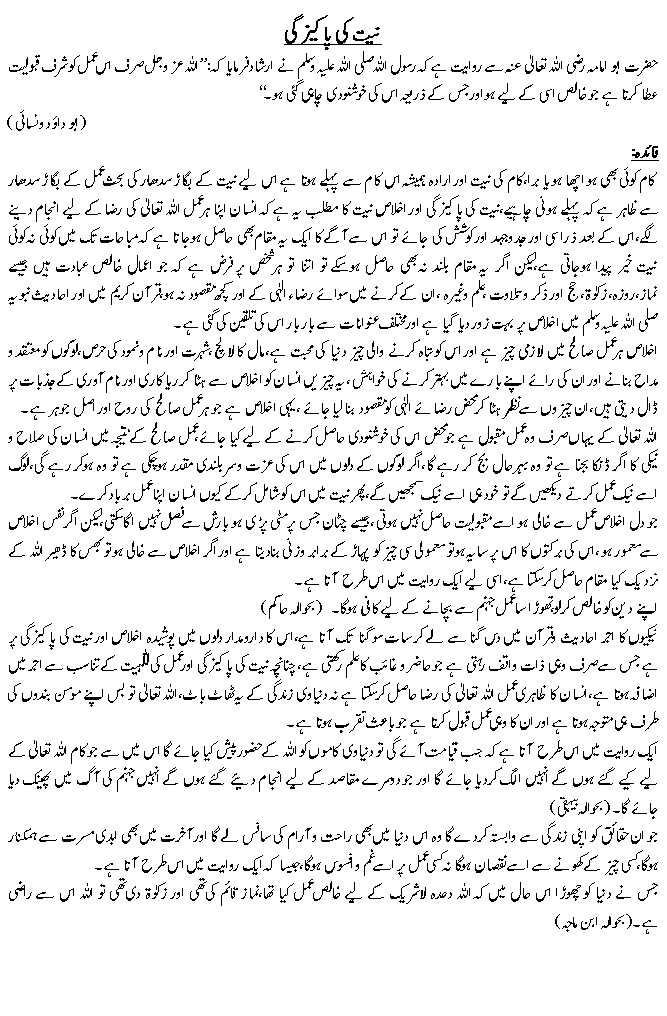
حضرت ابو امامہ رضی اللہ تعالیٰ عنہ سے روایت ہے کہ رسول اللہ صلی اللہ علیہ وسلم نے ارشاد فرمایا کہ: ”اللہ عز وجل صرف اس عمل کو شرف قبولیت عطا کرتا ہے جو خالص اسی کے لیے ہو اور جس کے ذریعہ اس کی خوشنودی چاہی گئی ہو۔“ (ابو داؤد، نسائی)
کام کوئی بھی ہو یا اچھا ہو یا برا، کام کی نیت اور ارادہ ہمیشہ اس کام سے پہلے ہوتا ہے اس لیے نیت کے بگاڑ سدھار کی بحث عمل کے بگاڑ سدھار سے ظاہر ہے کہ پہلے ہونی چاہیے، نیت کی پاکیزگی اور اخلاص نیت کا مطلب یہ ہے کہ انسان اپنا ہر عمل اللہ تعالیٰ کی رضا کے لیے انجام دینے لگے، اس کے بعد ذرا سی اور جدوجہد اور کوشش کی جائے تو اس سے آگے کا ایک یہ مقام بھی حاصل ہو جاتا ہے کہ مباحات تک میں کوئی نہ کوئی نیت خیر پیدا ہو جاتی ہے، لیکن اگر یہ مقام بلند نہ بھی حاصل ہوسکے تو اتنا تو ہر شخص پر فرض ہے کہ جو اعمال خالص عبادت ہیں جیسے نماز، روزہ، زکوٰۃ، حج اور ذکر و تلاوت، علم وغیرہ، ان کے کرنے میں سوائے رضاء الٰہی کے اور کچھ مقصود نہ ہو، قرآن کریم میں اور احادیث نبویہ صلی اللہ علیہ وسلم میں اخلاص پر بہت زور دیا گیا ہے اور مختلف عنوانات سے بار بار اس کی تلقین کی گئی ہے۔
اخلاص ہر عمل صالح میں لازمی چیز ہے اور اس کو تباہ کرنے والی چیز دنیا کی محبت ہے، مال کا لالچ، شہرت اور نام و نمود کی حرص، لوگوں کو معتقد و مداح بنانے اور ان کی رائے اپنے بارے میں بہتر کرنے کی خواہش، یہ چیزیں انسان کو اخلاص سے ہٹا کر ریا کاری اور نام آوری کے جذبات پر ڈال دیتی ہیں، ان چیزوں سے نظر ہٹا کر محض رضائے الٰہی کو مقصود بنا لیا جائے، یہی اخلاص ہے جو ہر عمل صالح کی روح اور اصل جوہر ہے۔ اللہ تعالیٰ کے یہاں وہ عمل مقبول ہے جو محض اس کی خوشنودی حاصل کرنے کے لیے کیا جائے، عمل صالح کے نتیجے میں انسان کی صلاح و نیکی کا اگر ڈنکا بجنا ہے تو وہ بہر حال بج کر رہے گا، اگر لوگوں کے دلوں میں اس کی عزت و سربلندی مقدر ہوچکی ہے تو وہ ہوکر رہے گی، لوگ اسے نیک عمل کرتے دیکھیں گے تو خود ہی اسے نیک سمجھیں گے، پھر نیت میں اس کو شامل کرکے کیوں انسان اپنا عمل برباد کرے۔
جو دل اخلاص عمل سے خالی ہو اسے مقبولیت حاصل نہیں ہوتی، جیسے چٹان جس پر مٹی پڑی ہو بارش سے فصل نہیں اگاتی، لیکن اگر نفس اخلاص سے معمور ہو، اس کی برکتوں کا اس پر سایہ ہو تو معمولی سی چیز کو پہاڑ کے برابر وزنی بنا دیتا ہے اور اگر اخلاص سے خالی ہو تو بھس کا ڈھیر اللہ کے نزدیک کیا مقام حاصل کر سکتا ہے، اسی لیے ایک روایت میں اس طرح آتا ہے۔
اپنے دین کو خالص کر لو تھوڑا سا عمل جہنم سے بچانے کے لیے کافی ہوگا۔ (بحوالہ حاکم)
نیکیوں کا اجر احادیث میں قرآن میں دس گنا سے لے کر سات سو گنا تک آتا ہے، اس کا دارومدار دلوں میں پوشیدہ اخلاص اور نیت کی پاکیزگی پر ہے جس سے صرف وہی ذات واقف رہتی ہے جو حاضر و غائب کا علم رکھتی ہے، چنانچہ نیت کی پاکیزگی اور عمل کی للہیت کے تناسب سے اجر میں اضافہ ہوتا ہے، نہ انسان کا ظاہری عمل اللہ تعالیٰ کی رضا حاصل کر سکتا ہے اور نہ دنیاوی زندگی کے یہ ٹھاٹ باٹ، اللہ تعالیٰ تو بس اپنے مومن بندوں کی طرف ہی متوجہ ہوتا ہے اور ان کا وہ عمل قبول کرتا ہے جو باعث تقرب ہوتا ہے۔
ایک روایت میں اس طرح آتا ہے کہ جب قیامت آئے گی تو دنیاوی کاموں کو اللہ کے حضور پیش کیا جائے گا اس میں سے جو کام اللہ تعالیٰ کے لیے کیے گئے ہوں گے انہیں الگ کر دیا جائے گا اور جو دوسرے مقاصد کے لیے انجام دیئے گئے ہوں گے انہیں جہنم کی آگ میں پھینک دیا جائے گا۔ (بحوالہ بیہقی)
جو ان حقائق کو اپنی زندگی سے وابستہ کر دے گا وہ اس دنیا میں بھی راحت و آرام کی سانس لے گا اور آخرت میں بھی ابدی مسرت سے ہمکنار ہوگا، کسی چیز کے کھونے سے اسے نقصان ہوگا نہ کسی عمل پر اسے غم و افسوس ہوگا، جیسا کہ ایک روایت میں اس طرح آتا ہے۔
جس نے دنیا کو چھوڑا اس حال میں کہ اللہ وحدہ لاشریک کے لیے خالص عمل کیا تھا، نماز قائم کی تھی اور زکوٰۃ دی تھی تو اللہ اس سے راضی ہے۔ (بحوالہ ابن ماجہ)
اخلاص ہر عمل صالح میں لازمی چیز ہے اور اس کو تباہ کرنے والی چیز دنیا کی محبت ہے، مال کا لالچ، شہرت اور نام و نمود کی حرص، لوگوں کو معتقد و مداح بنانے اور ان کی رائے اپنے بارے میں بہتر کرنے کی خواہش، یہ چیزیں انسان کو اخلاص سے ہٹا کر ریا کاری اور نام آوری کے جذبات پر ڈال دیتی ہیں، ان چیزوں سے نظر ہٹا کر محض رضائے الٰہی کو مقصود بنا لیا جائے، یہی اخلاص ہے جو ہر عمل صالح کی روح اور اصل جوہر ہے۔ اللہ تعالیٰ کے یہاں وہ عمل مقبول ہے جو محض اس کی خوشنودی حاصل کرنے کے لیے کیا جائے، عمل صالح کے نتیجے میں انسان کی صلاح و نیکی کا اگر ڈنکا بجنا ہے تو وہ بہر حال بج کر رہے گا، اگر لوگوں کے دلوں میں اس کی عزت و سربلندی مقدر ہوچکی ہے تو وہ ہوکر رہے گی، لوگ اسے نیک عمل کرتے دیکھیں گے تو خود ہی اسے نیک سمجھیں گے، پھر نیت میں اس کو شامل کرکے کیوں انسان اپنا عمل برباد کرے۔
جو دل اخلاص عمل سے خالی ہو اسے مقبولیت حاصل نہیں ہوتی، جیسے چٹان جس پر مٹی پڑی ہو بارش سے فصل نہیں اگاتی، لیکن اگر نفس اخلاص سے معمور ہو، اس کی برکتوں کا اس پر سایہ ہو تو معمولی سی چیز کو پہاڑ کے برابر وزنی بنا دیتا ہے اور اگر اخلاص سے خالی ہو تو بھس کا ڈھیر اللہ کے نزدیک کیا مقام حاصل کر سکتا ہے، اسی لیے ایک روایت میں اس طرح آتا ہے۔
اپنے دین کو خالص کر لو تھوڑا سا عمل جہنم سے بچانے کے لیے کافی ہوگا۔ (بحوالہ حاکم)
نیکیوں کا اجر احادیث میں قرآن میں دس گنا سے لے کر سات سو گنا تک آتا ہے، اس کا دارومدار دلوں میں پوشیدہ اخلاص اور نیت کی پاکیزگی پر ہے جس سے صرف وہی ذات واقف رہتی ہے جو حاضر و غائب کا علم رکھتی ہے، چنانچہ نیت کی پاکیزگی اور عمل کی للہیت کے تناسب سے اجر میں اضافہ ہوتا ہے، نہ انسان کا ظاہری عمل اللہ تعالیٰ کی رضا حاصل کر سکتا ہے اور نہ دنیاوی زندگی کے یہ ٹھاٹ باٹ، اللہ تعالیٰ تو بس اپنے مومن بندوں کی طرف ہی متوجہ ہوتا ہے اور ان کا وہ عمل قبول کرتا ہے جو باعث تقرب ہوتا ہے۔
ایک روایت میں اس طرح آتا ہے کہ جب قیامت آئے گی تو دنیاوی کاموں کو اللہ کے حضور پیش کیا جائے گا اس میں سے جو کام اللہ تعالیٰ کے لیے کیے گئے ہوں گے انہیں الگ کر دیا جائے گا اور جو دوسرے مقاصد کے لیے انجام دیئے گئے ہوں گے انہیں جہنم کی آگ میں پھینک دیا جائے گا۔ (بحوالہ بیہقی)
جو ان حقائق کو اپنی زندگی سے وابستہ کر دے گا وہ اس دنیا میں بھی راحت و آرام کی سانس لے گا اور آخرت میں بھی ابدی مسرت سے ہمکنار ہوگا، کسی چیز کے کھونے سے اسے نقصان ہوگا نہ کسی عمل پر اسے غم و افسوس ہوگا، جیسا کہ ایک روایت میں اس طرح آتا ہے۔
جس نے دنیا کو چھوڑا اس حال میں کہ اللہ وحدہ لاشریک کے لیے خالص عمل کیا تھا، نماز قائم کی تھی اور زکوٰۃ دی تھی تو اللہ اس سے راضی ہے۔ (بحوالہ ابن ماجہ)
English translation
Abu Umamah (may Allah be pleased with him) narrated that the Messenger of Allah (peace be upon him) said: “Allah, the Mighty and Majestic, grants the honour of acceptance only to that deed which is done purely for Him and by which His pleasure alone is sought.”
Whatever the deed — good or bad — the intention and resolve for it always precede the act; so, evidently, the matter of the soundness or corruption of the intention must come before that of the deed. Purity of intention and sincerity of intention mean that a person begins to perform his every act for the pleasure of Allah. If, beyond that, a little more striving and effort is made, then one attains a further station in which even in permissible matters some good intention is generated. But even if this lofty station cannot be attained, it is at least obligatory upon everyone that, in performing acts of pure worship — such as prayer, fasting, zakat, hajj, remembrance and recitation, seeking knowledge, and the like — nothing be intended but the pleasure of Allah. In the Noble Qur'an and in the Prophetic traditions (peace be upon him) great emphasis is laid on sincerity, and it is repeatedly enjoined under various headings.
Sincerity is essential in every righteous deed, and the thing that destroys it is love of the world: greed for wealth, craving for fame and reputation, and the desire to make people one's devotees and admirers and to improve their opinion of oneself. These things drag a person away from sincerity into ostentation and the pursuit of renown. To turn one's gaze away from these things and make the pleasure of Allah alone the goal — this is sincerity, which is the soul and true essence of every righteous deed. With Allah, only that deed is accepted which is done solely to attain His pleasure. If, as a result of a righteous deed, a person's goodness is destined to be proclaimed, it will be proclaimed anyway; if honour and elevation in people's hearts have been decreed for him, they will come to pass; when people see him doing good deeds, they will of their own accord regard him as good — so why should a person ruin his deed by mixing that into his intention?
A heart empty of sincerity in action attains no acceptance, just as a rock upon which soil has settled grows no crop from the rain; but if the self is filled with sincerity and shaded by its blessings, it makes an ordinary thing as weighty as a mountain, whereas if it is empty of sincerity, what station can a heap of chaff attain with Allah? That is why it comes in one narration: “Make your religion sincere, and a little deed will suffice to save you from Hell.” (Reported by Hakim)
In the ahadith and the Qur'an the reward of good deeds comes as tenfold up to seven-hundredfold; this depends upon the sincerity and purity of intention hidden in hearts, of which only that Being is aware who knows the seen and the unseen. Thus the reward increases in proportion to the purity of intention and the doing of the deed for Allah's sake alone. Neither can a person's outward deed attain the pleasure of Allah, nor can this pomp and show of worldly life; Allah turns only towards His believing servants and accepts that deed of theirs which brings nearness to Him.
In one narration it comes thus: that when the Day of Resurrection comes, worldly deeds will be presented before Allah; from among them, those deeds that were done for Allah will be set apart, and those that were performed for other objectives will be cast into the Fire of Hell. (Reported by Bayhaqi)
Whoever attaches these realities to his life will breathe the breath of ease and comfort in this world too, and in the Hereafter will attain everlasting joy; he will suffer no loss over the loss of anything, nor grieve and regret over any deed — as it comes in one narration: “Whoever leaves the world in the state that he acted sincerely for Allah alone, without partner, established the prayer, and gave the zakat — Allah is pleased with him.” (Reported by Ibn Majah)
Whatever the deed — good or bad — the intention and resolve for it always precede the act; so, evidently, the matter of the soundness or corruption of the intention must come before that of the deed. Purity of intention and sincerity of intention mean that a person begins to perform his every act for the pleasure of Allah. If, beyond that, a little more striving and effort is made, then one attains a further station in which even in permissible matters some good intention is generated. But even if this lofty station cannot be attained, it is at least obligatory upon everyone that, in performing acts of pure worship — such as prayer, fasting, zakat, hajj, remembrance and recitation, seeking knowledge, and the like — nothing be intended but the pleasure of Allah. In the Noble Qur'an and in the Prophetic traditions (peace be upon him) great emphasis is laid on sincerity, and it is repeatedly enjoined under various headings.
Sincerity is essential in every righteous deed, and the thing that destroys it is love of the world: greed for wealth, craving for fame and reputation, and the desire to make people one's devotees and admirers and to improve their opinion of oneself. These things drag a person away from sincerity into ostentation and the pursuit of renown. To turn one's gaze away from these things and make the pleasure of Allah alone the goal — this is sincerity, which is the soul and true essence of every righteous deed. With Allah, only that deed is accepted which is done solely to attain His pleasure. If, as a result of a righteous deed, a person's goodness is destined to be proclaimed, it will be proclaimed anyway; if honour and elevation in people's hearts have been decreed for him, they will come to pass; when people see him doing good deeds, they will of their own accord regard him as good — so why should a person ruin his deed by mixing that into his intention?
A heart empty of sincerity in action attains no acceptance, just as a rock upon which soil has settled grows no crop from the rain; but if the self is filled with sincerity and shaded by its blessings, it makes an ordinary thing as weighty as a mountain, whereas if it is empty of sincerity, what station can a heap of chaff attain with Allah? That is why it comes in one narration: “Make your religion sincere, and a little deed will suffice to save you from Hell.” (Reported by Hakim)
In the ahadith and the Qur'an the reward of good deeds comes as tenfold up to seven-hundredfold; this depends upon the sincerity and purity of intention hidden in hearts, of which only that Being is aware who knows the seen and the unseen. Thus the reward increases in proportion to the purity of intention and the doing of the deed for Allah's sake alone. Neither can a person's outward deed attain the pleasure of Allah, nor can this pomp and show of worldly life; Allah turns only towards His believing servants and accepts that deed of theirs which brings nearness to Him.
In one narration it comes thus: that when the Day of Resurrection comes, worldly deeds will be presented before Allah; from among them, those deeds that were done for Allah will be set apart, and those that were performed for other objectives will be cast into the Fire of Hell. (Reported by Bayhaqi)
Whoever attaches these realities to his life will breathe the breath of ease and comfort in this world too, and in the Hereafter will attain everlasting joy; he will suffer no loss over the loss of anything, nor grieve and regret over any deed — as it comes in one narration: “Whoever leaves the world in the state that he acted sincerely for Allah alone, without partner, established the prayer, and gave the zakat — Allah is pleased with him.” (Reported by Ibn Majah)
View original image
#Group17
#Prayer
#Fasting
#Zakat
#Hajj
#Quran
#Knowledge
#Hell
#Remembrance
#Prophet
#Sincerity
#Judgement
#Reward
https://hadith.ahadees.com/hadees/1701 — Ahadees.com