

وراثت کا بیان
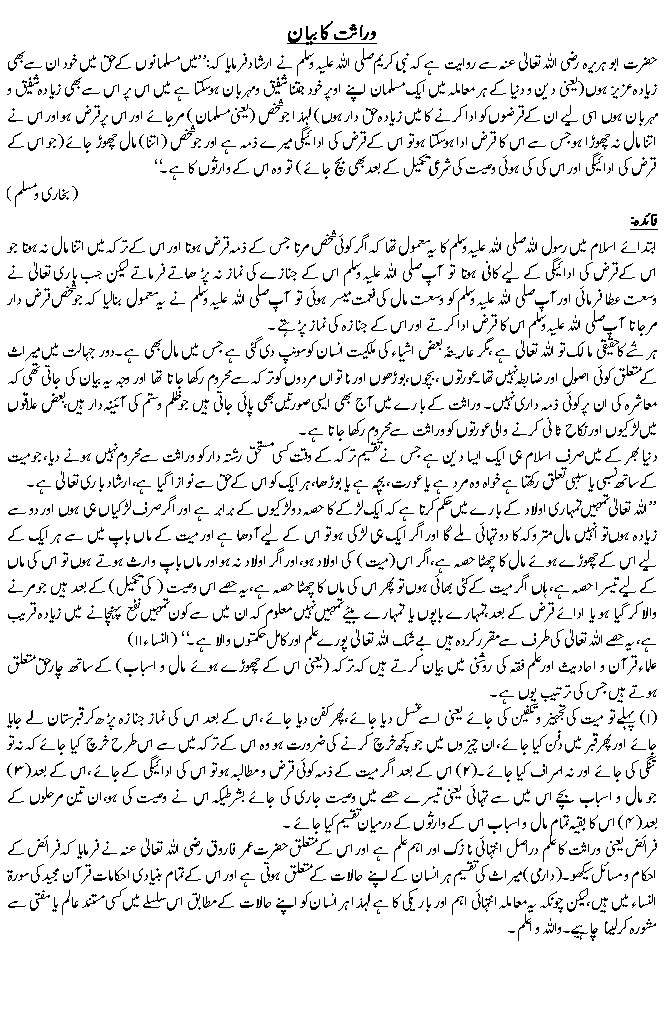
حضرت ابو ہریرہ رضی اللہ تعالیٰ عنہ سے روایت ہے کہ نبی کریم صلی اللہ علیہ وسلم نے ارشاد فرمایا کہ: ”میں مسلمانوں کے حق میں خود ان سے بھی زیادہ عزیز ہوں (یعنی دین و دنیا کے ہر معاملہ میں ایک مسلمان اپنے اور خود جتنا شفیق و مہربان ہوسکتا ہے میں اس سے بھی زیادہ شفیق و مہربان ہوں اسی لیے ان کے قرضوں کو ادا کرنے کا میں زیادہ حق دار ہوں) لہٰذا جو شخص (یعنی مسلمان) مر جائے اور اس پر قرض ہو اور اس نے اتنا مال نہ چھوڑا ہو جس سے اس کا قرض ادا ہوسکتا ہو تو اس کے قرض کی ادائیگی میرے ذمہ ہے اور جو شخص (اتنا) مال چھوڑ جائے (جو اس کے قرض کی ادائیگی اور اس کی ہوئی وصیت کی شرعی تکمیل کے بعد بھی بچ جائے) تو وہ اس کے وارثوں کا ہے“ (بخاری و مسلم)
ابتداءِ اسلام میں رسول اللہ صلی اللہ علیہ وسلم کا یہ معمول تھا کہ اگر کوئی شخص مرتا جس کے ذمہ قرض ہوتا اور اس کے ترکہ میں اتنا مال نہ ہوتا جو اس کے قرض کی ادائیگی کے لیے کافی ہوتا تو آپ صلی اللہ علیہ وسلم اس کے جنازے کی نماز نہ پڑھاتے فرماتے لیکن جب باری تعالیٰ نے وسعت عطا فرمائی اور آپ صلی اللہ علیہ وسلم کو وسعت مال کی نعمت میسر ہوئی تو آپ صلی اللہ علیہ وسلم نے یہ معمول بنالیا کہ جو شخص قرض دار مر جاتا آپ صلی اللہ علیہ وسلم اس کا قرض ادا کرتے اور اس کے جنازہ کی نماز پڑھتے۔
ہر شے کا حقیقی مالک تو اللہ تعالیٰ ہے، مگر عارضۃً بعض اشیاء کی ملکیت انسان کو سونپ دی گئی ہے جس میں مال بھی ہے۔ دور جہالت میں میراث کے متعلق کوئی اصول اور ضابطہ نہیں تھا، عورتوں، بچوں، بوڑھوں اور ناتواں مردوں کو ترکہ سے محروم رکھا جانا تھا اور وجہ یہ بیان کی جاتی تھی کہ معاشرہ کی ان پر کوئی ذمہ داری نہیں۔ وراثت کے بارے میں آج بھی ایسی صورتیں بھی پائی جاتی ہیں جو ظلم و ستم کی آئینہ دار ہیں، بعض علاقوں میں لڑکیوں اور نکاح ثانی کرنے والی عورتوں کو وراثت سے محروم رکھا جاتا ہے۔
دنیا بھر میں صرف اسلام ہی ایک ایسا دین ہے جس نے تقسیم ترکہ کے وقت کسی مستحق رشتہ دار کو وراثت سے محروم نہیں ہونے دیا، جو میت کے ساتھ نسبی یا سببی تعلق رکھتا ہے خواہ وہ مرد ہو یا عورت، بچہ ہے یا بوڑھا، ہر ایک کو اس کے حق سے نوازا گیا ہے، ارشاد باری تعالیٰ ہے:
”اللہ تعالیٰ تمہیں تمہاری اولاد کے بارے میں حکم کرتا ہے کہ ایک لڑکے کا حصہ دو لڑکیوں کے برابر ہے اور اگر صرف لڑکیاں ہی ہوں اور دو سے زیادہ ہوں تو انہیں مال مترکہ کا دو تہائی ملے گا اور اگر ایک ہی لڑکی ہو تو اس کے لیے آدھا ہے اور میت کے ماں باپ میں سے ہر ایک کے لیے اس کے چھوڑے ہوئے مال کا چھٹا حصہ ہے، اگر اس (میت) کی اولاد ہو، اور اگر اولاد نہ ہو اور ماں باپ وارث ہوتے ہوں تو اس کی ماں کے لیے تیسرا حصہ ہے، ہاں اگر میت کے کئی بھائی ہوں تو پھر اس کی ماں کا چھٹا حصہ ہے، یہ حصے اس وصیت (کی تکمیل) کے بعد جو مرنے والا مر گیا ہو یا ادائے قرض کے بعد، تمہارے باپوں یا تمہارے بیٹے تمہیں نہیں معلوم کہ ان میں سے کون تمہیں نفع پہنچانے میں زیادہ قریب ہے، یہ حصے اللہ تعالیٰ کی طرف سے مقرر کردہ ہیں بے شک اللہ تعالیٰ پورے علم اور کامل حکمتوں والا ہے“ (النساء ۱۱)
علماء قرآن و احادیث اور علم فقہ کی روشنی میں بیان کرتے ہیں کہ ترکہ (یعنی اس کے چھوڑے ہوئے مال و اسباب) کے ساتھ چار حق متعلق ہوتے ہیں جس کی ترتیب یوں ہے۔ (۱) پہلے تو میت کی تجہیز و تکفین کی جائے یعنی اسے غسل دیا جائے، پھر کفن دیا جائے، اس کے بعد اس کی نماز جنازہ پڑھ کر قبرستان لے جایا جائے اور پھر قبر میں دفن کیا جائے، ان چیزوں میں جو کچھ خرچ کرنے کی ضرورت ہو وہ اس کے ترکہ میں سے اس طرح خرچ کیا جائے کہ نہ تو تنگی کی جائے اور نہ اسراف کیا جائے۔ (۲) اس کے بعد اگر میت کے ذمہ کوئی قرض و مطالبہ ہو تو اس کی ادائیگی کی جائے، اس کے بعد (۳) جو مال و اسباب بچے اس میں سے تہائی یعنی تیسرے حصے میں وصیت جاری کی جائے بشرطیکہ اس نے وصیت کی ہو، ان تین مرحلوں کے بعد (۴) اس کا بقیہ تمام مال و اسباب اس کے وارثوں کے درمیان تقسیم کیا جائے۔
فرائض یعنی وراثت کا علم دراصل انتہائی نازک اور اہم علم ہے اور اس کے متعلق حضرت عمر فاروق رضی اللہ تعالیٰ عنہ نے فرمایا کہ فرائض کے احکام و مسائل سیکھو۔ (دارمی) میراث کی تقسیم ہر انسان کے اپنے حالات کے متعلق ہوتی ہے اور اس کے تمام بنیادی احکامات قرآن مجید کی سورۃ النساء میں ہیں، لیکن چونکہ یہ معاملہ انتہائی اہم اور باریکی کا ہے لہٰذا ہر انسان کو اپنے حالات کے مطابق اس سلسلے میں کسی مستند عالم یا مفتی سے مشورہ کرلینا چاہیے۔ واللہ اعلم۔
ہر شے کا حقیقی مالک تو اللہ تعالیٰ ہے، مگر عارضۃً بعض اشیاء کی ملکیت انسان کو سونپ دی گئی ہے جس میں مال بھی ہے۔ دور جہالت میں میراث کے متعلق کوئی اصول اور ضابطہ نہیں تھا، عورتوں، بچوں، بوڑھوں اور ناتواں مردوں کو ترکہ سے محروم رکھا جانا تھا اور وجہ یہ بیان کی جاتی تھی کہ معاشرہ کی ان پر کوئی ذمہ داری نہیں۔ وراثت کے بارے میں آج بھی ایسی صورتیں بھی پائی جاتی ہیں جو ظلم و ستم کی آئینہ دار ہیں، بعض علاقوں میں لڑکیوں اور نکاح ثانی کرنے والی عورتوں کو وراثت سے محروم رکھا جاتا ہے۔
دنیا بھر میں صرف اسلام ہی ایک ایسا دین ہے جس نے تقسیم ترکہ کے وقت کسی مستحق رشتہ دار کو وراثت سے محروم نہیں ہونے دیا، جو میت کے ساتھ نسبی یا سببی تعلق رکھتا ہے خواہ وہ مرد ہو یا عورت، بچہ ہے یا بوڑھا، ہر ایک کو اس کے حق سے نوازا گیا ہے، ارشاد باری تعالیٰ ہے:
”اللہ تعالیٰ تمہیں تمہاری اولاد کے بارے میں حکم کرتا ہے کہ ایک لڑکے کا حصہ دو لڑکیوں کے برابر ہے اور اگر صرف لڑکیاں ہی ہوں اور دو سے زیادہ ہوں تو انہیں مال مترکہ کا دو تہائی ملے گا اور اگر ایک ہی لڑکی ہو تو اس کے لیے آدھا ہے اور میت کے ماں باپ میں سے ہر ایک کے لیے اس کے چھوڑے ہوئے مال کا چھٹا حصہ ہے، اگر اس (میت) کی اولاد ہو، اور اگر اولاد نہ ہو اور ماں باپ وارث ہوتے ہوں تو اس کی ماں کے لیے تیسرا حصہ ہے، ہاں اگر میت کے کئی بھائی ہوں تو پھر اس کی ماں کا چھٹا حصہ ہے، یہ حصے اس وصیت (کی تکمیل) کے بعد جو مرنے والا مر گیا ہو یا ادائے قرض کے بعد، تمہارے باپوں یا تمہارے بیٹے تمہیں نہیں معلوم کہ ان میں سے کون تمہیں نفع پہنچانے میں زیادہ قریب ہے، یہ حصے اللہ تعالیٰ کی طرف سے مقرر کردہ ہیں بے شک اللہ تعالیٰ پورے علم اور کامل حکمتوں والا ہے“ (النساء ۱۱)
علماء قرآن و احادیث اور علم فقہ کی روشنی میں بیان کرتے ہیں کہ ترکہ (یعنی اس کے چھوڑے ہوئے مال و اسباب) کے ساتھ چار حق متعلق ہوتے ہیں جس کی ترتیب یوں ہے۔ (۱) پہلے تو میت کی تجہیز و تکفین کی جائے یعنی اسے غسل دیا جائے، پھر کفن دیا جائے، اس کے بعد اس کی نماز جنازہ پڑھ کر قبرستان لے جایا جائے اور پھر قبر میں دفن کیا جائے، ان چیزوں میں جو کچھ خرچ کرنے کی ضرورت ہو وہ اس کے ترکہ میں سے اس طرح خرچ کیا جائے کہ نہ تو تنگی کی جائے اور نہ اسراف کیا جائے۔ (۲) اس کے بعد اگر میت کے ذمہ کوئی قرض و مطالبہ ہو تو اس کی ادائیگی کی جائے، اس کے بعد (۳) جو مال و اسباب بچے اس میں سے تہائی یعنی تیسرے حصے میں وصیت جاری کی جائے بشرطیکہ اس نے وصیت کی ہو، ان تین مرحلوں کے بعد (۴) اس کا بقیہ تمام مال و اسباب اس کے وارثوں کے درمیان تقسیم کیا جائے۔
فرائض یعنی وراثت کا علم دراصل انتہائی نازک اور اہم علم ہے اور اس کے متعلق حضرت عمر فاروق رضی اللہ تعالیٰ عنہ نے فرمایا کہ فرائض کے احکام و مسائل سیکھو۔ (دارمی) میراث کی تقسیم ہر انسان کے اپنے حالات کے متعلق ہوتی ہے اور اس کے تمام بنیادی احکامات قرآن مجید کی سورۃ النساء میں ہیں، لیکن چونکہ یہ معاملہ انتہائی اہم اور باریکی کا ہے لہٰذا ہر انسان کو اپنے حالات کے مطابق اس سلسلے میں کسی مستند عالم یا مفتی سے مشورہ کرلینا چاہیے۔ واللہ اعلم۔
English translation
Narrated Abu Hurairah (may Allah be pleased with him): the Prophet ﷺ said: “I am dearer to the Muslims than they are even to their own selves (that is, in every matter of religion and world, however affectionate and kind a Muslim can be to himself, I am even more affectionate and kind to him; and that is why I am more entitled to pay off their debts). Therefore, if anyone (i.e. a Muslim) dies and is in debt and has not left enough wealth to pay off his debt, then the payment of his debt is my responsibility; and whoever leaves (enough) wealth (that remains even after the payment of his debt and the completion of his bequest according to the Shari'ah), then it belongs to his heirs.”
In the early period of Islam it was the practice of the Messenger of Allah ﷺ that if a person died who was in debt, and in whose estate there was not enough wealth to suffice for paying his debt, he ﷺ would not pray his funeral prayer. But when Allah bestowed abundance and the Prophet ﷺ was granted the blessing of ample wealth, he ﷺ made it his practice that when a debtor died, he ﷺ would pay his debt and pray his funeral prayer.
The real owner of everything is Allah, but the ownership of certain things has been temporarily entrusted to man, among which is wealth. In the age of ignorance there was no principle or rule concerning inheritance; women, children, the elderly and weak men used to be kept deprived of the estate, and the reason given was that society had no responsibility towards them. Regarding inheritance, even today such situations are found which mirror oppression and injustice; in some regions daughters, and women who remarry, are kept deprived of inheritance.
Throughout the world, Islam alone is the one religion which, at the time of dividing the estate, did not let any deserving relative be deprived of inheritance — whoever has a lineal or marital relationship with the deceased, whether man or woman, child or old, each has been granted his right. Allah says:
“Allah commands you concerning your children: the share of one male is equal to that of two females; and if there are only daughters, more than two, then for them is two-thirds of what is left; and if there is only one daughter, then for her is a half. And for each of the deceased's parents is a sixth of what he left, if he has children; but if he has no children and the parents are the heirs, then for his mother is a third; but if the deceased has several brothers, then for his mother is a sixth. These shares are after the (fulfilment of the) bequest that the deceased made, or after the payment of debt. Your fathers or your sons — you do not know which of them is nearer to you in benefit. These shares are ordained by Allah; indeed Allah is All-Knowing, All-Wise.” (An-Nisa: 11)
The scholars, in the light of the Qur'an, the ahadith and the science of fiqh, state that four rights are attached to the estate (that is, the wealth and belongings the deceased left), whose order is as follows. (1) First the deceased is to be prepared and shrouded — that is, he is to be washed, then shrouded, then his funeral prayer is prayed and he is taken to the graveyard, and then buried in the grave; in these matters whatever expenditure is needed is to be spent from his estate in such a way that there is neither stinginess nor extravagance. (2) After that, if the deceased owes any debt or claim, it is to be paid. Then (3) of the wealth and belongings that remain, the bequest is to be carried out from one-third, i.e. the third portion, provided he made a bequest. After these three stages, (4) the rest of his wealth and belongings is to be divided among his heirs.
The knowledge of fara'id — that is, of inheritance — is in reality an extremely delicate and important science. Concerning it, Umar al-Faruq (may Allah be pleased with him) said, “Learn the rulings and questions of fara'id.” (Darimi) The division of inheritance relates to each person's own circumstances, and all its basic rulings are in Surah An-Nisa of the Holy Qur'an; but since this matter is extremely important and fine, every person should, according to his own circumstances, take the advice of some reliable scholar or mufti in this regard. And Allah knows best.
In the early period of Islam it was the practice of the Messenger of Allah ﷺ that if a person died who was in debt, and in whose estate there was not enough wealth to suffice for paying his debt, he ﷺ would not pray his funeral prayer. But when Allah bestowed abundance and the Prophet ﷺ was granted the blessing of ample wealth, he ﷺ made it his practice that when a debtor died, he ﷺ would pay his debt and pray his funeral prayer.
The real owner of everything is Allah, but the ownership of certain things has been temporarily entrusted to man, among which is wealth. In the age of ignorance there was no principle or rule concerning inheritance; women, children, the elderly and weak men used to be kept deprived of the estate, and the reason given was that society had no responsibility towards them. Regarding inheritance, even today such situations are found which mirror oppression and injustice; in some regions daughters, and women who remarry, are kept deprived of inheritance.
Throughout the world, Islam alone is the one religion which, at the time of dividing the estate, did not let any deserving relative be deprived of inheritance — whoever has a lineal or marital relationship with the deceased, whether man or woman, child or old, each has been granted his right. Allah says:
“Allah commands you concerning your children: the share of one male is equal to that of two females; and if there are only daughters, more than two, then for them is two-thirds of what is left; and if there is only one daughter, then for her is a half. And for each of the deceased's parents is a sixth of what he left, if he has children; but if he has no children and the parents are the heirs, then for his mother is a third; but if the deceased has several brothers, then for his mother is a sixth. These shares are after the (fulfilment of the) bequest that the deceased made, or after the payment of debt. Your fathers or your sons — you do not know which of them is nearer to you in benefit. These shares are ordained by Allah; indeed Allah is All-Knowing, All-Wise.” (An-Nisa: 11)
The scholars, in the light of the Qur'an, the ahadith and the science of fiqh, state that four rights are attached to the estate (that is, the wealth and belongings the deceased left), whose order is as follows. (1) First the deceased is to be prepared and shrouded — that is, he is to be washed, then shrouded, then his funeral prayer is prayed and he is taken to the graveyard, and then buried in the grave; in these matters whatever expenditure is needed is to be spent from his estate in such a way that there is neither stinginess nor extravagance. (2) After that, if the deceased owes any debt or claim, it is to be paid. Then (3) of the wealth and belongings that remain, the bequest is to be carried out from one-third, i.e. the third portion, provided he made a bequest. After these three stages, (4) the rest of his wealth and belongings is to be divided among his heirs.
The knowledge of fara'id — that is, of inheritance — is in reality an extremely delicate and important science. Concerning it, Umar al-Faruq (may Allah be pleased with him) said, “Learn the rulings and questions of fara'id.” (Darimi) The division of inheritance relates to each person's own circumstances, and all its basic rulings are in Surah An-Nisa of the Holy Qur'an; but since this matter is extremely important and fine, every person should, according to his own circumstances, take the advice of some reliable scholar or mufti in this regard. And Allah knows best.
View original image
https://hadith.ahadees.com/hadees/1706 — Ahadees.com