

جنتی اور دوزخی قاضی
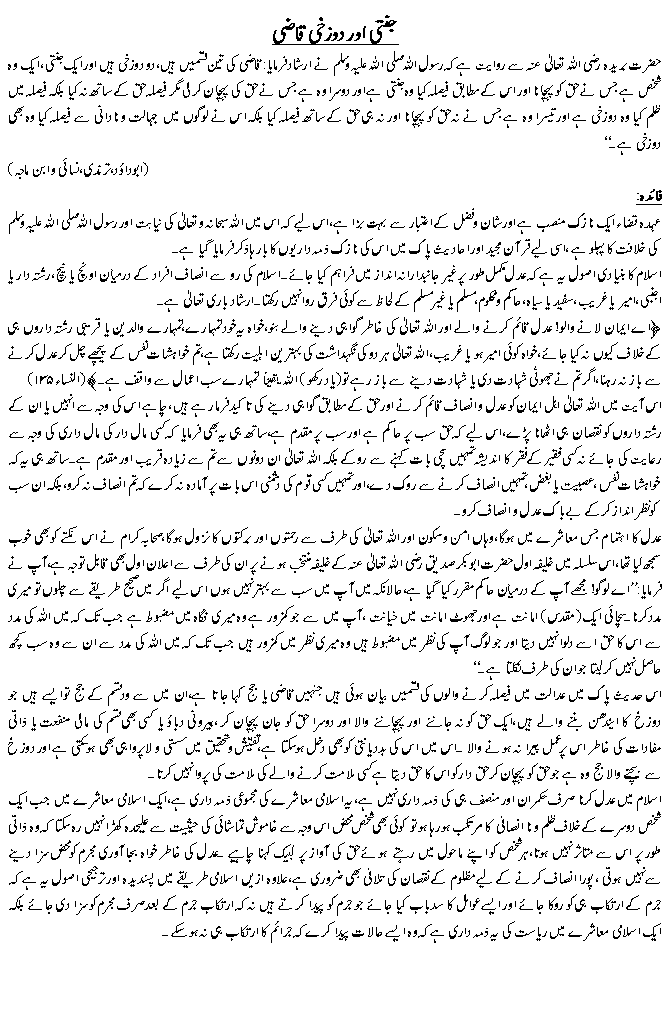
حضرت بریدہ رضی اللہ تعالیٰ عنہ سے روایت ہے کہ رسول اللہ صلی اللہ علیہ وسلم نے ارشاد فرمایا: قاضی کی تین قسمیں ہیں، دو دوزخی ہیں اور ایک جنتی، ایک وہ شخص ہے جس نے حق کو پہچانا اور اس کے مطابق فیصلہ کیا وہ جنتی ہے اور دوسرا وہ ہے جس نے حق کی پہچان کرلی مگر فیصلہ حق کے ساتھ نہ کیا بلکہ فیصلہ میں ظلم کیا وہ دوزخی ہے اور تیسرا وہ ہے جس نے نہ حق کو پہچانا اور نہ ہی حق کے ساتھ فیصلہ کیا بلکہ جہالت و نادانی میں لوگوں کا اس نے فیصلہ کیا وہ بھی دوزخی ہے۔'' (ابو داؤد و ترمذی، نسائی و ابن ماجہ)
عہدہ قضاء ایک نازک منصب ہے اور شان و فضل کے اعتبار سے بہت بڑا ہے، اس لیے کہ اس میں اللہ سبحانہ و تعالیٰ کی نیابت اور رسول اللہ صلی اللہ علیہ وسلم کی خلافت کا پہلو ہے، اسی لیے قرآن مجید اور احادیثِ پاک میں اس کی نازک ذمہ داریوں کا بار ہا ذکر فرمایا گیا ہے۔
اسلام کا بنیادی اصول یہ ہے کہ عدل مکمل طور پر غیر جانبدارانہ انداز میں فراہم کیا جائے۔ اسلام کی رو سے انصاف افراد کے درمیان اونچ یا نیچ، رشتہ دار یا اجنبی، امیر یا غریب، سفید یا سیاہ، حاکم و محکوم، مسلم یا غیر مسلم کے لحاظ سے کوئی فرق روا نہیں رکھتا۔ ارشاد باری تعالیٰ ہے۔
﴿اے ایمان لانے والو! عدل قائم کرنے والے اور اللہ تعالیٰ کی خاطر گواہی دینے والے بنو، خواہ یہ خود تمہارے، تمہارے والدین یا قریبی رشتہ داروں ہی کے خلاف کیوں نہ پڑ جائے، خواہ کوئی امیر ہو یا غریب، اللہ تعالیٰ ان کی نگہداشت کی بہترین اہلیت رکھتا ہے، تم خواہشاتِ نفس کے پیچھے چل کر عدل کرنے سے باز نہ رہنا، اگر تم نے جھوٹی شہادت دی یا شہادت دینے سے باز رہے تو (یاد رکھو) اللہ یقیناً تمہارے سب اعمال سے واقف ہے۔﴾ (النساء ۱۳۵)
اس آیت میں اللہ تعالیٰ اہل ایمان کو عدل و انصاف قائم کرنے اور حق کے مطابق گواہی دینے کی تاکید فرما رہے ہیں، چاہے اس کی وجہ سے انہیں یا ان کے رشتہ داروں کو نقصان ہی اٹھانا پڑے، اس لیے کہ حق سب پر حاکم ہے اور سب پر مقدم ہے، ساتھ ہی یہ بھی فرمایا کہ کسی مال دار کی مال داری کی وجہ سے رعایت کی جائے نہ کسی فقیر کے فقر کا اندیشہ تمہیں سچی بات کہنے سے روکے بلکہ اللہ تعالیٰ ان دونوں سے تم سے زیادہ قریب اور مقدم ہے۔ ساتھ ہی یہ کہ خواہشاتِ نفس، عصبیت یا بغض تمہیں انصاف کرنے سے روک دے، اور تمہیں کسی قوم کی دشمنی اس بات پر آمادہ نہ کرے کہ تم انصاف نہ کرو، بلکہ ان سب کو نظر انداز کرکے بے باک عدل و انصاف کرو۔
عدل کا اہتمام جس معاشرے میں ہوگا، وہاں امن و سکون اور اللہ تعالیٰ کی طرف سے رحمتوں اور برکتوں کا نزول ہوگا۔ صحابہ کرام نے اس نکتے کو بھی خوب سمجھ لیا تھا، اس سلسلہ میں خلیفہ اول حضرت ابو بکر صدیق رضی اللہ تعالیٰ عنہ کے خلیفہ منتخب ہونے پر ان کی طرف سے اعلان اول بھی قابلِ توجہ ہے۔ آپ نے فرمایا: ''اے لوگو! مجھے آپ کے درمیان حاکم مقرر کیا گیا ہے حالانکہ میں آپ میں سب سے بہتر نہیں ہوں اس لیے اگر میں صحیح طریقے پر چلوں تو میری مدد کرنا۔ سچائی ایک (مقدس) امانت ہے اور جھوٹ امانت میں خیانت ہے، آپ میں سے جو کمزور ہے وہ میری نگاہ میں مضبوط ہے جب تک کہ میں اللہ کی مدد سے اس کا حق اسے دلوا نہیں دیتا اور جو لوگ آپ کی نظر میں مضبوط ہیں وہ میری نظر میں کمزور ہیں جب تک کہ میں اللہ کی مدد سے ان سے وہ سب کچھ حاصل نہیں کرلیتا جو ان پر واجب ہے۔''
اس حدیث پاک میں عدالت میں فیصلہ کرنے والوں کی قسمیں بیان ہوئی ہیں جنہیں قاضی یا جج کہا جاتا ہے، ان میں سے دو قسم کے جج تو ایسے ہیں جو دوزخ کا ایندھن بنتے ہیں، ایک تو حق کو نہ جاننے اور پہچاننے والا اور دوسرا حق کو جان کر پہچان کر اس میں اس کی بددیانتی کو بھی دخل ہوسکتا ہے، تفتیش و تحقیق میں سستی و لاپروائی بھی ہوسکتی ہے، بیرونی دباؤ یا کسی بھی قسم کی مالی منفعت یا ذاتی مفادات کی خاطر اس پر عمل پیرا ہونے والا۔ اس کے نیچے والا جج وہ ہے جو حق کو پہچان کر حق دار کو اس کا حق دیتا ہے، وہ کسی ملامت کرنے والے کی ملامت کی پروا نہیں کرتا۔
اسلام میں عدل کرنا صرف حکمران اور منصف ہی کی ذمہ داری نہیں ہے، یہ اسلامی معاشرے کی مجموعی ذمہ داری ہے، ایک اسلامی معاشرے میں جب ایک شخص دوسرے کے خلاف ظلم و ناانصافی کا مرتکب ہو رہا ہو تو کوئی بھی شخص محض خاموش تماشائی کی حیثیت سے علیحدہ کھڑا رہ نہیں سکتا کہ ذاتی طور پر اس سے متاثر نہیں ہوتا، ہر شخص کو اپنے ماحول میں رہتے ہوے حق کی آواز کے لیے لبیک کہنا چاہیے، عدل کی خاطر بجا آوری مجرم کو محض سزا دینے سے نہیں ہوتی، پورا انصاف کرنے کے لیے مظلوم کے نقصان کی تلافی بھی ضروری ہے، علاوہ ازیں اسلامی طریقہ میں پسندیدہ اور ترجیحی اصول یہ ہے کہ جرم کے ارتکاب ہی کو روکا جائے اور ایسے عوامل کا سدِ باب کیا جائے جو جرم کو پیدا کرتے ہیں نہ کہ ارتکاب جرم کے بعد صرف مجرم کو سزا دی جائے بلکہ ایک اسلامی معاشرے میں ریاست کی یہ ذمہ داری ہے کہ وہ ایسے حالات پیدا کرے کہ جرائم کا ارتکاب ہی نہ ہو سکے۔
اسلام کا بنیادی اصول یہ ہے کہ عدل مکمل طور پر غیر جانبدارانہ انداز میں فراہم کیا جائے۔ اسلام کی رو سے انصاف افراد کے درمیان اونچ یا نیچ، رشتہ دار یا اجنبی، امیر یا غریب، سفید یا سیاہ، حاکم و محکوم، مسلم یا غیر مسلم کے لحاظ سے کوئی فرق روا نہیں رکھتا۔ ارشاد باری تعالیٰ ہے۔
﴿اے ایمان لانے والو! عدل قائم کرنے والے اور اللہ تعالیٰ کی خاطر گواہی دینے والے بنو، خواہ یہ خود تمہارے، تمہارے والدین یا قریبی رشتہ داروں ہی کے خلاف کیوں نہ پڑ جائے، خواہ کوئی امیر ہو یا غریب، اللہ تعالیٰ ان کی نگہداشت کی بہترین اہلیت رکھتا ہے، تم خواہشاتِ نفس کے پیچھے چل کر عدل کرنے سے باز نہ رہنا، اگر تم نے جھوٹی شہادت دی یا شہادت دینے سے باز رہے تو (یاد رکھو) اللہ یقیناً تمہارے سب اعمال سے واقف ہے۔﴾ (النساء ۱۳۵)
اس آیت میں اللہ تعالیٰ اہل ایمان کو عدل و انصاف قائم کرنے اور حق کے مطابق گواہی دینے کی تاکید فرما رہے ہیں، چاہے اس کی وجہ سے انہیں یا ان کے رشتہ داروں کو نقصان ہی اٹھانا پڑے، اس لیے کہ حق سب پر حاکم ہے اور سب پر مقدم ہے، ساتھ ہی یہ بھی فرمایا کہ کسی مال دار کی مال داری کی وجہ سے رعایت کی جائے نہ کسی فقیر کے فقر کا اندیشہ تمہیں سچی بات کہنے سے روکے بلکہ اللہ تعالیٰ ان دونوں سے تم سے زیادہ قریب اور مقدم ہے۔ ساتھ ہی یہ کہ خواہشاتِ نفس، عصبیت یا بغض تمہیں انصاف کرنے سے روک دے، اور تمہیں کسی قوم کی دشمنی اس بات پر آمادہ نہ کرے کہ تم انصاف نہ کرو، بلکہ ان سب کو نظر انداز کرکے بے باک عدل و انصاف کرو۔
عدل کا اہتمام جس معاشرے میں ہوگا، وہاں امن و سکون اور اللہ تعالیٰ کی طرف سے رحمتوں اور برکتوں کا نزول ہوگا۔ صحابہ کرام نے اس نکتے کو بھی خوب سمجھ لیا تھا، اس سلسلہ میں خلیفہ اول حضرت ابو بکر صدیق رضی اللہ تعالیٰ عنہ کے خلیفہ منتخب ہونے پر ان کی طرف سے اعلان اول بھی قابلِ توجہ ہے۔ آپ نے فرمایا: ''اے لوگو! مجھے آپ کے درمیان حاکم مقرر کیا گیا ہے حالانکہ میں آپ میں سب سے بہتر نہیں ہوں اس لیے اگر میں صحیح طریقے پر چلوں تو میری مدد کرنا۔ سچائی ایک (مقدس) امانت ہے اور جھوٹ امانت میں خیانت ہے، آپ میں سے جو کمزور ہے وہ میری نگاہ میں مضبوط ہے جب تک کہ میں اللہ کی مدد سے اس کا حق اسے دلوا نہیں دیتا اور جو لوگ آپ کی نظر میں مضبوط ہیں وہ میری نظر میں کمزور ہیں جب تک کہ میں اللہ کی مدد سے ان سے وہ سب کچھ حاصل نہیں کرلیتا جو ان پر واجب ہے۔''
اس حدیث پاک میں عدالت میں فیصلہ کرنے والوں کی قسمیں بیان ہوئی ہیں جنہیں قاضی یا جج کہا جاتا ہے، ان میں سے دو قسم کے جج تو ایسے ہیں جو دوزخ کا ایندھن بنتے ہیں، ایک تو حق کو نہ جاننے اور پہچاننے والا اور دوسرا حق کو جان کر پہچان کر اس میں اس کی بددیانتی کو بھی دخل ہوسکتا ہے، تفتیش و تحقیق میں سستی و لاپروائی بھی ہوسکتی ہے، بیرونی دباؤ یا کسی بھی قسم کی مالی منفعت یا ذاتی مفادات کی خاطر اس پر عمل پیرا ہونے والا۔ اس کے نیچے والا جج وہ ہے جو حق کو پہچان کر حق دار کو اس کا حق دیتا ہے، وہ کسی ملامت کرنے والے کی ملامت کی پروا نہیں کرتا۔
اسلام میں عدل کرنا صرف حکمران اور منصف ہی کی ذمہ داری نہیں ہے، یہ اسلامی معاشرے کی مجموعی ذمہ داری ہے، ایک اسلامی معاشرے میں جب ایک شخص دوسرے کے خلاف ظلم و ناانصافی کا مرتکب ہو رہا ہو تو کوئی بھی شخص محض خاموش تماشائی کی حیثیت سے علیحدہ کھڑا رہ نہیں سکتا کہ ذاتی طور پر اس سے متاثر نہیں ہوتا، ہر شخص کو اپنے ماحول میں رہتے ہوے حق کی آواز کے لیے لبیک کہنا چاہیے، عدل کی خاطر بجا آوری مجرم کو محض سزا دینے سے نہیں ہوتی، پورا انصاف کرنے کے لیے مظلوم کے نقصان کی تلافی بھی ضروری ہے، علاوہ ازیں اسلامی طریقہ میں پسندیدہ اور ترجیحی اصول یہ ہے کہ جرم کے ارتکاب ہی کو روکا جائے اور ایسے عوامل کا سدِ باب کیا جائے جو جرم کو پیدا کرتے ہیں نہ کہ ارتکاب جرم کے بعد صرف مجرم کو سزا دی جائے بلکہ ایک اسلامی معاشرے میں ریاست کی یہ ذمہ داری ہے کہ وہ ایسے حالات پیدا کرے کہ جرائم کا ارتکاب ہی نہ ہو سکے۔
English translation
It is narrated from Hazrat Buraydah (may Allah be pleased with him) that the Messenger of Allah (peace be upon him) said: "Judges are of three kinds: two are of the Fire and one is of Paradise. A man who recognised the truth and judged accordingly is of Paradise; a second who recognised the truth but did not judge by it and instead did injustice in his judgement is of the Fire; and a third who neither recognised the truth nor judged by it but judged among the people in ignorance and folly — he too is of the Fire."
The office of judge (qada) is a delicate post and, in terms of rank and merit, very great, because it involves acting as a deputy of Allah, the Glorified and Exalted, and a vicegerency of the Messenger of Allah (peace be upon him). For this reason the Holy Qur'an and the noble ahadith have repeatedly mentioned its delicate responsibilities.
A fundamental principle of Islam is that justice be delivered in a completely impartial manner. In Islam's view, justice makes no distinction between people on the basis of high or low, relative or stranger, rich or poor, white or black, ruler or ruled, Muslim or non-Muslim. Allah, the Exalted, says:
﴿O you who believe! Be upholders of justice and witnesses for the sake of Allah, even if it be against yourselves, your parents or your near relatives, whether one be rich or poor — Allah is best able to protect them both. So do not follow the desires of the self, turning away from justice; and if you distort your testimony or refuse to give it, then (know that) Allah is certainly aware of all that you do.﴾ (An-Nisa 135)
In this verse Allah urges the believers to establish justice and equity and to bear witness in accordance with the truth, even if it brings loss to themselves or their relatives — because the truth is sovereign over all and takes precedence over all. He also said that no consideration should be shown to a rich man because of his wealth, nor should fear of a poor man's poverty prevent you from speaking the truth; rather Allah is nearer and prior to both. Likewise, neither the desires of the self, nor partisanship, nor malice should prevent you from doing justice, and let not enmity towards any people incite you to injustice; rather, setting all of this aside, do fearless justice.
The society in which justice is established will have peace and tranquillity and the descent of Allah's mercies and blessings. The Companions understood this point well; in this connection, the first address of the first Caliph, Hazrat Abu Bakr Siddiq (may Allah be pleased with him), upon being chosen Caliph, is also worthy of attention. He said: "O people! I have been appointed as ruler over you, though I am not the best among you; so if I follow the right path, help me. Truthfulness is a (sacred) trust and falsehood is a betrayal of trust. The weak among you is strong in my sight until I secure his right for him, with Allah's help; and those who are strong in your sight are weak in my sight until I take from them, with Allah's help, all that is due from them."
This blessed hadith describes the kinds of those who deliver judgements in court, who are called judges. Two of these kinds become fuel for the Fire: one who neither knows nor recognises the truth, and another who knows and recognises the truth but in whose judgement dishonesty may play a part, or negligence in investigation and inquiry, or who acts under external pressure or for the sake of some financial benefit or personal interest. Below these is the judge who recognises the truth and gives the rightful person his due, caring nothing for the blame of any blamer.
In Islam, doing justice is not the responsibility of the ruler and judge alone; it is the collective responsibility of the whole Islamic society. In an Islamic society, when one person is committing oppression and injustice against another, no one may stand aside as a mere silent onlooker on the grounds that he is not personally affected. Every person, living within his environment, should answer the call of truth. For the sake of justice, merely punishing a criminal is not enough; to do full justice it is also necessary to make good the loss of the wronged party. Moreover, the preferred and priority principle in the Islamic method is to prevent the very commission of crime and to block the factors that produce crime, rather than merely punishing the criminal after the crime is committed. Indeed, it is the responsibility of the state in an Islamic society to create such conditions that crimes cannot be committed at all.
The office of judge (qada) is a delicate post and, in terms of rank and merit, very great, because it involves acting as a deputy of Allah, the Glorified and Exalted, and a vicegerency of the Messenger of Allah (peace be upon him). For this reason the Holy Qur'an and the noble ahadith have repeatedly mentioned its delicate responsibilities.
A fundamental principle of Islam is that justice be delivered in a completely impartial manner. In Islam's view, justice makes no distinction between people on the basis of high or low, relative or stranger, rich or poor, white or black, ruler or ruled, Muslim or non-Muslim. Allah, the Exalted, says:
﴿O you who believe! Be upholders of justice and witnesses for the sake of Allah, even if it be against yourselves, your parents or your near relatives, whether one be rich or poor — Allah is best able to protect them both. So do not follow the desires of the self, turning away from justice; and if you distort your testimony or refuse to give it, then (know that) Allah is certainly aware of all that you do.﴾ (An-Nisa 135)
In this verse Allah urges the believers to establish justice and equity and to bear witness in accordance with the truth, even if it brings loss to themselves or their relatives — because the truth is sovereign over all and takes precedence over all. He also said that no consideration should be shown to a rich man because of his wealth, nor should fear of a poor man's poverty prevent you from speaking the truth; rather Allah is nearer and prior to both. Likewise, neither the desires of the self, nor partisanship, nor malice should prevent you from doing justice, and let not enmity towards any people incite you to injustice; rather, setting all of this aside, do fearless justice.
The society in which justice is established will have peace and tranquillity and the descent of Allah's mercies and blessings. The Companions understood this point well; in this connection, the first address of the first Caliph, Hazrat Abu Bakr Siddiq (may Allah be pleased with him), upon being chosen Caliph, is also worthy of attention. He said: "O people! I have been appointed as ruler over you, though I am not the best among you; so if I follow the right path, help me. Truthfulness is a (sacred) trust and falsehood is a betrayal of trust. The weak among you is strong in my sight until I secure his right for him, with Allah's help; and those who are strong in your sight are weak in my sight until I take from them, with Allah's help, all that is due from them."
This blessed hadith describes the kinds of those who deliver judgements in court, who are called judges. Two of these kinds become fuel for the Fire: one who neither knows nor recognises the truth, and another who knows and recognises the truth but in whose judgement dishonesty may play a part, or negligence in investigation and inquiry, or who acts under external pressure or for the sake of some financial benefit or personal interest. Below these is the judge who recognises the truth and gives the rightful person his due, caring nothing for the blame of any blamer.
In Islam, doing justice is not the responsibility of the ruler and judge alone; it is the collective responsibility of the whole Islamic society. In an Islamic society, when one person is committing oppression and injustice against another, no one may stand aside as a mere silent onlooker on the grounds that he is not personally affected. Every person, living within his environment, should answer the call of truth. For the sake of justice, merely punishing a criminal is not enough; to do full justice it is also necessary to make good the loss of the wronged party. Moreover, the preferred and priority principle in the Islamic method is to prevent the very commission of crime and to block the factors that produce crime, rather than merely punishing the criminal after the crime is committed. Indeed, it is the responsibility of the state in an Islamic society to create such conditions that crimes cannot be committed at all.
View original image
#Group18
#Quran
#Parents
#Paradise
#Hell
#Remembrance
#Prophet
#Faith
#Truthfulness
#Lying
#Poor
#Martyrdom
#Justice
#Mercy
https://hadith.ahadees.com/hadees/1809 — Ahadees.com