

حکومت کی حرص اور اس کا انجام
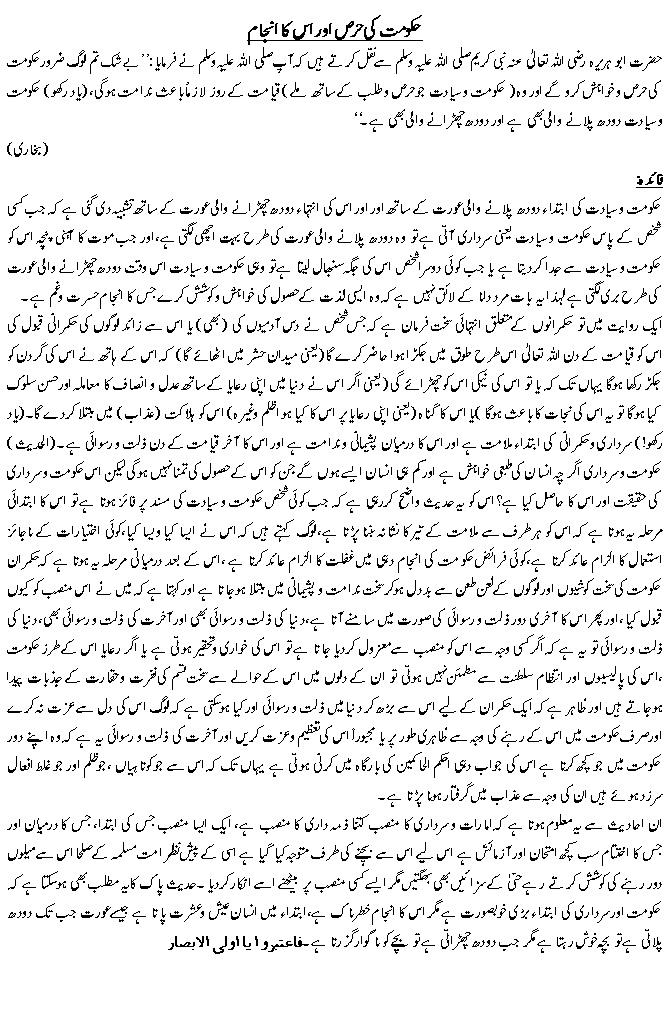
حضرت ابو ہریرہ رضی اللہ تعالیٰ عنہ نبی کریم صلی اللہ علیہ وسلم سے نقل کرتے ہیں کہ آپ صلی اللہ علیہ وسلم نے فرمایا:'' بے شک تم لوگ ضرور حکومت کی حرص و خواہش کرو گے اور وہ (حکومت و سیاست جو حرص و طلب کے ساتھ ملے) قیامت کے روز لازماً باعث ندامت ہو گی، (یاد رکھو) حکومت و سیاست دودھ پلانے والی بھی ہے اور دودھ چھڑانے والی بھی ہے۔'' (بخاری)
حکومت و سیاست کی ابتداء دودھ پلانے والی عورت کے ساتھ اور اس کی انتہاء دودھ چھڑانے والی عورت کے ساتھ تشبیہ دی گئی ہے کہ جب کسی شخص کے پاس حکومت و سیاست یعنی سرداری آتی ہے تو وہ دودھ پلانے والی عورت کی طرح بہت اچھی لگتی ہے، اور جب موت کا آہنی پنجہ اس کو حکومت و سیاست سے جدا کر دیتا ہے یا جب کوئی دوسرا شخص اس کی جگہ سنبھال لیتا ہے تو وہی حکومت و سیاست اس وقت دودھ چھڑانے والی عورت کی طرح بری لگتی ہے، لہٰذا یہ بات مردِ دانا کے لائق نہیں ہے کہ وہ ایسی لذت کے حصول کی خواہش و کوشش کرے جس کا انجام حسرت و غم ہے۔
ایک روایت میں تو حکمرانوں کے متعلق انتہائی سخت فرمان ہے کہ جس شخص نے دس آدمیوں کی (بھی) یا اس سے زائد لوگوں کی حکمرانی قبول کی اس کو قیامت کے دن اللہ تعالیٰ اس طرح طوق میں جکڑا ہوا حاضر کرے گا (یعنی میدان حشر میں اٹھائے گا) کہ اس کے ہاتھ نے اس کی گردن کو جکڑ رکھا ہوگا یہاں تک کہ یا تو اس کی نیکی اس کو چھڑائے گی (یعنی اگر اس نے اپنی رعایا کے ساتھ دنیا میں عدل و انصاف کا معاملہ اور حسن سلوک کیا ہوگا تو یہ اس کی نجات کا باعث ہوگا) یا اس کا گناہ (یعنی اپنی رعایا پر اس کا کیا ہوا ظلم وغیرہ) اس کو ہلاکت (عذاب) میں مبتلا کر دے گا۔ (یاد رکھو!) سرداری و حکمرانی کی ابتداء ملامت ہے اور اس کا درمیان پشیمانی و ندامت ہے اور اس کا آخر قیامت کے دن ذلت و رسوائی ہے۔ (الحدیث)
حکومت و سرداری اگر چہ انسان کی طبعی خواہش ہے اور کم ہی انسان ایسے ہوں گے جن کو اس کے حصول کی تمنا نہیں ہوگی لیکن اس حکومت و سرداری کی حقیقت اور اس کا حاصل کیا ہے؟ اس کو یہ حدیث واضح کر رہی ہے کہ جب کوئی شخص حکومت و سیاست کی مسند پر فائز ہوتا ہے تو اس کا ابتدائی مرحلہ یہ ہوتا ہے کہ اس کو ہر طرف سے ملامت کے تیر کا نشانہ بننا پڑتا ہے، لوگ کہتے ہیں کہ اس نے ایسا کیا ویسا کیا، کوئی اختیارات کے ناجائز استعمال کا الزام عائد کرتا ہے، کوئی فرائض حکومت کی انجام دہی میں غفلت کا الزام عائد کرتا ہے، اس کے بعد درمیانی مرحلہ یہ ہوتا ہے کہ حکمران ان حکومت کی سخت کوششوں اور لوگوں کے لعن طعن سے بد دل ہو کر سخت ندامت و پشیمانی میں مبتلا ہو جاتا ہے اور کہتا ہے کہ میں نے اس منصب کو کیوں قبول کیا، اور پھر اس کا آخری دور ذلت و رسوائی کی صورت میں سامنے آتا ہے، دنیا کی ذلت و رسوائی بھی اور آخرت کی ذلت و رسوائی بھی، دنیا کی ذلت و رسوائی تو یہ ہے کہ اگر کسی وجہ سے اس کو منصب سے معزول کر دیا جاتا ہے تو اس کی خواری و تحقیر ہوتی ہے یا اگر رعایا اس کے طرز حکومت اور انتظام سلطنت سے مطمئن نہیں ہوتی تو ان کے دلوں میں اس کے خلاف سخت قسم کی نفرت و حقارت کے جذبات پیدا ہو جاتے ہیں اور ظاہر ہے کہ ایک حکمران کے لیے اس سے بڑھ کر دنیا میں ذلت و رسوائی اور کیا ہو سکتی ہے کہ لوگ اس کے دل سے عزت نہ کرے اور صرف حکومت میں اس کے رہنے کی وجہ سے ظاہری طور پر یا مجبوراً اس کی تعظیم و عزت کریں اور آخرت کی ذلت و رسوائی یہ ہے کہ وہ اپنے دور حکومت میں جو کچھ کرتا ہے اس کی جواب دہی احکم الحاکمین کی بارگاہ میں کرنی ہوتی ہے، یہاں تک کہ اس سے جو کوتاہیاں، جو ظلم اور جو غلط افعال سرزد ہوئے ہیں ان کی وجہ سے عذاب میں گرفتار ہونا پڑتا ہے۔
ان احادیث سے یہ معلوم ہوتا ہے کہ امارت و سرداری کا منصب کتنا ذمہ داری کا منصب ہے، ایک ایسا منصب جس کی ابتداء، جس کا درمیان اور جس کا انجام سب کچھ امتحان اور آزمائش ہے، اس لیے اس سے بچنے کی طرف متوجہ کیا گیا ہے، اسی کے پیش نظر امت مسلمہ کے صلحاء اس سے میلوں دور رہنے کی کوشش کرتے رہے، حتیٰ کہ سزائیں بھی بھگتیں مگر ایسے کسی منصب پر بیٹھنے سے انکار کر دیا۔ حدیث پاک کا یہ مطلب بھی ہو سکتا ہے کہ حکومت اور سرداری کی ابتداء بڑی خوبصورت ہے مگر اس کا انجام خطرناک ہے، ابتداء میں انسان عیش و عشرت پاتا ہے، جیسے عورت جب تک دودھ پلاتی ہے تو بچہ خوش رہتا ہے مگر جب دودھ چھڑاتی ہے تو بچے کو ناگوار گزرتا ہے۔ فاعتبروا یا اولی الابصار
ایک روایت میں تو حکمرانوں کے متعلق انتہائی سخت فرمان ہے کہ جس شخص نے دس آدمیوں کی (بھی) یا اس سے زائد لوگوں کی حکمرانی قبول کی اس کو قیامت کے دن اللہ تعالیٰ اس طرح طوق میں جکڑا ہوا حاضر کرے گا (یعنی میدان حشر میں اٹھائے گا) کہ اس کے ہاتھ نے اس کی گردن کو جکڑ رکھا ہوگا یہاں تک کہ یا تو اس کی نیکی اس کو چھڑائے گی (یعنی اگر اس نے اپنی رعایا کے ساتھ دنیا میں عدل و انصاف کا معاملہ اور حسن سلوک کیا ہوگا تو یہ اس کی نجات کا باعث ہوگا) یا اس کا گناہ (یعنی اپنی رعایا پر اس کا کیا ہوا ظلم وغیرہ) اس کو ہلاکت (عذاب) میں مبتلا کر دے گا۔ (یاد رکھو!) سرداری و حکمرانی کی ابتداء ملامت ہے اور اس کا درمیان پشیمانی و ندامت ہے اور اس کا آخر قیامت کے دن ذلت و رسوائی ہے۔ (الحدیث)
حکومت و سرداری اگر چہ انسان کی طبعی خواہش ہے اور کم ہی انسان ایسے ہوں گے جن کو اس کے حصول کی تمنا نہیں ہوگی لیکن اس حکومت و سرداری کی حقیقت اور اس کا حاصل کیا ہے؟ اس کو یہ حدیث واضح کر رہی ہے کہ جب کوئی شخص حکومت و سیاست کی مسند پر فائز ہوتا ہے تو اس کا ابتدائی مرحلہ یہ ہوتا ہے کہ اس کو ہر طرف سے ملامت کے تیر کا نشانہ بننا پڑتا ہے، لوگ کہتے ہیں کہ اس نے ایسا کیا ویسا کیا، کوئی اختیارات کے ناجائز استعمال کا الزام عائد کرتا ہے، کوئی فرائض حکومت کی انجام دہی میں غفلت کا الزام عائد کرتا ہے، اس کے بعد درمیانی مرحلہ یہ ہوتا ہے کہ حکمران ان حکومت کی سخت کوششوں اور لوگوں کے لعن طعن سے بد دل ہو کر سخت ندامت و پشیمانی میں مبتلا ہو جاتا ہے اور کہتا ہے کہ میں نے اس منصب کو کیوں قبول کیا، اور پھر اس کا آخری دور ذلت و رسوائی کی صورت میں سامنے آتا ہے، دنیا کی ذلت و رسوائی بھی اور آخرت کی ذلت و رسوائی بھی، دنیا کی ذلت و رسوائی تو یہ ہے کہ اگر کسی وجہ سے اس کو منصب سے معزول کر دیا جاتا ہے تو اس کی خواری و تحقیر ہوتی ہے یا اگر رعایا اس کے طرز حکومت اور انتظام سلطنت سے مطمئن نہیں ہوتی تو ان کے دلوں میں اس کے خلاف سخت قسم کی نفرت و حقارت کے جذبات پیدا ہو جاتے ہیں اور ظاہر ہے کہ ایک حکمران کے لیے اس سے بڑھ کر دنیا میں ذلت و رسوائی اور کیا ہو سکتی ہے کہ لوگ اس کے دل سے عزت نہ کرے اور صرف حکومت میں اس کے رہنے کی وجہ سے ظاہری طور پر یا مجبوراً اس کی تعظیم و عزت کریں اور آخرت کی ذلت و رسوائی یہ ہے کہ وہ اپنے دور حکومت میں جو کچھ کرتا ہے اس کی جواب دہی احکم الحاکمین کی بارگاہ میں کرنی ہوتی ہے، یہاں تک کہ اس سے جو کوتاہیاں، جو ظلم اور جو غلط افعال سرزد ہوئے ہیں ان کی وجہ سے عذاب میں گرفتار ہونا پڑتا ہے۔
ان احادیث سے یہ معلوم ہوتا ہے کہ امارت و سرداری کا منصب کتنا ذمہ داری کا منصب ہے، ایک ایسا منصب جس کی ابتداء، جس کا درمیان اور جس کا انجام سب کچھ امتحان اور آزمائش ہے، اس لیے اس سے بچنے کی طرف متوجہ کیا گیا ہے، اسی کے پیش نظر امت مسلمہ کے صلحاء اس سے میلوں دور رہنے کی کوشش کرتے رہے، حتیٰ کہ سزائیں بھی بھگتیں مگر ایسے کسی منصب پر بیٹھنے سے انکار کر دیا۔ حدیث پاک کا یہ مطلب بھی ہو سکتا ہے کہ حکومت اور سرداری کی ابتداء بڑی خوبصورت ہے مگر اس کا انجام خطرناک ہے، ابتداء میں انسان عیش و عشرت پاتا ہے، جیسے عورت جب تک دودھ پلاتی ہے تو بچہ خوش رہتا ہے مگر جب دودھ چھڑاتی ہے تو بچے کو ناگوار گزرتا ہے۔ فاعتبروا یا اولی الابصار
English translation
Hazrat Abu Hurayrah (may Allah be pleased with him) relates from the Noble Prophet (peace and blessings be upon him) that he (peace and blessings be upon him) said: "Indeed you people will surely covet and desire rule, and that (rule and authority which is obtained through greed and craving) will certainly be a cause of regret on the Day of Judgement. (Remember) rule and authority is both a suckler and a weaner."
The beginning of rule and authority has been likened to a woman who suckles, and its end to a woman who weans: when rule and authority, that is, leadership, comes to a person, it seems very pleasant to him, like the suckling woman; and when the iron claw of death separates him from rule and authority, or when some other person takes over his place, then that same rule and authority at that time seems bad to him, like the weaning woman. Therefore, it does not befit a wise man to desire and strive to attain such a pleasure whose end is grief and sorrow. In one narration there is an extremely stern pronouncement concerning rulers: that whoever accepts the rule of even ten men or more, Allah will bring him on the Day of Judgement bound in a yoke in such a way (that is, He will raise him in the field of gathering) that his own hand will be shackling his neck, until either his good deeds free him (that is, if he dealt with his subjects in the world with justice, equity, and good conduct, this will be the cause of his salvation) or his sin (that is, the injustice and the like that he inflicted upon his subjects) casts him into destruction (punishment). (Remember!) The beginning of leadership and rule is blame, its middle is remorse and regret, and its end, on the Day of Judgement, is disgrace and humiliation. (The Hadith) Although rule and leadership is a natural desire of man, and few are the people who will not crave to attain it, yet what is the reality of this rule and leadership, and what does it amount to? This hadith makes it clear: when a person is placed upon the seat of rule and authority, his initial stage is that he has to become the target of the arrows of blame from every side; people say that he did this and that, one accuses him of misusing his powers, another accuses him of negligence in discharging the duties of government. After this, the middle stage is that the ruler, disheartened by the hard struggles of governance and the reproach and taunts of the people, falls into severe remorse and regret and says, "Why did I accept this office?" And then his final period comes forth in the form of disgrace and humiliation—both the disgrace and humiliation of this world and the disgrace and humiliation of the Hereafter. The disgrace and humiliation of this world is that if, for some reason, he is removed from office, he is degraded and belittled; or if the subjects are not satisfied with his manner of governance and administration of the state, feelings of severe hatred and contempt against him arise in their hearts. And it is obvious that for a ruler what greater disgrace and humiliation can there be in this world than that people do not honour him from their hearts and only outwardly, or under compulsion, show him reverence and respect because of his remaining in power. And the disgrace and humiliation of the Hereafter is that for whatever he does during his period of rule he will have to answer in the court of the Most Just of Judges, so much so that on account of the shortcomings, the injustices, and the wrong deeds committed by him, he will have to be seized in punishment. From these ahadith it becomes clear how great a responsibility the office of leadership and rule is—an office whose beginning, whose middle, and whose end are all trial and testing; for this reason attention has been drawn towards avoiding it. With this in view, the righteous of the Muslim Ummah kept trying to remain miles away from it, and even endured punishments but refused to sit on any such office. This blessed hadith may also mean that the beginning of rule and leadership is very beautiful but its end is dangerous; in the beginning a person finds comfort and luxury, just as, as long as a woman suckles, the child remains happy, but when she weans it, the child finds it unpleasant. So take heed, O you who have insight.
The beginning of rule and authority has been likened to a woman who suckles, and its end to a woman who weans: when rule and authority, that is, leadership, comes to a person, it seems very pleasant to him, like the suckling woman; and when the iron claw of death separates him from rule and authority, or when some other person takes over his place, then that same rule and authority at that time seems bad to him, like the weaning woman. Therefore, it does not befit a wise man to desire and strive to attain such a pleasure whose end is grief and sorrow. In one narration there is an extremely stern pronouncement concerning rulers: that whoever accepts the rule of even ten men or more, Allah will bring him on the Day of Judgement bound in a yoke in such a way (that is, He will raise him in the field of gathering) that his own hand will be shackling his neck, until either his good deeds free him (that is, if he dealt with his subjects in the world with justice, equity, and good conduct, this will be the cause of his salvation) or his sin (that is, the injustice and the like that he inflicted upon his subjects) casts him into destruction (punishment). (Remember!) The beginning of leadership and rule is blame, its middle is remorse and regret, and its end, on the Day of Judgement, is disgrace and humiliation. (The Hadith) Although rule and leadership is a natural desire of man, and few are the people who will not crave to attain it, yet what is the reality of this rule and leadership, and what does it amount to? This hadith makes it clear: when a person is placed upon the seat of rule and authority, his initial stage is that he has to become the target of the arrows of blame from every side; people say that he did this and that, one accuses him of misusing his powers, another accuses him of negligence in discharging the duties of government. After this, the middle stage is that the ruler, disheartened by the hard struggles of governance and the reproach and taunts of the people, falls into severe remorse and regret and says, "Why did I accept this office?" And then his final period comes forth in the form of disgrace and humiliation—both the disgrace and humiliation of this world and the disgrace and humiliation of the Hereafter. The disgrace and humiliation of this world is that if, for some reason, he is removed from office, he is degraded and belittled; or if the subjects are not satisfied with his manner of governance and administration of the state, feelings of severe hatred and contempt against him arise in their hearts. And it is obvious that for a ruler what greater disgrace and humiliation can there be in this world than that people do not honour him from their hearts and only outwardly, or under compulsion, show him reverence and respect because of his remaining in power. And the disgrace and humiliation of the Hereafter is that for whatever he does during his period of rule he will have to answer in the court of the Most Just of Judges, so much so that on account of the shortcomings, the injustices, and the wrong deeds committed by him, he will have to be seized in punishment. From these ahadith it becomes clear how great a responsibility the office of leadership and rule is—an office whose beginning, whose middle, and whose end are all trial and testing; for this reason attention has been drawn towards avoiding it. With this in view, the righteous of the Muslim Ummah kept trying to remain miles away from it, and even endured punishments but refused to sit on any such office. This blessed hadith may also mean that the beginning of rule and leadership is very beautiful but its end is dangerous; in the beginning a person finds comfort and luxury, just as, as long as a woman suckles, the child remains happy, but when she weans it, the child finds it unpleasant. So take heed, O you who have insight.
View original image
https://hadith.ahadees.com/hadees/2308 — Ahadees.com