

دنیا میں مسافر اور اجنبی
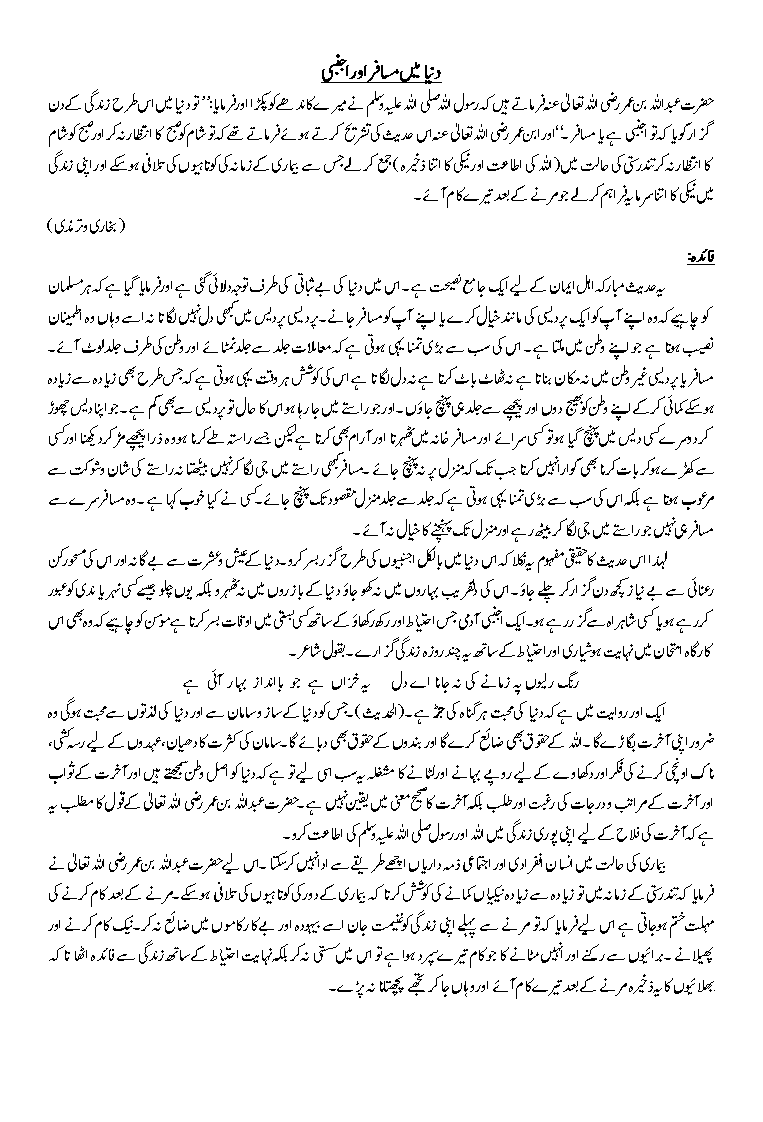
حضرت عبداللہ بن عمر رضی اللہ تعالیٰ عنہ فرماتے ہیں کہ رسول اللہ صلی اللہ علیہ وسلم نے میرے کاندھے کو پکڑا اور فرمایا: ''تو دنیا میں اس طرح زندگی کے دن گزار کہ گویا کہ تو اجنبی ہے یا مسافر۔'' اور ابن عمر رضی اللہ تعالیٰ عنہ اس حدیث کی تشریح کرتے ہوئے فرماتے تھے کہ تو شام کو صبح کا انتظار نہ کر اور صبح کو شام کا انتظار نہ کر تندرستی کی حالت میں (اللہ کی اطاعت اور نیکی کا اتنا ذخیرہ) جمع کر لے جس سے بیماری کے زمانہ کی کوتاہیوں کی تلافی ہو سکے اور اپنی زندگی میں نیکی کا اتنا سرمایہ فراہم کر لے جو مرنے کے بعد تیرے کام آئے۔ (بخاری و ترمذی)
یہ حدیث مبارکہ اہل ایمان کے لیے ایک جامع نصیحت ہے۔ اس میں دنیا کی بے ثباتی کی طرف توجہ دلائی گئی ہے اور فرمایا گیا ہے کہ ہر مسلمان کو چاہیے کہ وہ اپنے آپ کو ایک پردیسی کی مانند خیال کرے یا اپنے آپ کو مسافر جانے۔ پردیسی پردیس میں کبھی دل نہیں لگاتا نہ اسے وہاں وہ اطمینان نصیب ہوتا ہے جو اپنے وطن میں ملتا ہے۔ اس کی سب سے بڑی تمنا یہی ہوتی ہے کہ معاملات جلد سے جلد نمٹائے اور وطن کی طرف جلد لوٹ آئے۔
مسافر یا پردیسی غیر وطن میں نہ مکان بناتا ہے نہ ٹھاٹھ باٹ کرتا ہے نہ دل لگاتا ہے اس کی کوشش ہر وقت یہی ہوتی ہے کہ جس طرح بھی زیادہ سے زیادہ ہو سکے کمائی کر کے اپنے وطن کو بھیج دوں اور پیچھے سے جلد ہی پہنچ جاؤں۔ اور جو راستے میں جا رہا ہو اس کا حال تو پردیسی سے بھی کم ہے۔ جو اپنا دیس چھوڑ کر دوسرے کسی دیس میں پہنچ گیا ہو تو کسی سرائے اور مسافر خانہ میں ٹھہرنا اور آرام بھی کرنا ہے لیکن جسے راستہ طے کرنا ہو وہ ذرا پیچھے مڑ کر دیکھنا اور کسی سے کھڑے ہو کر بات کرنا بھی گوارا نہیں کرتا جب تک کہ منزل پر نہ پہنچ جائے۔ مسافر کبھی راستے میں جی لگا کر نہیں بیٹھتا نہ راستے کی شان و شوکت سے مرعوب ہوتا ہے بلکہ اس کی سب سے بڑی تمنا یہی ہوتی ہے کہ جلد سے جلد منزل مقصود تک پہنچ جائے۔ کسی نے کیا خوب کہا ہے۔ وہ مسافر مسافر ہی نہیں جو راستے میں جی لگا کر بیٹھ رہے اور منزل تک پہنچنے کا خیال نہ آئے۔
لہٰذا اس حدیث کا حقیقی مفہوم یہ نکلا کہ اس دنیا میں بالکل اجنبیوں کی طرح گزر بسر کرو۔ دنیا کے عیش و عشرت سے بے گانہ اور اس کی مسحور کن رعنائی سے بے نیاز کچھ دن گزار کر چلے جاؤ۔ اس کی دلفریب بہاروں میں نہ کھو جاؤ دنیا کے بازاروں میں نہ ٹھہرو بلکہ یوں چلو جیسے کسی نہر یا ندی کو عبور کر رہے ہو یا کسی شاہراہ سے گزر رہے ہو۔ ایک اجنبی آدمی جس احتیاط اور رکھ رکھاؤ کے ساتھ کسی بستی میں اوقات بسر کرنا ہے مومن کو چاہیے کہ وہ بھی اس کارگاہِ امتحان میں نہایت ہوشیاری اور احتیاط کے ساتھ یہ چند روزہ زندگی گزارے۔ بقول شاعر۔
رنگ ریلیوں پہ زمانے کی نہ جانا اے دل یہ خزاں ہے جو بہ اندازِ بہار آئی ہے
ایک اور روایت میں ہے کہ دنیا کی محبت ہر گناہ کی جڑ ہے۔ (الحدیث)۔ جس کو دنیا کے ساز و سامان سے اور دنیا کی لذتوں سے محبت ہوگی وہ ضرور اپنی آخرت بگاڑے گا۔ اللہ کے حقوق بھی ضائع کرے گا اور بندوں کے حقوق بھی دبائے گا۔ سامان کی کثرت کا دھیان، عہدوں کے لیے رسہ کشی، ناک اونچی کرنے کی فکر اور دکھاوے کے لیے روپے بہانے اور لٹانے کا مشغلہ یہ سب اسی لیے تو ہے کہ دنیا کو اصل وطن سمجھتے ہیں اور آخرت کے ثواب اور آخرت کے مراتب و درجات کی رغبت اور طلب بلکہ آخرت کا صحیح معنی میں یقین نہیں ہے۔ حضرت عبداللہ بن عمر رضی اللہ تعالیٰ کے قول کا مطلب یہ ہے کہ آخرت کی فلاح کے لیے اپنی پوری زندگی میں اللہ اور رسول صلی اللہ علیہ وسلم کی اطاعت کرو۔
بیماری کی حالت میں انسان انفرادی اور اجتماعی ذمہ داریاں اچھے طریقے سے ادا نہیں کر سکتا۔ اس لیے حضرت عبداللہ بن عمر رضی اللہ تعالیٰ نے فرمایا کہ تندرستی کے زمانہ میں تو زیادہ سے زیادہ نیکیاں کمانے کی کوشش کرنا کہ بیماری کے دور کی کوتاہیوں کی تلافی ہو سکے۔ مرنے کے بعد کام کرنے کی مہلت ختم ہو جاتی ہے اس لیے فرمایا کہ تو مرنے سے پہلے اپنی زندگی کو غنیمت جان اسے بیہودہ اور بے کار کاموں میں ضائع نہ کر۔ نیک کام کرنے اور پھیلانے۔ برائیوں سے رکنے اور انہیں مٹانے کا جو کام تیرے سپرد ہوا ہے تو اس میں سستی نہ کر بلکہ نہایت احتیاط کے ساتھ زندگی سے فائدہ اٹھا تا کہ بھلائیوں کا یہ ذخیرہ مرنے کے بعد تیرے کام آئے اور وہاں جا کر تجھے پچھتانا نہ پڑے۔
مسافر یا پردیسی غیر وطن میں نہ مکان بناتا ہے نہ ٹھاٹھ باٹ کرتا ہے نہ دل لگاتا ہے اس کی کوشش ہر وقت یہی ہوتی ہے کہ جس طرح بھی زیادہ سے زیادہ ہو سکے کمائی کر کے اپنے وطن کو بھیج دوں اور پیچھے سے جلد ہی پہنچ جاؤں۔ اور جو راستے میں جا رہا ہو اس کا حال تو پردیسی سے بھی کم ہے۔ جو اپنا دیس چھوڑ کر دوسرے کسی دیس میں پہنچ گیا ہو تو کسی سرائے اور مسافر خانہ میں ٹھہرنا اور آرام بھی کرنا ہے لیکن جسے راستہ طے کرنا ہو وہ ذرا پیچھے مڑ کر دیکھنا اور کسی سے کھڑے ہو کر بات کرنا بھی گوارا نہیں کرتا جب تک کہ منزل پر نہ پہنچ جائے۔ مسافر کبھی راستے میں جی لگا کر نہیں بیٹھتا نہ راستے کی شان و شوکت سے مرعوب ہوتا ہے بلکہ اس کی سب سے بڑی تمنا یہی ہوتی ہے کہ جلد سے جلد منزل مقصود تک پہنچ جائے۔ کسی نے کیا خوب کہا ہے۔ وہ مسافر مسافر ہی نہیں جو راستے میں جی لگا کر بیٹھ رہے اور منزل تک پہنچنے کا خیال نہ آئے۔
لہٰذا اس حدیث کا حقیقی مفہوم یہ نکلا کہ اس دنیا میں بالکل اجنبیوں کی طرح گزر بسر کرو۔ دنیا کے عیش و عشرت سے بے گانہ اور اس کی مسحور کن رعنائی سے بے نیاز کچھ دن گزار کر چلے جاؤ۔ اس کی دلفریب بہاروں میں نہ کھو جاؤ دنیا کے بازاروں میں نہ ٹھہرو بلکہ یوں چلو جیسے کسی نہر یا ندی کو عبور کر رہے ہو یا کسی شاہراہ سے گزر رہے ہو۔ ایک اجنبی آدمی جس احتیاط اور رکھ رکھاؤ کے ساتھ کسی بستی میں اوقات بسر کرنا ہے مومن کو چاہیے کہ وہ بھی اس کارگاہِ امتحان میں نہایت ہوشیاری اور احتیاط کے ساتھ یہ چند روزہ زندگی گزارے۔ بقول شاعر۔
رنگ ریلیوں پہ زمانے کی نہ جانا اے دل یہ خزاں ہے جو بہ اندازِ بہار آئی ہے
ایک اور روایت میں ہے کہ دنیا کی محبت ہر گناہ کی جڑ ہے۔ (الحدیث)۔ جس کو دنیا کے ساز و سامان سے اور دنیا کی لذتوں سے محبت ہوگی وہ ضرور اپنی آخرت بگاڑے گا۔ اللہ کے حقوق بھی ضائع کرے گا اور بندوں کے حقوق بھی دبائے گا۔ سامان کی کثرت کا دھیان، عہدوں کے لیے رسہ کشی، ناک اونچی کرنے کی فکر اور دکھاوے کے لیے روپے بہانے اور لٹانے کا مشغلہ یہ سب اسی لیے تو ہے کہ دنیا کو اصل وطن سمجھتے ہیں اور آخرت کے ثواب اور آخرت کے مراتب و درجات کی رغبت اور طلب بلکہ آخرت کا صحیح معنی میں یقین نہیں ہے۔ حضرت عبداللہ بن عمر رضی اللہ تعالیٰ کے قول کا مطلب یہ ہے کہ آخرت کی فلاح کے لیے اپنی پوری زندگی میں اللہ اور رسول صلی اللہ علیہ وسلم کی اطاعت کرو۔
بیماری کی حالت میں انسان انفرادی اور اجتماعی ذمہ داریاں اچھے طریقے سے ادا نہیں کر سکتا۔ اس لیے حضرت عبداللہ بن عمر رضی اللہ تعالیٰ نے فرمایا کہ تندرستی کے زمانہ میں تو زیادہ سے زیادہ نیکیاں کمانے کی کوشش کرنا کہ بیماری کے دور کی کوتاہیوں کی تلافی ہو سکے۔ مرنے کے بعد کام کرنے کی مہلت ختم ہو جاتی ہے اس لیے فرمایا کہ تو مرنے سے پہلے اپنی زندگی کو غنیمت جان اسے بیہودہ اور بے کار کاموں میں ضائع نہ کر۔ نیک کام کرنے اور پھیلانے۔ برائیوں سے رکنے اور انہیں مٹانے کا جو کام تیرے سپرد ہوا ہے تو اس میں سستی نہ کر بلکہ نہایت احتیاط کے ساتھ زندگی سے فائدہ اٹھا تا کہ بھلائیوں کا یہ ذخیرہ مرنے کے بعد تیرے کام آئے اور وہاں جا کر تجھے پچھتانا نہ پڑے۔
English translation
Abdullah bin Umar (may Allah be pleased with him) says that the Messenger of Allah (peace and blessings be upon him) took hold of my shoulder and said: “Pass the days of your life in this world as though you were a stranger, or a traveller.” And Ibn Umar (may Allah be pleased with him), explaining this hadith, used to say: In the evening do not wait for the morning, and in the morning do not wait for the evening. While you are in good health, gather (such a store of obedience to Allah and of good deeds) as will make up for the shortcomings of the time of sickness, and provide in your lifetime such a capital of good deeds as will be of use to you after death.
This blessed hadith is a comprehensive piece of advice for the people of faith. In it attention is drawn to the impermanence of the world, and it is said that every Muslim should regard himself as a foreigner in a strange land, or consider himself a traveller. A foreigner never sets his heart on a strange land, nor does he find there the contentment that he finds in his own homeland. His greatest longing is to settle his affairs as quickly as possible and return home soon.
A traveller or foreigner in a strange land neither builds a house, nor puts on display, nor sets his heart there. His constant effort is that in whatever way possible he should earn as much as he can, send it to his homeland, and himself soon follow after it. And the condition of one who is on the road is even less settled than that of a foreigner. Someone who has left his own country and reached another may stay and rest in some inn or travellers’ lodge; but one who has a journey to complete will not even tolerate looking back for a moment, or standing to talk with anyone, until he reaches his destination. A traveller never sits down along the road with his heart attached to it, nor is he overawed by the splendour and grandeur of the road; rather his greatest longing is to reach his intended destination as soon as possible. How well someone has said: that traveller is no traveller at all who sits down along the way with his heart attached to it and never thinks of reaching the destination.
Therefore the real meaning of this hadith is this: live in this world exactly as strangers do. Detached from the world’s luxury and pleasure and indifferent to its bewitching beauty, spend a few days and pass on. Do not lose yourself in its charming springs; do not linger in the markets of the world, but move on as though you were crossing a canal or a river, or passing along some highway. With the same caution and reserve with which a stranger spends his time in a town, the believer too should pass this life of a few days in this workshop of trial with the utmost alertness and care. As the poet says:
Do not be taken in, O heart, by the revelries of the age — this is autumn that has come in the guise of spring.
Another narration says that love of the world is the root of every sin. (Al-Hadith). Whoever loves the goods and trappings of the world and its pleasures will certainly ruin his Hereafter. He will destroy the rights of Allah and also suppress the rights of people. Preoccupation with amassing possessions, the tug-of-war for positions, the anxiety to keep one’s nose in the air, and the pastime of pouring out and squandering money for show — all this is only because they regard the world as their real homeland, and they have no eagerness or desire for the reward of the Hereafter and for its ranks and degrees; indeed they have no true conviction about the Hereafter. The meaning of the saying of Abdullah bin Umar (may Allah be pleased with him) is this: for the success of the Hereafter, obey Allah and His Messenger (peace be upon him) throughout your whole life.
In a state of sickness a person cannot properly discharge his individual and collective responsibilities. That is why Abdullah bin Umar (may Allah be pleased with him) said: in the time of health, strive to earn as many good deeds as possible, so that the shortcomings of the period of illness may be made up. After death the opportunity to act comes to an end; that is why he said: before you die, value your life and do not waste it in futile and useless pursuits. Do not be slack in the task entrusted to you of doing and spreading good and of abstaining from evils and wiping them out; rather, take benefit from life with the greatest care, so that this store of good deeds may be of use to you after death and you may not have to regret it when you arrive there.
This blessed hadith is a comprehensive piece of advice for the people of faith. In it attention is drawn to the impermanence of the world, and it is said that every Muslim should regard himself as a foreigner in a strange land, or consider himself a traveller. A foreigner never sets his heart on a strange land, nor does he find there the contentment that he finds in his own homeland. His greatest longing is to settle his affairs as quickly as possible and return home soon.
A traveller or foreigner in a strange land neither builds a house, nor puts on display, nor sets his heart there. His constant effort is that in whatever way possible he should earn as much as he can, send it to his homeland, and himself soon follow after it. And the condition of one who is on the road is even less settled than that of a foreigner. Someone who has left his own country and reached another may stay and rest in some inn or travellers’ lodge; but one who has a journey to complete will not even tolerate looking back for a moment, or standing to talk with anyone, until he reaches his destination. A traveller never sits down along the road with his heart attached to it, nor is he overawed by the splendour and grandeur of the road; rather his greatest longing is to reach his intended destination as soon as possible. How well someone has said: that traveller is no traveller at all who sits down along the way with his heart attached to it and never thinks of reaching the destination.
Therefore the real meaning of this hadith is this: live in this world exactly as strangers do. Detached from the world’s luxury and pleasure and indifferent to its bewitching beauty, spend a few days and pass on. Do not lose yourself in its charming springs; do not linger in the markets of the world, but move on as though you were crossing a canal or a river, or passing along some highway. With the same caution and reserve with which a stranger spends his time in a town, the believer too should pass this life of a few days in this workshop of trial with the utmost alertness and care. As the poet says:
Do not be taken in, O heart, by the revelries of the age — this is autumn that has come in the guise of spring.
Another narration says that love of the world is the root of every sin. (Al-Hadith). Whoever loves the goods and trappings of the world and its pleasures will certainly ruin his Hereafter. He will destroy the rights of Allah and also suppress the rights of people. Preoccupation with amassing possessions, the tug-of-war for positions, the anxiety to keep one’s nose in the air, and the pastime of pouring out and squandering money for show — all this is only because they regard the world as their real homeland, and they have no eagerness or desire for the reward of the Hereafter and for its ranks and degrees; indeed they have no true conviction about the Hereafter. The meaning of the saying of Abdullah bin Umar (may Allah be pleased with him) is this: for the success of the Hereafter, obey Allah and His Messenger (peace be upon him) throughout your whole life.
In a state of sickness a person cannot properly discharge his individual and collective responsibilities. That is why Abdullah bin Umar (may Allah be pleased with him) said: in the time of health, strive to earn as many good deeds as possible, so that the shortcomings of the period of illness may be made up. After death the opportunity to act comes to an end; that is why he said: before you die, value your life and do not waste it in futile and useless pursuits. Do not be slack in the task entrusted to you of doing and spreading good and of abstaining from evils and wiping them out; rather, take benefit from life with the greatest care, so that this store of good deeds may be of use to you after death and you may not have to regret it when you arrive there.
View original image
https://hadith.ahadees.com/hadees/2516 — Ahadees.com