

کتابت حدیث
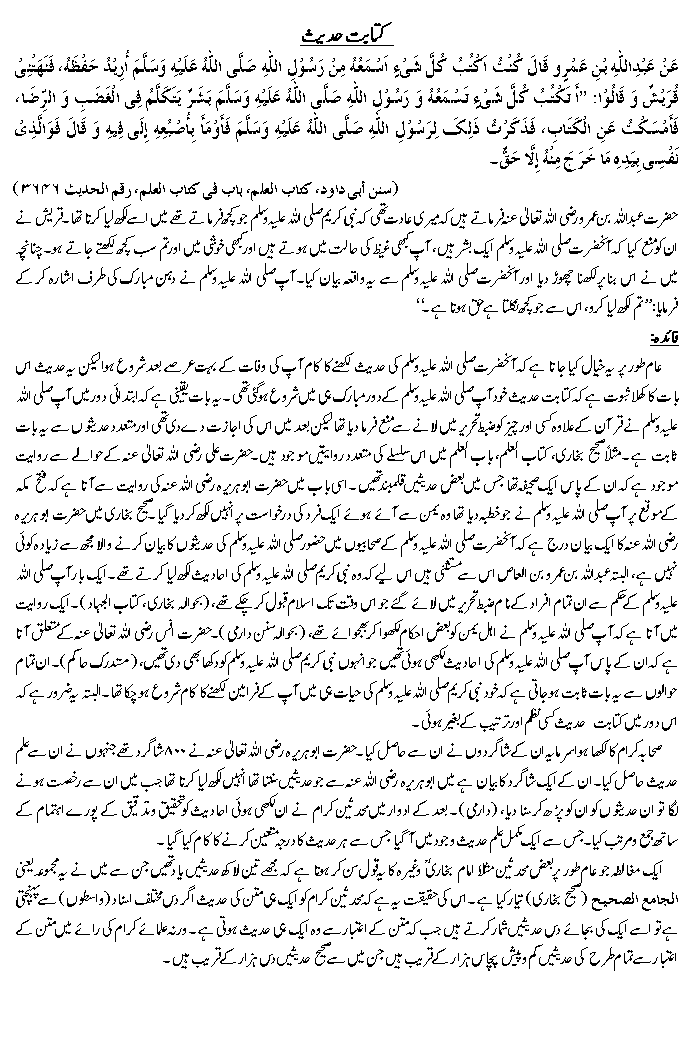
عَنْ عَبْدِاللهِ بْنِ عَمْرٍو قَالَ كُنْتُ أَكْتُبُ كُلَّ شَيْءٍ أَسْمَعُهُ مِنْ رَسُوْلِ اللهِ صَلَّى اللهُ عَلَيْهِ وَسَلَّمَ أُرِيْدُ حِفْظَهُ، فَنَهَتْنِيْ قُرَيْشٌ وَ قَالُوْا: أَتَكْتُبُ كُلَّ شَيْءٍ سَمِعْتَهُ وَ رَسُوْلُ اللهِ صَلَّى اللهُ عَلَيْهِ وَسَلَّمَ بَشَرٌ يَتَكَلَّمُ فِى الْغَضَبِ وَ الرِّضَا، فَأَمْسَكْتُ عَنِ الْكِتَابِ، فَذَكَرْتُ ذٰلِكَ لِرَسُوْلِ اللهِ صَلَّى اللهُ عَلَيْهِ وَسَلَّمَ فَأَوْمَأَ بِأَصْبِعِهِ إِلَى فِيْهِ وَ قَالَ فَوَالَّذِىْ نَفْسِىْ بِيَدِهِ مَا خَرَجَ مِنْهُ إِلَّا حَقٌّ
حضرت عبداللہ بن عمرو رضی اللہ تعالیٰ عنہ فرماتے ہیں کہ میری عادت تھی کہ نبی کریم صلی اللہ علیہ وسلم جو کچھ فرماتے تھے میں اسے لکھ لیا کرتا تھا۔ قریش نے ان کو منع کیا کہ آنحضرت صلی اللہ علیہ وسلم ایک بشر ہیں، آپ کبھی غیظ کی حالت میں ہوتے ہیں اور کبھی خوشی میں اور تم سب کچھ لکھتے جاتے ہو۔ چنانچہ میں نے اس بنا پر لکھنا چھوڑ دیا اور آنحضرت صلی اللہ علیہ وسلم سے یہ واقعہ بیان کیا۔ آپ صلی اللہ علیہ وسلم نے دہن مبارک کی طرف اشارہ کر کے فرمایا: "تم لکھ لیا کرو، اس سے جو کچھ نکلتا ہے حق ہوتا ہے۔" (سنن ابی داود)
عام طور پر یہ خیال کیا جاتا ہے کہ آنحضرت صلی اللہ علیہ وسلم کی حدیث لکھنے کا کام آپ کی وفات کے بہت عرصے بعد شروع ہوا لیکن یہ حدیث اس بات کا کھلا ثبوت ہے کہ کتابت حدیث خود آپ صلی اللہ علیہ وسلم کے دور مبارک ہی میں شروع ہو گئی تھی۔ یہ بات یقینی ہے کہ ابتدائی دور میں آپ صلی اللہ علیہ وسلم نے قرآن کے علاوہ کسی اور چیز کو ضبط تحریر میں لانے سے منع فرما دیا تھا لیکن بعد میں اس کی اجازت دے دی تھی اور متعدد حدیثوں سے یہ بات ثابت ہے۔ مثلاً صحیح بخاری، کتاب العلم، باب العلم میں اس سلسلے کی متعدد روایتیں موجود ہیں۔ حضرت علی رضی اللہ تعالیٰ عنہ کے حوالے سے روایت موجود ہے کہ ان کے پاس ایک صحیفہ تھا جس میں بعض حدیثیں قلمبند تھیں۔ اسی باب میں حضرت ابوہریرہ رضی اللہ عنہ کی روایت سے آنا ہے کہ فتح مکہ کے موقع پر آپ صلی اللہ علیہ وسلم نے جو خطبہ دیا تھا وہ یمن سے آئے ہوئے ایک فرد کی درخواست پر انہیں لکھ کر دیا گیا۔ صحیح بخاری میں حضرت ابوہریرہ رضی اللہ عنہ کا ایک بیان درج ہے کہ آنحضرت صلی اللہ علیہ وسلم کے صحابیوں میں حضور صلی اللہ علیہ وسلم کی حدیثوں کا بیان کرنے والا مجھ سے زیادہ کوئی نہیں ہے، البتہ عبداللہ بن عمرو بن العاص اس سے مستثنیٰ ہیں اس لیے کہ وہ نبی کریم صلی اللہ علیہ وسلم کی احادیث لکھ لیا کرتے تھے۔ ایک بار آپ صلی اللہ علیہ وسلم کے حکم سے ان تمام افراد کے نام ضبط تحریر میں لائے گئے جو اس وقت تک اسلام قبول کر چکے تھے، (بحوالہ بخاری، کتاب الجہاد)۔ ایک روایت میں آنا ہے کہ آپ صلی اللہ علیہ وسلم نے اہل یمن کو بعض احکام لکھوا کر بھجوائے تھے، (بحوالہ سنن دارمی)۔ حضرت انس رضی اللہ تعالیٰ عنہ کے متعلق آنا ہے کہ ان کے پاس آپ صلی اللہ علیہ وسلم کی احادیث لکھی ہوئی تھیں جو انہوں نے نبی کریم صلی اللہ علیہ وسلم کو دکھا بھی دی تھیں، (مستدرک حاکم)۔ ان تمام حوالوں سے یہ بات ثابت ہو جاتی ہے کہ خود نبی کریم صلی اللہ علیہ وسلم کی حیات ہی میں آپ کے فرامین لکھنے کا کام شروع ہو چکا تھا۔ البتہ یہ ضرور ہے کہ اس دور میں کتابت حدیث کسی نظم اور ترتیب کے بغیر ہوئی۔
صحابہ کرام کا لکھا ہوا سرمایہ ان کے شاگردوں نے ان سے حاصل کیا۔ حضرت ابوہریرہ رضی اللہ تعالیٰ عنہ نے ۸۰۰ شاگرد تھے جنہوں نے ان سے علم حدیث حاصل کیا۔ ان کے ایک شاگرد کا بیان ہے میں ابوہریرہ رضی اللہ عنہ سے جو حدیثیں سنتا تھا انہیں لکھ لیا کرتا تھا جب ان سے رخصت ہونے لگا تو ان حدیثوں کو ان کو پڑھ کر سنا دیا، (دارمی)۔ بعد کے ادوار میں محدثین کرام نے ان لکھی ہوئی احادیث کو تحقیق و تدقیق کے پورے اہتمام کے ساتھ جمع و مرتب کیا۔ جس سے ایک مکمل علم حدیث وجود میں آ گیا جس سے ہر حدیث کا درجہ متعین کرنے کا کام کیا گیا۔
ایک مغالطہ جو عام طور پر بعض محدثین مثلاً امام بخاری وغیرہ کا یہ قول سن کر ہوتا ہے کہ مجھے تین لاکھ حدیثیں یاد تھیں جن سے میں نے یہ مجموعہ یعنی الجامع الصحیح (صحیح بخاری) تیار کیا ہے۔ اس کی حقیقت یہ ہے کہ محدثین کرام ایک ہی متن کی حدیث کو اگر دس مختلف اسناد (واسطوں) سے پہنچتی ہے تو اسے ایک کی بجائے دس حدیثیں شمار کرتے ہیں جب کہ متن کے اعتبار سے وہ ایک ہی حدیث ہوتی ہے۔ ورنہ علمائے کرام کی رائے میں متن کے اعتبار سے تمام طرح کی حدیثیں کم و بیش پچاس ہزار کے قریب ہیں جن میں سے صحیح حدیثیں دس ہزار کے قریب ہیں۔
صحابہ کرام کا لکھا ہوا سرمایہ ان کے شاگردوں نے ان سے حاصل کیا۔ حضرت ابوہریرہ رضی اللہ تعالیٰ عنہ نے ۸۰۰ شاگرد تھے جنہوں نے ان سے علم حدیث حاصل کیا۔ ان کے ایک شاگرد کا بیان ہے میں ابوہریرہ رضی اللہ عنہ سے جو حدیثیں سنتا تھا انہیں لکھ لیا کرتا تھا جب ان سے رخصت ہونے لگا تو ان حدیثوں کو ان کو پڑھ کر سنا دیا، (دارمی)۔ بعد کے ادوار میں محدثین کرام نے ان لکھی ہوئی احادیث کو تحقیق و تدقیق کے پورے اہتمام کے ساتھ جمع و مرتب کیا۔ جس سے ایک مکمل علم حدیث وجود میں آ گیا جس سے ہر حدیث کا درجہ متعین کرنے کا کام کیا گیا۔
ایک مغالطہ جو عام طور پر بعض محدثین مثلاً امام بخاری وغیرہ کا یہ قول سن کر ہوتا ہے کہ مجھے تین لاکھ حدیثیں یاد تھیں جن سے میں نے یہ مجموعہ یعنی الجامع الصحیح (صحیح بخاری) تیار کیا ہے۔ اس کی حقیقت یہ ہے کہ محدثین کرام ایک ہی متن کی حدیث کو اگر دس مختلف اسناد (واسطوں) سے پہنچتی ہے تو اسے ایک کی بجائے دس حدیثیں شمار کرتے ہیں جب کہ متن کے اعتبار سے وہ ایک ہی حدیث ہوتی ہے۔ ورنہ علمائے کرام کی رائے میں متن کے اعتبار سے تمام طرح کی حدیثیں کم و بیش پچاس ہزار کے قریب ہیں جن میں سے صحیح حدیثیں دس ہزار کے قریب ہیں۔
English translation
Abdullah ibn Amr (may Allah be pleased with him) said: It was my habit to write down whatever the Prophet (peace be upon him) said. The Quraysh forbade him, saying that the Messenger of Allah (peace be upon him) is a human being — sometimes he is in a state of anger and sometimes of pleasure — and you write down everything. So on that account I stopped writing, and I mentioned the matter to the Messenger of Allah (peace be upon him). He pointed towards his blessed mouth and said: "Write, for by the One in whose hand is my soul, nothing comes out of it but the truth."
It is generally supposed that the work of writing down the hadith of the Prophet (peace be upon him) began long after his death; but this hadith is plain proof that the writing of hadith began in his own blessed lifetime. It is certain that in the earliest period he forbade anything other than the Qur'an from being committed to writing, but later he permitted it, and this is established from numerous hadiths. For example, in Sahih al-Bukhari, the Book of Knowledge, chapter on knowledge, there are several narrations on this subject. It is narrated on the authority of Ali (may Allah be pleased with him) that he had a scroll in which certain hadiths were recorded. In the same chapter, in a narration from Abu Hurayrah (may Allah be pleased with him), it is reported that the sermon the Prophet (peace be upon him) delivered on the occasion of the conquest of Makkah was written out for a man who had come from Yemen, at his request. In Sahih al-Bukhari a statement of Abu Hurayrah (may Allah be pleased with him) is recorded that among the Companions of the Prophet (peace be upon him) there is none who narrates more of the Prophet's hadiths than he — except Abdullah ibn Amr ibn al-As, for he used to write down the hadiths of the Prophet (peace be upon him). On one occasion, by the order of the Prophet (peace be upon him), the names of all those who had accepted Islam up to that time were committed to writing (Bukhari, Book of Jihad). One narration states that the Prophet (peace be upon him) had certain rulings written out and sent to the people of Yemen (Sunan al-Darimi). Concerning Anas (may Allah be pleased with him) it is reported that he had hadiths of the Prophet (peace be upon him) written down, which he also showed to the Prophet (peace be upon him) (al-Mustadrak of al-Hakim). From all these references it is established that the writing of the Prophet's sayings had already begun during his own lifetime. It is true, however, that in that period the writing of hadith was done without any particular system or arrangement.
The written material of the Companions was obtained from them by their students. Abu Hurayrah (may Allah be pleased with him) had eight hundred students who acquired the knowledge of hadith from him. One of his students said: I used to write down the hadiths I heard from Abu Hurayrah (may Allah be pleased with him), and when I was about to take leave of him, I read those hadiths back to him (al-Darimi). In later ages the scholars of hadith collected and arranged these written hadiths with the fullest care of research and scrutiny, so that a complete science of hadith came into being, by which the grade of every hadith was determined.
One misconception commonly arises on hearing the statement of certain hadith scholars — for instance Imam Bukhari and others — that "I had three hundred thousand hadiths memorised, from which I compiled this collection, namely al-Jami' al-Sahih (Sahih al-Bukhari)." The reality of it is that when a hadith of a single text reaches the hadith scholars through ten different chains of transmission, they count it as ten hadiths rather than one, whereas by its text it is a single hadith. Otherwise, in the view of the scholars, the total number of hadiths of every kind, counted by text, is roughly fifty thousand, of which the sound hadiths are about ten thousand.
It is generally supposed that the work of writing down the hadith of the Prophet (peace be upon him) began long after his death; but this hadith is plain proof that the writing of hadith began in his own blessed lifetime. It is certain that in the earliest period he forbade anything other than the Qur'an from being committed to writing, but later he permitted it, and this is established from numerous hadiths. For example, in Sahih al-Bukhari, the Book of Knowledge, chapter on knowledge, there are several narrations on this subject. It is narrated on the authority of Ali (may Allah be pleased with him) that he had a scroll in which certain hadiths were recorded. In the same chapter, in a narration from Abu Hurayrah (may Allah be pleased with him), it is reported that the sermon the Prophet (peace be upon him) delivered on the occasion of the conquest of Makkah was written out for a man who had come from Yemen, at his request. In Sahih al-Bukhari a statement of Abu Hurayrah (may Allah be pleased with him) is recorded that among the Companions of the Prophet (peace be upon him) there is none who narrates more of the Prophet's hadiths than he — except Abdullah ibn Amr ibn al-As, for he used to write down the hadiths of the Prophet (peace be upon him). On one occasion, by the order of the Prophet (peace be upon him), the names of all those who had accepted Islam up to that time were committed to writing (Bukhari, Book of Jihad). One narration states that the Prophet (peace be upon him) had certain rulings written out and sent to the people of Yemen (Sunan al-Darimi). Concerning Anas (may Allah be pleased with him) it is reported that he had hadiths of the Prophet (peace be upon him) written down, which he also showed to the Prophet (peace be upon him) (al-Mustadrak of al-Hakim). From all these references it is established that the writing of the Prophet's sayings had already begun during his own lifetime. It is true, however, that in that period the writing of hadith was done without any particular system or arrangement.
The written material of the Companions was obtained from them by their students. Abu Hurayrah (may Allah be pleased with him) had eight hundred students who acquired the knowledge of hadith from him. One of his students said: I used to write down the hadiths I heard from Abu Hurayrah (may Allah be pleased with him), and when I was about to take leave of him, I read those hadiths back to him (al-Darimi). In later ages the scholars of hadith collected and arranged these written hadiths with the fullest care of research and scrutiny, so that a complete science of hadith came into being, by which the grade of every hadith was determined.
One misconception commonly arises on hearing the statement of certain hadith scholars — for instance Imam Bukhari and others — that "I had three hundred thousand hadiths memorised, from which I compiled this collection, namely al-Jami' al-Sahih (Sahih al-Bukhari)." The reality of it is that when a hadith of a single text reaches the hadith scholars through ten different chains of transmission, they count it as ten hadiths rather than one, whereas by its text it is a single hadith. Otherwise, in the view of the scholars, the total number of hadiths of every kind, counted by text, is roughly fifty thousand, of which the sound hadiths are about ten thousand.
View original image
https://hadith.ahadees.com/hadees/2715 — Ahadees.com