

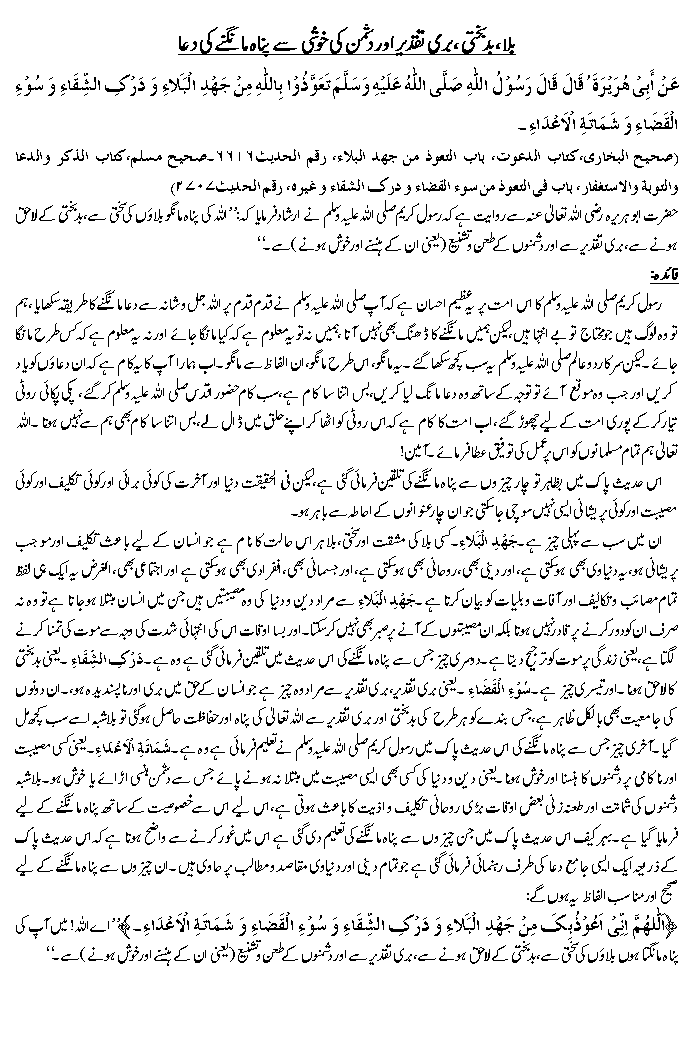
بلا، بدبختی، بری تقدیر اور دشمن کی خوشی سے پناہ مانگنے کی دعا
عَنْ أَبِى هُرَيْرَةَ قَالَ قَالَ رَسُولُ اللهِ صَلَّى اللهُ عَلَيْهِ وَسَلَّمَ تَعَوَّذُوْا بِاللهِ مِنْ جَهْدِ الْبَلَاءِ وَ دَرَكِ الشِّقَاءِ وَ سُوْءِ الْقَضَاءِ وَ شَمَاتَةِ الْأَعْدَاءِ ـ
حضرت ابو ہریرہ رضی اللہ تعالیٰ عنہ سے روایت ہے کہ رسول کریم صلی اللہ علیہ وسلم نے ارشاد فرمایا کہ: ”اللہ کی پناہ مانگو بلاؤں کی سختی سے، بدبختی کے لاحق ہونے سے، بری تقدیر سے اور دشمنوں کے طعن و تشنیع (یعنی ان کے ہنسنے اور خوش ہونے) سے۔“ (صحیح البخاری، کتاب الدعوات، باب التعوذ من جھد البلاء، رقم الحدیث ۶۶۱۶ ـ صحیح مسلم، کتاب الذکر والدعا والتوبۃ والاستغفار، باب فی التعوذ من سوء القضاء و درک الشقاء و غیرہ، رقم الحدیث ۲۷۰۷)
رسول کریم صلی اللہ علیہ وسلم کا اس امت پر یہ عظیم احسان ہے کہ آپ صلی اللہ علیہ وسلم نے قدم قدم پر اللہ جل و شانہ سے دعا مانگنے کا طریقہ سکھایا، ہم تو وہ لوگ ہیں جو محتاج تو بے انتہا ہیں، لیکن ہمیں مانگنے کا ڈھنگ بھی نہیں آتا، ہمیں نہ تو یہ معلوم ہے کہ کیا مانگا جائے اور نہ یہ معلوم ہے کہ کس طرح مانگا جائے۔ لیکن سرکار دو عالم صلی اللہ علیہ وسلم یہ سب کچھ سکھا گئے۔ یہ مانگو، اس طرح مانگو، ان الفاظ سے مانگو۔ اب ہمارا آپ کا یہ کام ہے کہ ان دعاؤں کو یاد کریں اور جب وہ موقع آئے تو توجہ کے ساتھ وہ دعا مانگ لیا کریں، بس اتنا سا کام ہے، سب کام حضور اقدس صلی اللہ علیہ وسلم کر گئے، پکی پکائی روٹی تیار کر کے پوری امت کے لیے چھوڑ گئے، اب امت کا کام ہے کہ اس روٹی کو اٹھا کر اپنے حلق میں ڈال لے، بس اتنا سا کام بھی ہم سے نہیں ہوتا۔ اللہ تعالیٰ ہم تمام مسلمانوں کو اس پر عمل کی توفیق عطا فرمائے۔ آمین!
اس حدیث پاک میں بظاہر تو چار چیزوں سے پناہ مانگنے کی تلقین فرمائی گئی ہے، لیکن فی الحقیقت دنیا اور آخرت کی کوئی برائی اور کوئی تکلیف اور کوئی مصیبت اور کوئی پریشانی ایسی نہیں سوچی جا سکتی جو ان چار عنوانوں کے احاطہ سے باہر ہو۔
ان میں سب سے پہلی چیز ہے۔ جَهْدِ الْبَلَاءِ۔ کسی بلا کی مشقت اور سختی، بلا ہر اس حالت کا نام ہے جو انسان کے لیے باعث تکلیف اور موجب پریشانی ہو، یہ دنیاوی بھی ہو سکتی ہے، اور دینی بھی، روحانی بھی ہو سکتی ہے، اور جسمانی بھی، انفرادی بھی، اور اجتماعی بھی، الغرض یہ ایک ہی لفظ تمام مصائب و تکالیف اور آفات و بلیات کو بیان کرتا ہے۔ جَهْدِ الْبَلَاءِ سے مراد دین و دنیا کی وہ مصیبتیں ہیں جن میں انسان مبتلا ہو جاتا ہے تو وہ نہ صرف ان کو دور کرنے پر قادر نہیں ہوتا بلکہ ان مصیبتوں کے آنے پر صبر بھی نہیں کر سکتا۔ اور بسا اوقات اس کی انتہائی شدت کی وجہ سے موت کی تمنا کرنے لگتا ہے، یعنی زندگی پر موت کو ترجیح دیتا ہے۔
دوسری چیز جس سے پناہ مانگنے کی اس حدیث میں تلقین فرمائی گئی ہے وہ ہے۔ دَرَكِ الشِّقَاءِ۔ یعنی بدبختی کا لاحق ہونا۔
اور تیسری چیز ہے۔ سُوْءِ الْقَضَاءِ۔ یعنی بری تقدیر، بری تقدیر سے مراد وہ چیز ہے جو انسان کے حق میں بری اور ناپسندیدہ ہو۔ ان دونوں کی جامعیت بھی بالکل ظاہر ہے، جس بندے کو ہر طرح کی بدبختی اور بری تقدیر سے اللہ تعالیٰ کی پناہ اور حفاظت حاصل ہوگی تو بلاشبہ اسے سب کچھ مل گیا۔
آخری چیز جس سے پناہ مانگنے کی اس حدیث پاک میں رسول کریم صلی اللہ علیہ وسلم نے تعلیم فرمائی ہے وہ ہے۔ شَمَاتَةِ الْأَعْدَاءِ۔ یعنی کسی مصیبت اور ناکامی پر دشمنوں کا ہنسنا اور خوش ہونا۔ یعنی دین و دنیا کی کسی بھی ایسی مصیبت میں مبتلا نہ ہونے پائے جس سے دشمن ہنسی اڑائے یا خوش ہو۔ بلاشبہ دشمنوں کی شماتت اور طعنہ زنی بعض اوقات بڑی روحانی تکلیف و اذیت کا باعث ہوتی ہے، اس لیے اس سے خصوصیت کے ساتھ پناہ مانگنے کے لیے فرمایا گیا ہے۔ بہر کیف اس حدیث پاک میں جن چیزوں سے پناہ مانگنے کی تعلیم دی گئی ہے اس میں غور کرنے سے واضح ہوتا ہے کہ اس حدیث پاک کے ذریعہ ایک ایسی جامع دعا کی طرف رہنمائی فرمائی گئی ہے جو تمام دینی اور دنیاوی مقاصد و مطالب پر حاوی ہیں۔ ان چیزوں سے پناہ مانگنے کے لیے صحیح اور مناسب الفاظ یہ ہوں گے:
﴿اَللّٰهُمَّ اِنِّىْ اَعُوْذُبِكَ مِنْ جَهْدِ الْبَلَاءِ وَ دَرَكِ الشِّقَاءِ وَ سُوْءِ الْقَضَاءِ وَ شَمَاتَةِ الْأَعْدَاءِ ـ﴾ ”اے اللہ! میں آپ کی پناہ مانگتا ہوں بلاؤں کی سختی سے، بدبختی کے لاحق ہونے سے، بری تقدیر سے اور دشمنوں کے طعن و تشنیع (یعنی ان کے ہنسنے اور خوش ہونے) سے۔“
اس حدیث پاک میں بظاہر تو چار چیزوں سے پناہ مانگنے کی تلقین فرمائی گئی ہے، لیکن فی الحقیقت دنیا اور آخرت کی کوئی برائی اور کوئی تکلیف اور کوئی مصیبت اور کوئی پریشانی ایسی نہیں سوچی جا سکتی جو ان چار عنوانوں کے احاطہ سے باہر ہو۔
ان میں سب سے پہلی چیز ہے۔ جَهْدِ الْبَلَاءِ۔ کسی بلا کی مشقت اور سختی، بلا ہر اس حالت کا نام ہے جو انسان کے لیے باعث تکلیف اور موجب پریشانی ہو، یہ دنیاوی بھی ہو سکتی ہے، اور دینی بھی، روحانی بھی ہو سکتی ہے، اور جسمانی بھی، انفرادی بھی، اور اجتماعی بھی، الغرض یہ ایک ہی لفظ تمام مصائب و تکالیف اور آفات و بلیات کو بیان کرتا ہے۔ جَهْدِ الْبَلَاءِ سے مراد دین و دنیا کی وہ مصیبتیں ہیں جن میں انسان مبتلا ہو جاتا ہے تو وہ نہ صرف ان کو دور کرنے پر قادر نہیں ہوتا بلکہ ان مصیبتوں کے آنے پر صبر بھی نہیں کر سکتا۔ اور بسا اوقات اس کی انتہائی شدت کی وجہ سے موت کی تمنا کرنے لگتا ہے، یعنی زندگی پر موت کو ترجیح دیتا ہے۔
دوسری چیز جس سے پناہ مانگنے کی اس حدیث میں تلقین فرمائی گئی ہے وہ ہے۔ دَرَكِ الشِّقَاءِ۔ یعنی بدبختی کا لاحق ہونا۔
اور تیسری چیز ہے۔ سُوْءِ الْقَضَاءِ۔ یعنی بری تقدیر، بری تقدیر سے مراد وہ چیز ہے جو انسان کے حق میں بری اور ناپسندیدہ ہو۔ ان دونوں کی جامعیت بھی بالکل ظاہر ہے، جس بندے کو ہر طرح کی بدبختی اور بری تقدیر سے اللہ تعالیٰ کی پناہ اور حفاظت حاصل ہوگی تو بلاشبہ اسے سب کچھ مل گیا۔
آخری چیز جس سے پناہ مانگنے کی اس حدیث پاک میں رسول کریم صلی اللہ علیہ وسلم نے تعلیم فرمائی ہے وہ ہے۔ شَمَاتَةِ الْأَعْدَاءِ۔ یعنی کسی مصیبت اور ناکامی پر دشمنوں کا ہنسنا اور خوش ہونا۔ یعنی دین و دنیا کی کسی بھی ایسی مصیبت میں مبتلا نہ ہونے پائے جس سے دشمن ہنسی اڑائے یا خوش ہو۔ بلاشبہ دشمنوں کی شماتت اور طعنہ زنی بعض اوقات بڑی روحانی تکلیف و اذیت کا باعث ہوتی ہے، اس لیے اس سے خصوصیت کے ساتھ پناہ مانگنے کے لیے فرمایا گیا ہے۔ بہر کیف اس حدیث پاک میں جن چیزوں سے پناہ مانگنے کی تعلیم دی گئی ہے اس میں غور کرنے سے واضح ہوتا ہے کہ اس حدیث پاک کے ذریعہ ایک ایسی جامع دعا کی طرف رہنمائی فرمائی گئی ہے جو تمام دینی اور دنیاوی مقاصد و مطالب پر حاوی ہیں۔ ان چیزوں سے پناہ مانگنے کے لیے صحیح اور مناسب الفاظ یہ ہوں گے:
﴿اَللّٰهُمَّ اِنِّىْ اَعُوْذُبِكَ مِنْ جَهْدِ الْبَلَاءِ وَ دَرَكِ الشِّقَاءِ وَ سُوْءِ الْقَضَاءِ وَ شَمَاتَةِ الْأَعْدَاءِ ـ﴾ ”اے اللہ! میں آپ کی پناہ مانگتا ہوں بلاؤں کی سختی سے، بدبختی کے لاحق ہونے سے، بری تقدیر سے اور دشمنوں کے طعن و تشنیع (یعنی ان کے ہنسنے اور خوش ہونے) سے۔“
English translation
Narrated Abū Hurayrah (may Allah be pleased with him): The Messenger of Allah ﷺ said: “Seek refuge with Allah from the severity of affliction, from being overtaken by wretchedness, from an evil decree, and from the gloating of enemies.”
It is a tremendous favour of the Messenger ﷺ upon this ummah that at every step he taught us how to ask of Allah, Mighty is His majesty. We are people whose need is boundless, yet we do not even know the manner of asking: we neither know what should be asked for, nor how it should be asked. But the Master of both worlds ﷺ taught us all of this — ask for this, ask in this way, ask in these words. Now it is for you and me to memorise these supplications and, when the occasion arises, to make that supplication attentively. That is all that is required of us; the Noble Prophet ﷺ did all the work, preparing the bread fully baked and leaving it for the whole ummah. Now the ummah has only to pick up that bread and put it into its mouth — and even that little we fail to do. May Allah grant all of us Muslims the ability to act upon this. Āmīn!
In this blessed hadith refuge is outwardly sought from four things, but in reality no evil, no hardship, no calamity and no distress of this world or the next can be conceived of that falls outside the compass of these four headings.
The first of them is jahd al-balā’ — the hardship and severity of affliction. Balā’ is the name of every state that causes a person pain and distress. It may be worldly or religious, spiritual or physical, individual or collective — in short, this single expression covers all misfortunes and hardships, all disasters and calamities. Jahd al-balā’ means those trials of religion and of the world in which a person becomes caught up such that he is not only unable to remove them but cannot even bear them with patience when they come; and often, because of their extreme severity, he begins to wish for death — that is, he prefers death to life.
The second thing from which this hadith instructs us to seek refuge is darak al-shaqā’ — that is, being overtaken by wretchedness.
The third is sū’ al-qaḍā’ — an evil decree. An evil decree means whatever is bad and undesirable for a person. The comprehensiveness of these two is also quite plain: the servant who is granted Allah’s refuge and protection from every kind of wretchedness and from an evil decree has undoubtedly obtained everything.
The last thing from which the Messenger of Allah ﷺ taught us in this blessed hadith to seek refuge is shamātat al-a‘dā’ — that is, the laughter and delight of enemies at one’s misfortune or failure: that one should not be afflicted with any calamity of religion or of the world at which an enemy might mock or rejoice. Without doubt the gloating and taunting of enemies is at times the cause of great spiritual pain and torment, and that is why we have been told to seek refuge from it in particular. In any case, reflection on the things from which this blessed hadith teaches us to seek refuge makes clear that through it we have been guided to a supplication so comprehensive that it encompasses all religious and worldly aims and needs. The correct and fitting words for seeking refuge from these things are:
“Allāhumma innī a‘ūdhu bika min jahdi’l-balā’i wa daraki’sh-shaqā’i wa sū’i’l-qaḍā’i wa shamātati’l-a‘dā’.” — “O Allah, I seek refuge with You from the severity of affliction, from being overtaken by wretchedness, from an evil decree, and from the gloating of enemies.”
It is a tremendous favour of the Messenger ﷺ upon this ummah that at every step he taught us how to ask of Allah, Mighty is His majesty. We are people whose need is boundless, yet we do not even know the manner of asking: we neither know what should be asked for, nor how it should be asked. But the Master of both worlds ﷺ taught us all of this — ask for this, ask in this way, ask in these words. Now it is for you and me to memorise these supplications and, when the occasion arises, to make that supplication attentively. That is all that is required of us; the Noble Prophet ﷺ did all the work, preparing the bread fully baked and leaving it for the whole ummah. Now the ummah has only to pick up that bread and put it into its mouth — and even that little we fail to do. May Allah grant all of us Muslims the ability to act upon this. Āmīn!
In this blessed hadith refuge is outwardly sought from four things, but in reality no evil, no hardship, no calamity and no distress of this world or the next can be conceived of that falls outside the compass of these four headings.
The first of them is jahd al-balā’ — the hardship and severity of affliction. Balā’ is the name of every state that causes a person pain and distress. It may be worldly or religious, spiritual or physical, individual or collective — in short, this single expression covers all misfortunes and hardships, all disasters and calamities. Jahd al-balā’ means those trials of religion and of the world in which a person becomes caught up such that he is not only unable to remove them but cannot even bear them with patience when they come; and often, because of their extreme severity, he begins to wish for death — that is, he prefers death to life.
The second thing from which this hadith instructs us to seek refuge is darak al-shaqā’ — that is, being overtaken by wretchedness.
The third is sū’ al-qaḍā’ — an evil decree. An evil decree means whatever is bad and undesirable for a person. The comprehensiveness of these two is also quite plain: the servant who is granted Allah’s refuge and protection from every kind of wretchedness and from an evil decree has undoubtedly obtained everything.
The last thing from which the Messenger of Allah ﷺ taught us in this blessed hadith to seek refuge is shamātat al-a‘dā’ — that is, the laughter and delight of enemies at one’s misfortune or failure: that one should not be afflicted with any calamity of religion or of the world at which an enemy might mock or rejoice. Without doubt the gloating and taunting of enemies is at times the cause of great spiritual pain and torment, and that is why we have been told to seek refuge from it in particular. In any case, reflection on the things from which this blessed hadith teaches us to seek refuge makes clear that through it we have been guided to a supplication so comprehensive that it encompasses all religious and worldly aims and needs. The correct and fitting words for seeking refuge from these things are:
“Allāhumma innī a‘ūdhu bika min jahdi’l-balā’i wa daraki’sh-shaqā’i wa sū’i’l-qaḍā’i wa shamātati’l-a‘dā’.” — “O Allah, I seek refuge with You from the severity of affliction, from being overtaken by wretchedness, from an evil decree, and from the gloating of enemies.”
View original image
https://hadith.ahadees.com/hadees/2816 — Ahadees.com