

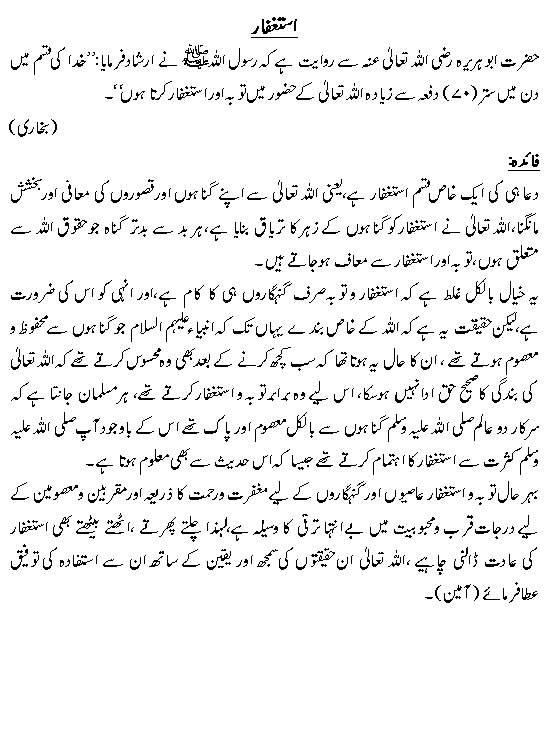
استغفار
حضرت ابوہریرہ رضی اللہ تعالیٰ عنہ سے روایت ہے کہ رسول اللہ صلی اللہ علیہ وسلم نے ارشاد فرمایا: ”خدا کی قسم میں دن میں ستر (۷۰) دفعہ سے زیادہ اللہ تعالیٰ کے حضور میں توبہ اور استغفار کرتا ہوں“۔ (بخاری)
دعا کی ایک خاص قسم استغفار ہے، یعنی اللہ تعالیٰ سے اپنے گناہوں اور قصوروں کی معافی اور بخشش مانگنا، اللہ تعالیٰ نے استغفار کو گناہوں کے زہر کا تریاق بنایا ہے، ہر بد سے بدتر گناہ جو حقوق اللہ سے متعلق ہوں، توبہ اور استغفار سے معاف ہوجاتے ہیں۔
یہ خیال بالکل غلط ہے کہ استغفار و توبہ صرف گنہگاروں ہی کا کام ہے، اور انبیا کو اس کی ضرورت نہیں، لیکن حقیقت یہ ہے کہ اللہ کے خاص بندے یہاں تک کہ انبیاء علیہم السلام جو گناہوں سے محفوظ و معصوم ہوتے تھے، ان کا حال یہ تھا کہ سب کچھ کرنے کے بعد بھی وہ محسوس کرتے تھے کہ اللہ تعالیٰ کی بندگی کا حق ادا نہیں ہوسکا، اس لیے وہ توبہ اور استغفار کرتے تھے، ہر مسلمان جانتا ہے کہ سرکار دو عالم صلی اللہ علیہ وسلم گناہوں سے بالکل معصوم اور پاک تھے اس کے باوجود صلی اللہ علیہ وسلم کثرت سے استغفار کا اہتمام کرتے تھے جیسا کہ اس حدیث سے بھی معلوم ہوتا ہے۔
بہرحال توبہ اور استغفار عاصیوں اور گنہگاروں کے لیے مغفرت ورحمت کا ذریعہ اور مقربین اور معصومین کے لیے درجات قرب ومحبوبیت میں بے انتہا ترقی کا وسیلہ ہے، لہٰذا چلتے پھرتے، اٹھتے بیٹھتے بھی استغفار کی عادت ڈالنی چاہیے، اللہ تعالیٰ ان حقائق کی سمجھ اور یقین کے ساتھ ان سے استفادہ کی توفیق عطا فرمائے (آمین)۔
یہ خیال بالکل غلط ہے کہ استغفار و توبہ صرف گنہگاروں ہی کا کام ہے، اور انبیا کو اس کی ضرورت نہیں، لیکن حقیقت یہ ہے کہ اللہ کے خاص بندے یہاں تک کہ انبیاء علیہم السلام جو گناہوں سے محفوظ و معصوم ہوتے تھے، ان کا حال یہ تھا کہ سب کچھ کرنے کے بعد بھی وہ محسوس کرتے تھے کہ اللہ تعالیٰ کی بندگی کا حق ادا نہیں ہوسکا، اس لیے وہ توبہ اور استغفار کرتے تھے، ہر مسلمان جانتا ہے کہ سرکار دو عالم صلی اللہ علیہ وسلم گناہوں سے بالکل معصوم اور پاک تھے اس کے باوجود صلی اللہ علیہ وسلم کثرت سے استغفار کا اہتمام کرتے تھے جیسا کہ اس حدیث سے بھی معلوم ہوتا ہے۔
بہرحال توبہ اور استغفار عاصیوں اور گنہگاروں کے لیے مغفرت ورحمت کا ذریعہ اور مقربین اور معصومین کے لیے درجات قرب ومحبوبیت میں بے انتہا ترقی کا وسیلہ ہے، لہٰذا چلتے پھرتے، اٹھتے بیٹھتے بھی استغفار کی عادت ڈالنی چاہیے، اللہ تعالیٰ ان حقائق کی سمجھ اور یقین کے ساتھ ان سے استفادہ کی توفیق عطا فرمائے (آمین)۔
English translation
It is narrated from Abu Hurayrah (may Allah be pleased with him) that the Messenger of Allah ﷺ said: "By Allah, I seek forgiveness of Allah and turn to Him in repentance more than seventy (70) times a day."
(Bukhari)
Istighfar (seeking forgiveness) is a special kind of supplication — that is, asking Allah to pardon and forgive one's sins and shortcomings. Allah has made istighfar the antidote to the poison of sins; every sin, from the least to the gravest, that relates to the rights of Allah is forgiven through repentance and istighfar.
It is quite mistaken to think that repentance and istighfar are the work of sinners alone and that the prophets have no need of them. The truth is that Allah's special servants — even the prophets (peace be upon them), who were protected and sinless — were such that, after doing everything, they still felt they had not fulfilled the due of Allah's worship, and so they used to repent and seek forgiveness. Every Muslim knows that the Master of both worlds ﷺ was utterly sinless and pure, yet even so he ﷺ was assiduous in seeking forgiveness abundantly, as this hadith too shows.
In any case, repentance and istighfar are a means of forgiveness and mercy for the disobedient and sinful, and for those near to Allah and the sinless a means of endless progress in the ranks of nearness and belovedness. So one should make a habit of istighfar while walking and moving, sitting and standing. May Allah grant us the understanding and certainty of these realities and the ability to benefit from them (Ameen).
(Bukhari)
Istighfar (seeking forgiveness) is a special kind of supplication — that is, asking Allah to pardon and forgive one's sins and shortcomings. Allah has made istighfar the antidote to the poison of sins; every sin, from the least to the gravest, that relates to the rights of Allah is forgiven through repentance and istighfar.
It is quite mistaken to think that repentance and istighfar are the work of sinners alone and that the prophets have no need of them. The truth is that Allah's special servants — even the prophets (peace be upon them), who were protected and sinless — were such that, after doing everything, they still felt they had not fulfilled the due of Allah's worship, and so they used to repent and seek forgiveness. Every Muslim knows that the Master of both worlds ﷺ was utterly sinless and pure, yet even so he ﷺ was assiduous in seeking forgiveness abundantly, as this hadith too shows.
In any case, repentance and istighfar are a means of forgiveness and mercy for the disobedient and sinful, and for those near to Allah and the sinless a means of endless progress in the ranks of nearness and belovedness. So one should make a habit of istighfar while walking and moving, sitting and standing. May Allah grant us the understanding and certainty of these realities and the ability to benefit from them (Ameen).
View original image
https://hadith.ahadees.com/hadees/408 — Ahadees.com