

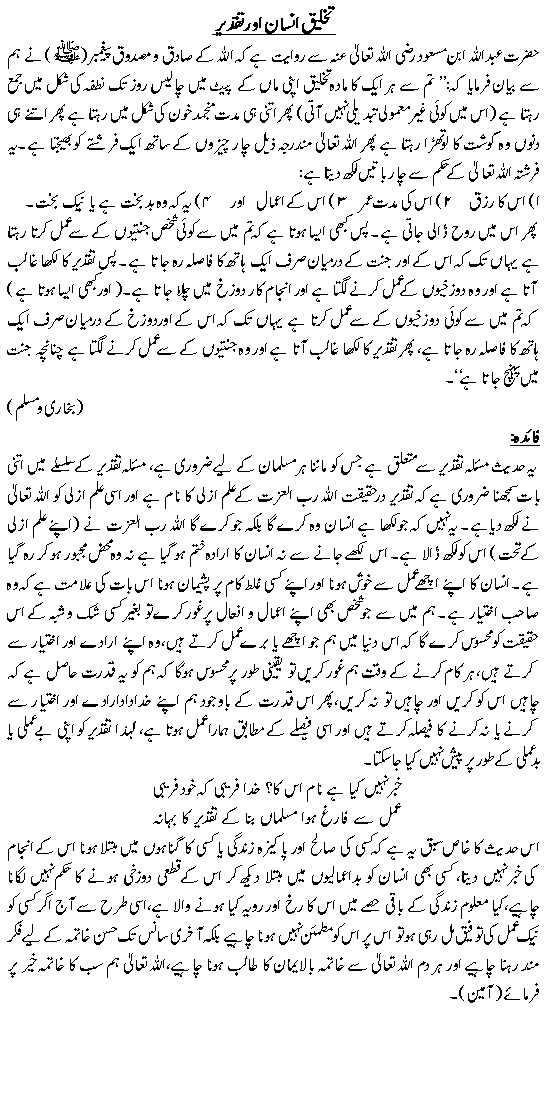
تخلیقِ انسان اور تقدیر
حضرت عبداللہ ابن مسعود رضی اللہ تعالیٰ عنہ سے روایت ہے کہ اللہ کے صادق و مصدوق پیغمبر ﷺ نے ہم سے بیان فرمایا کہ: ”تم سے ہر ایک کا مادہ تخلیق اپنی ماں کے پیٹ میں چالیس روز تک نطفہ کی شکل میں جمع رہتا ہے (اس میں کوئی غیر معمولی تبدیلی نہیں آتی) پھر اتنی ہی مدت منجمد خون کی شکل میں رہتا ہے، پھر اتنے ہی دنوں وہ گوشت کا لوتھڑا رہتا ہے، پھر اللہ تعالیٰ مندرجہ ذیل چار چیزوں کے ساتھ ایک فرشتے کو بھیجتا ہے۔ یہ فرشتہ اللہ تعالیٰ کے حکم سے چار باتیں لکھ دیتا ہے: ۱) اس کا رزق ۲) اس کی مدت عمر ۳) اس کے اعمال اور ۴) یہ کہ وہ بدبخت ہے یا نیک بخت۔ پھر اس میں روح ڈالی جاتی ہے۔ پس کبھی ایسا ہوتا ہے کہ تم میں سے کوئی شخص جنتیوں کے سے عمل کرتا رہتا ہے یہاں تک کہ اس کے اور جنت کے درمیان صرف ایک ہاتھ کا فاصلہ رہ جاتا ہے۔ پس تقدیر کا لکھا غالب آتا ہے اور وہ دوزخیوں کے عمل کرنے لگتا ہے اور انجام کار دوزخ میں چلا جاتا ہے۔ (اور کبھی ایسا ہوتا ہے) کہ تم میں سے کوئی دوزخیوں کے سے عمل کرتا ہے یہاں تک کہ اس کے اور دوزخ کے درمیان صرف ایک ہاتھ کا فاصلہ رہ جاتا ہے، پھر تقدیر کا لکھا غالب آتا ہے اور وہ جنتیوں کے سے عمل کرنے لگتا ہے چنانچہ جنت میں پہنچ جاتا ہے“۔ (بخاری و مسلم)
یہ حدیث مسئلہ تقدیر سے متعلق ہے جس کو ماننا ہر مسلمان کے لیے ضروری ہے، مسئلہ تقدیر کے سلسلے میں اتنی بات سمجھنا ضروری ہے کہ تقدیر دراصل حقیقت اللہ رب العزت کے علم ازلی کا نام ہے اور اسی علم ازلی کو اللہ تعالیٰ نے لکھ دیا ہے۔ یہ نہیں کہ جو لکھا ہے انسان وہ کرے گا بلکہ جو کرے گا اللہ رب العزت نے (اپنے علم ازلی کے تحت) اس کو لکھ ڈالا ہے۔ اس لکھے جانے سے نہ انسان کا ارادہ ختم ہو گیا ہے نہ وہ محض مجبور ہو کر رہ گیا ہے۔ انسان کا اپنے اچھے عمل سے خوش ہونا اور اپنے کسی غلط کام پر پشیمان ہونا اس بات کی علامت ہے کہ وہ صاحب اختیار ہے۔ ہم میں سے جو شخص بھی اپنے اعمال و افعال پر غور کرے تو بغیر کسی شک و شبہ کے اس حقیقت کو محسوس کرے گا کہ اس دنیا میں ہم جو اچھے یا برے عمل کرتے ہیں، وہ اپنے ارادے اور اختیار سے کرتے ہیں، ہر کام کرنے کے وقت ہم غور کریں تو یقینی طور پر محسوس ہوگا کہ ہم کو یہ قدرت حاصل ہے کہ اس کو کریں اور چاہیں تو نہ کریں، پھر اس قدرت کے باوجود ہم اپنے خدا داد ارادے اور اختیار سے کرنے یا نہ کرنے کا فیصلہ کرتے ہیں اور اسی فیصلے کے مطابق ہمارا عمل ہوتا ہے، لہٰذا تقدیر کو اپنی بے عملی یا بد عملی کے طور پر پیش نہیں کیا جا سکتا۔
خبر نہیں کیا ہے نام اس کا؟ خدا فریبی کہ خود فریبی
عمل سے فارغ ہوا مسلماں بنا کے تقدیر کا بہانہ
اس حدیث کا خاص سبق یہ ہے کہ کسی کی صالح اور پاکیزہ زندگی یا کسی کا گناہوں میں مبتلا ہونا اس کے انجام کی خبر نہیں دیتا، کسی بھی انسان کو بد اعمالیوں میں مبتلا دیکھ کر اس کے قطعی دوزخی ہونے کا حکم نہیں لگانا چاہیے، کیا معلوم زندگی کے باقی حصے میں اس کا رخ اور رویہ کیا ہونے والا ہے، اسی طرح آج اگر کسی کو نیک عمل کی توفیق مل رہی ہو تو اس کو مطمئن نہیں ہونا چاہیے بلکہ آخری سانس تک حسن خاتمہ کے لیے فکر مند رہنا چاہیے اور ہر دم اللہ تعالیٰ سے خاتمہ بالایمان کا طالب ہونا چاہیے، اللہ تعالیٰ ہم سب کا خاتمہ خیر پر فرمائے (آمین)۔
خبر نہیں کیا ہے نام اس کا؟ خدا فریبی کہ خود فریبی
عمل سے فارغ ہوا مسلماں بنا کے تقدیر کا بہانہ
اس حدیث کا خاص سبق یہ ہے کہ کسی کی صالح اور پاکیزہ زندگی یا کسی کا گناہوں میں مبتلا ہونا اس کے انجام کی خبر نہیں دیتا، کسی بھی انسان کو بد اعمالیوں میں مبتلا دیکھ کر اس کے قطعی دوزخی ہونے کا حکم نہیں لگانا چاہیے، کیا معلوم زندگی کے باقی حصے میں اس کا رخ اور رویہ کیا ہونے والا ہے، اسی طرح آج اگر کسی کو نیک عمل کی توفیق مل رہی ہو تو اس کو مطمئن نہیں ہونا چاہیے بلکہ آخری سانس تک حسن خاتمہ کے لیے فکر مند رہنا چاہیے اور ہر دم اللہ تعالیٰ سے خاتمہ بالایمان کا طالب ہونا چاہیے، اللہ تعالیٰ ہم سب کا خاتمہ خیر پر فرمائے (آمین)۔
English translation
It is narrated from Abdullah ibn Mas’ud (may Allah be pleased with him) that the truthful and trusted Prophet of Allah ﷺ told us: “The substance of each one of you is gathered in his mother’s womb for forty days as a drop of fluid (in which no extraordinary change occurs); then for a like period it remains as a clot of blood; then for a like number of days it is a lump of flesh. Then Allah sends an angel with the following four matters. By Allah’s command this angel writes down four things: (1) his sustenance, (2) the term of his life, (3) his deeds, and (4) whether he is wretched or blessed. Then the soul is breathed into him. So it sometimes happens that one of you does the deeds of the people of Paradise until there is only an arm’s length between him and Paradise, then what has been decreed prevails and he begins to do the deeds of the people of Hell, and in the end he goes to Hell. And it sometimes happens that one of you does the deeds of the people of Hell until there is only an arm’s length between him and Hell, then what has been decreed prevails and he begins to do the deeds of the people of Paradise, and so he reaches Paradise.”
This hadith concerns the matter of destiny (taqdeer), belief in which is necessary for every Muslim. Regarding the matter of destiny, this much must be understood: destiny is in reality the name of the eternal knowledge of Allah, the Lord of Glory, and it is this eternal knowledge that Allah has written down. It is not that a person does what has been written; rather, whatever a person does, Allah, the Lord of Glory, has (in accordance with His eternal knowledge) written it down. This writing has neither abolished a person’s will nor left him merely compelled. A person’s being pleased with his own good deed and being remorseful over some wrong act of his is a sign that he possesses free choice. Any one of us who reflects on his own deeds and actions will feel, without any doubt, that the good or bad deeds we do in this world, we do by our own will and choice. If we reflect at the time of doing any act, we will certainly feel that we have the power to do it or, if we wish, not to do it; and then, despite this power, we decide — by the will and choice given to us by God — to do it or not to do it, and our action follows that decision. Therefore, destiny cannot be put forward as an excuse for one’s own inaction or misconduct.
“Who knows what its name is — deceiving God, or deceiving oneself? The Muslim has given up action, making destiny the excuse.”
The special lesson of this hadith is that someone’s righteous, pure life, or someone’s being immersed in sins, gives no news of his end. One must not pass a final ruling that a person is destined for Hell merely on seeing him immersed in misdeeds — who knows what his direction and conduct will be in the remaining part of his life. Likewise, if someone is today being granted the ability to do good deeds, he must not become complacent, but should remain concerned about a good ending until his last breath, and should at every moment beseech Allah for an ending upon faith. May Allah grant us all an ending upon good. (Ameen)
This hadith concerns the matter of destiny (taqdeer), belief in which is necessary for every Muslim. Regarding the matter of destiny, this much must be understood: destiny is in reality the name of the eternal knowledge of Allah, the Lord of Glory, and it is this eternal knowledge that Allah has written down. It is not that a person does what has been written; rather, whatever a person does, Allah, the Lord of Glory, has (in accordance with His eternal knowledge) written it down. This writing has neither abolished a person’s will nor left him merely compelled. A person’s being pleased with his own good deed and being remorseful over some wrong act of his is a sign that he possesses free choice. Any one of us who reflects on his own deeds and actions will feel, without any doubt, that the good or bad deeds we do in this world, we do by our own will and choice. If we reflect at the time of doing any act, we will certainly feel that we have the power to do it or, if we wish, not to do it; and then, despite this power, we decide — by the will and choice given to us by God — to do it or not to do it, and our action follows that decision. Therefore, destiny cannot be put forward as an excuse for one’s own inaction or misconduct.
“Who knows what its name is — deceiving God, or deceiving oneself? The Muslim has given up action, making destiny the excuse.”
The special lesson of this hadith is that someone’s righteous, pure life, or someone’s being immersed in sins, gives no news of his end. One must not pass a final ruling that a person is destined for Hell merely on seeing him immersed in misdeeds — who knows what his direction and conduct will be in the remaining part of his life. Likewise, if someone is today being granted the ability to do good deeds, he must not become complacent, but should remain concerned about a good ending until his last breath, and should at every moment beseech Allah for an ending upon faith. May Allah grant us all an ending upon good. (Ameen)
View original image
https://hadith.ahadees.com/hadees/515 — Ahadees.com