

نیک شگونی، بد شگونی
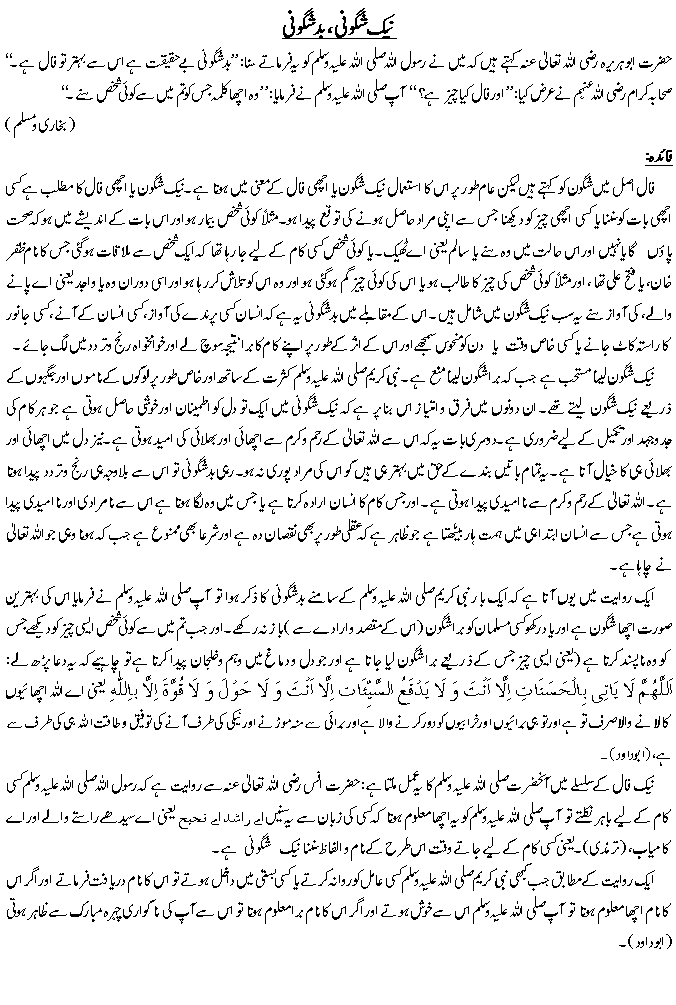
حضرت ابو ہریرہ رضی اللہ تعالیٰ عنہ کہتے ہیں کہ میں نے رسول اللہ صلی اللہ علیہ وسلم کو یہ فرماتے سنا: ”بد شگونی بے حقیقت ہے اس سے بہتر تو فال ہے۔“ صحابہ کرام رضی اللہ عنہم نے عرض کیا: ”اور فال کیا چیز ہے؟“ آپ صلی اللہ علیہ وسلم نے فرمایا: ”وہ اچھا کلمہ جس کو تم میں سے کوئی شخص سنے۔“ (بخاری و مسلم)
فال اصل میں شگون کو کہتے ہیں لیکن عام طور پر اس کا استعمال نیک شگون یا اچھی فال کے معنی میں ہوتا ہے۔ نیک شگون یا اچھی فال کا مطلب ہے کسی اچھی بات کو سننا یا کسی اچھی چیز کو دیکھنا جس سے اپنی مراد حاصل ہونے کی توقع پیدا ہو۔ مثلاً کوئی شخص بیمار ہو اور اس بات کے اندیشے میں ہو کہ صحت پاؤں گا یا نہیں اور اس حالت میں وہ سنے یا سالم یعنی اے ٹھیک۔ یا کوئی شخص کسی کام کے لیے جا رہا تھا کہ ایک شخص سے ملاقات ہو گئی جس کا نام مظفر خان، یا فتح علی تھا۔ اور مثلاً کوئی شخص کی چیز کا طالب ہو یا اس کی کوئی چیز گم ہو گئی ہو اور وہ اس کو تلاش کر رہا ہو اور اسی دوران وہ واجد یعنی اے پانے والے، کی آواز سنے یہ سب نیک شگون میں شامل ہیں۔ اس کے مقابلے میں بد شگونی یہ ہے کہ انسان کسی پرندے کی آواز، کسی انسان کے آنے، کسی جانور کا راستہ کاٹ جانے یا کسی خاص وقت یا دن کو منحوس سمجھے اپنے کام کا برا نتیجہ سوچ لے اور خواہ مخواہ رنج و تردد میں لگ جائے۔
نیک شگون لینا مستحب ہے جب کہ بد شگون لینا منع ہے۔ نبی کریم صلی اللہ علیہ وسلم کثرت کے ساتھ اور خاص طور پر لوگوں کے ناموں اور جگہوں کے ذریعے نیک شگون لیتے تھے۔ ان دونوں میں فرق و امتیاز اس بنا پر ہے کہ نیک شگونی میں ایک تو دل کو اطمینان اور خوشی حاصل ہوتی ہے جو ہر کام کی جدوجہد اور تکمیل کے لیے ضروری ہے۔ دوسری بات یہ کہ اس سے اللہ تعالیٰ کے رحم و کرم سے اچھائی اور بھلائی کی امید ہوتی ہے۔ نیز دل میں اچھائی اور بھلائی ہی کا خیال آتا ہے۔ یہ تمام باتیں بندے کے حق میں بہتر ہی ہیں گو اس کی مراد پوری نہ ہو۔ رہی بد شگونی تو اس سے بلا وجہ ہی رنج و تردد پیدا ہوتا ہے۔ اللہ تعالیٰ کے رحم و کرم سے نا امیدی پیدا ہوتی ہے۔ اور جس کام کا انسان ارادہ کرتا ہے یا جس میں وہ لگا ہوتا ہے اس سے نامرادی اور نا امیدی پیدا ہوتی ہے جس سے انسان ابتدا ہی میں ہمت ہار بیٹھتا ہے جو ظاہر ہے کہ عقلی طور پر بھی نقصان دہ ہے اور شرعاً بھی ممنوع ہے جب کہ ہوتا وہی ہے جو اللہ تعالیٰ نے چاہا ہے۔
ایک روایت میں یوں آتا ہے کہ ایک بار نبی کریم صلی اللہ علیہ وسلم کے سامنے بد شگونی کا ذکر ہوا تو آپ صلی اللہ علیہ وسلم نے فرمایا اس کی بہترین صورت اچھا شگون ہے اور یاد رکھو کسی مسلمان کو بد شگون (اس کے مقصد و ارادے سے) باز نہ رکھے۔ اور جب تم میں سے کوئی ایسی چیز کو دیکھے جس کو وہ ناپسند کرتا ہے (یعنی ایسی چیز جس کے ذریعے بد شگون لیا جاتا ہے اور جو دل و دماغ میں وہم و خلجان پیدا کرتا ہے) تو چاہیے کہ یہ دعا پڑھ لے: اَللّٰھُمَّ لَا یَاْتِیْ بِالْحَسَنَاتِ اِلَّا اَنْتَ وَ لَا یَدْفَعُ السَّیِّئَاتِ اِلَّا اَنْتَ وَ لَا حَوْلَ وَ لَا قُوَّۃَ اِلَّا بِاللّٰہِ یعنی اے اللہ اچھائیوں کا لانے والا تو ہی ہے اور تو ہی برائیوں اور خرابیوں کو دور کرنے والا ہے اور برائی سے منہ موڑنے اور نیکی کی طرف آنے کی توفیق و طاقت اللہ ہی کی طرف سے ہے، (ابو داود)۔
نیک فال کے سلسلے میں آنحضرت صلی اللہ علیہ وسلم کا یہ عمل ملتا ہے: حضرت انس رضی اللہ تعالیٰ عنہ سے روایت ہے کہ رسول اللہ صلی اللہ علیہ وسلم کسی کام کے لیے باہر نکلتے تو آپ صلی اللہ علیہ وسلم کو یہ اچھا معلوم ہوتا کہ کسی کی زبان سے یہ سنیں اے راشد! اے نجیح! یعنی اے سیدھے راستے والے اور اے کامیاب، (ترمذی)۔ یعنی کسی کام کے لیے جاتے وقت اس طرح کے نام و الفاظ سننا نیک شگونی ہے۔
ایک روایت کے مطابق جب کبھی نبی کریم صلی اللہ علیہ وسلم کسی عامل کو روانہ کرتے یا کسی بستی میں داخل ہوتے تو اس کا نام دریافت فرماتے اور اگر اس کا نام اچھا معلوم ہوتا تو آپ صلی اللہ علیہ وسلم اس سے خوش ہوتے اور اگر اس کا نام برا معلوم ہوتا تو اس کی ناگواری چہرہ مبارک سے ظاہر ہوتی (ابو داود)۔
نیک شگون لینا مستحب ہے جب کہ بد شگون لینا منع ہے۔ نبی کریم صلی اللہ علیہ وسلم کثرت کے ساتھ اور خاص طور پر لوگوں کے ناموں اور جگہوں کے ذریعے نیک شگون لیتے تھے۔ ان دونوں میں فرق و امتیاز اس بنا پر ہے کہ نیک شگونی میں ایک تو دل کو اطمینان اور خوشی حاصل ہوتی ہے جو ہر کام کی جدوجہد اور تکمیل کے لیے ضروری ہے۔ دوسری بات یہ کہ اس سے اللہ تعالیٰ کے رحم و کرم سے اچھائی اور بھلائی کی امید ہوتی ہے۔ نیز دل میں اچھائی اور بھلائی ہی کا خیال آتا ہے۔ یہ تمام باتیں بندے کے حق میں بہتر ہی ہیں گو اس کی مراد پوری نہ ہو۔ رہی بد شگونی تو اس سے بلا وجہ ہی رنج و تردد پیدا ہوتا ہے۔ اللہ تعالیٰ کے رحم و کرم سے نا امیدی پیدا ہوتی ہے۔ اور جس کام کا انسان ارادہ کرتا ہے یا جس میں وہ لگا ہوتا ہے اس سے نامرادی اور نا امیدی پیدا ہوتی ہے جس سے انسان ابتدا ہی میں ہمت ہار بیٹھتا ہے جو ظاہر ہے کہ عقلی طور پر بھی نقصان دہ ہے اور شرعاً بھی ممنوع ہے جب کہ ہوتا وہی ہے جو اللہ تعالیٰ نے چاہا ہے۔
ایک روایت میں یوں آتا ہے کہ ایک بار نبی کریم صلی اللہ علیہ وسلم کے سامنے بد شگونی کا ذکر ہوا تو آپ صلی اللہ علیہ وسلم نے فرمایا اس کی بہترین صورت اچھا شگون ہے اور یاد رکھو کسی مسلمان کو بد شگون (اس کے مقصد و ارادے سے) باز نہ رکھے۔ اور جب تم میں سے کوئی ایسی چیز کو دیکھے جس کو وہ ناپسند کرتا ہے (یعنی ایسی چیز جس کے ذریعے بد شگون لیا جاتا ہے اور جو دل و دماغ میں وہم و خلجان پیدا کرتا ہے) تو چاہیے کہ یہ دعا پڑھ لے: اَللّٰھُمَّ لَا یَاْتِیْ بِالْحَسَنَاتِ اِلَّا اَنْتَ وَ لَا یَدْفَعُ السَّیِّئَاتِ اِلَّا اَنْتَ وَ لَا حَوْلَ وَ لَا قُوَّۃَ اِلَّا بِاللّٰہِ یعنی اے اللہ اچھائیوں کا لانے والا تو ہی ہے اور تو ہی برائیوں اور خرابیوں کو دور کرنے والا ہے اور برائی سے منہ موڑنے اور نیکی کی طرف آنے کی توفیق و طاقت اللہ ہی کی طرف سے ہے، (ابو داود)۔
نیک فال کے سلسلے میں آنحضرت صلی اللہ علیہ وسلم کا یہ عمل ملتا ہے: حضرت انس رضی اللہ تعالیٰ عنہ سے روایت ہے کہ رسول اللہ صلی اللہ علیہ وسلم کسی کام کے لیے باہر نکلتے تو آپ صلی اللہ علیہ وسلم کو یہ اچھا معلوم ہوتا کہ کسی کی زبان سے یہ سنیں اے راشد! اے نجیح! یعنی اے سیدھے راستے والے اور اے کامیاب، (ترمذی)۔ یعنی کسی کام کے لیے جاتے وقت اس طرح کے نام و الفاظ سننا نیک شگونی ہے۔
ایک روایت کے مطابق جب کبھی نبی کریم صلی اللہ علیہ وسلم کسی عامل کو روانہ کرتے یا کسی بستی میں داخل ہوتے تو اس کا نام دریافت فرماتے اور اگر اس کا نام اچھا معلوم ہوتا تو آپ صلی اللہ علیہ وسلم اس سے خوش ہوتے اور اگر اس کا نام برا معلوم ہوتا تو اس کی ناگواری چہرہ مبارک سے ظاہر ہوتی (ابو داود)۔
English translation
Abu Hurayrah (may Allah be pleased with him) says: I heard the Messenger of Allah (peace and blessings be upon him) say: “Evil omens have no reality; better than that is the good omen (fa'l).” The noble Companions (may Allah be pleased with them) asked: “And what is fa'l?” The Prophet (peace and blessings be upon him) said: “A good word that any one of you hears.”
Fa'l in its origin means an omen, but it is generally used in the sense of a good omen or a favourable sign. A good omen means to hear some good word or to see some good thing from which the expectation arises that one's purpose will be attained. For example, a person may be ill and in fear as to whether he will regain health or not, and in that state he hears “Ya Salim” — that is, “O sound one.” Or a person was going for some task and met a man whose name was Muzaffar Khan (the victorious) or Fath 'Ali (the triumphant). And for example, a person may be seeking something, or something of his may have been lost and he is searching for it, and meanwhile he hears the call “Wajid” — that is, “O finder.” All these are included in good omens. As against this, an evil omen is that a person regards the call of some bird, the coming of some person, an animal crossing his path, or some particular time or day as inauspicious, and so imagines a bad outcome for his work and falls needlessly into grief and anxiety.
Taking a good omen is recommended, whereas taking an evil omen is forbidden. The Noble Prophet (peace and blessings be upon him) would frequently take good omens, and especially through the names of people and of places. The difference and distinction between the two rests on this: that in a good omen the heart first of all attains contentment and joy, which is necessary for the effort and completion of every task. The second point is that through it hope arises of goodness and welfare from the mercy and grace of Allah Almighty. Moreover, only thoughts of goodness and welfare come into the heart. All these things are better for the servant, even if his purpose is not fulfilled. As for the evil omen, from it grief and anxiety arise without cause. Despair of Allah Almighty's mercy and grace arises. And regarding the task a person intends, or the one he is engaged in, disappointment and hopelessness arise, on account of which a person loses heart at the very outset — which is clearly harmful even rationally, and is also forbidden in the Sacred Law, since what happens is only what Allah Almighty has willed.
In one narration it comes thus: that once evil omens were mentioned in the presence of the Noble Prophet (peace and blessings be upon him), and he said: the best form of it is a good omen; and remember, let an evil omen not hold any Muslim back (from his purpose and intention). And when any one of you sees something that he dislikes (that is, a thing by means of which an evil omen is taken and which creates misgiving and agitation in the heart and mind), then he should recite this supplication: Allahumma la ya'ti bil-hasanati illa anta, wa la yadfa'u as-sayyi'ati illa anta, wa la hawla wa la quwwata illa billah — that is: O Allah, You alone are the Bringer of good things, and You alone are the Remover of evils and ills, and the ability and strength to turn away from evil and to come towards good is from Allah alone (Abu Dawud).
Regarding good omens, this practice of the Prophet (peace and blessings be upon him) is found: it is narrated from Anas (may Allah be pleased with him) that when the Messenger of Allah (peace and blessings be upon him) went out for some task, it would please him to hear from someone's tongue the words “O Rashid! O Najih!” — that is, “O one upon the straight path” and “O successful one” (Tirmidhi). That is, to hear such names and words when setting out for a task is a good omen.
According to one narration, whenever the Noble Prophet (peace and blessings be upon him) dispatched an official, or entered some settlement, he would ask its name; and if its name seemed good, he would be pleased by it, and if its name seemed bad, displeasure at it would show on his blessed face (Abu Dawud).
Fa'l in its origin means an omen, but it is generally used in the sense of a good omen or a favourable sign. A good omen means to hear some good word or to see some good thing from which the expectation arises that one's purpose will be attained. For example, a person may be ill and in fear as to whether he will regain health or not, and in that state he hears “Ya Salim” — that is, “O sound one.” Or a person was going for some task and met a man whose name was Muzaffar Khan (the victorious) or Fath 'Ali (the triumphant). And for example, a person may be seeking something, or something of his may have been lost and he is searching for it, and meanwhile he hears the call “Wajid” — that is, “O finder.” All these are included in good omens. As against this, an evil omen is that a person regards the call of some bird, the coming of some person, an animal crossing his path, or some particular time or day as inauspicious, and so imagines a bad outcome for his work and falls needlessly into grief and anxiety.
Taking a good omen is recommended, whereas taking an evil omen is forbidden. The Noble Prophet (peace and blessings be upon him) would frequently take good omens, and especially through the names of people and of places. The difference and distinction between the two rests on this: that in a good omen the heart first of all attains contentment and joy, which is necessary for the effort and completion of every task. The second point is that through it hope arises of goodness and welfare from the mercy and grace of Allah Almighty. Moreover, only thoughts of goodness and welfare come into the heart. All these things are better for the servant, even if his purpose is not fulfilled. As for the evil omen, from it grief and anxiety arise without cause. Despair of Allah Almighty's mercy and grace arises. And regarding the task a person intends, or the one he is engaged in, disappointment and hopelessness arise, on account of which a person loses heart at the very outset — which is clearly harmful even rationally, and is also forbidden in the Sacred Law, since what happens is only what Allah Almighty has willed.
In one narration it comes thus: that once evil omens were mentioned in the presence of the Noble Prophet (peace and blessings be upon him), and he said: the best form of it is a good omen; and remember, let an evil omen not hold any Muslim back (from his purpose and intention). And when any one of you sees something that he dislikes (that is, a thing by means of which an evil omen is taken and which creates misgiving and agitation in the heart and mind), then he should recite this supplication: Allahumma la ya'ti bil-hasanati illa anta, wa la yadfa'u as-sayyi'ati illa anta, wa la hawla wa la quwwata illa billah — that is: O Allah, You alone are the Bringer of good things, and You alone are the Remover of evils and ills, and the ability and strength to turn away from evil and to come towards good is from Allah alone (Abu Dawud).
Regarding good omens, this practice of the Prophet (peace and blessings be upon him) is found: it is narrated from Anas (may Allah be pleased with him) that when the Messenger of Allah (peace and blessings be upon him) went out for some task, it would please him to hear from someone's tongue the words “O Rashid! O Najih!” — that is, “O one upon the straight path” and “O successful one” (Tirmidhi). That is, to hear such names and words when setting out for a task is a good omen.
According to one narration, whenever the Noble Prophet (peace and blessings be upon him) dispatched an official, or entered some settlement, he would ask its name; and if its name seemed good, he would be pleased by it, and if its name seemed bad, displeasure at it would show on his blessed face (Abu Dawud).
View original image
https://hadith.ahadees.com/hadees/2612 — Ahadees.com