

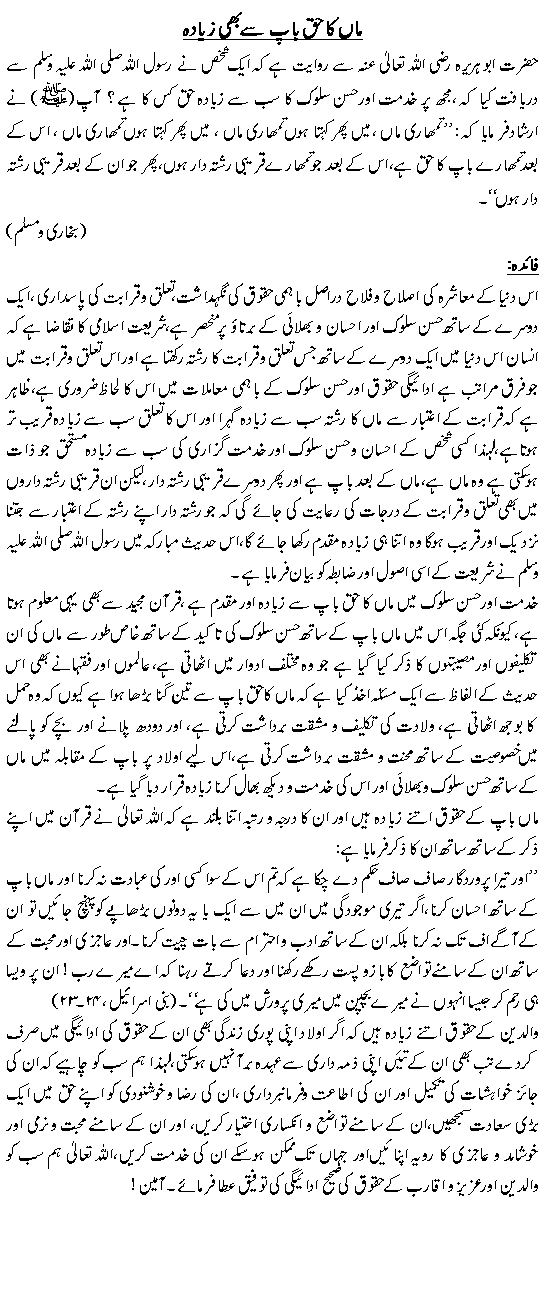
ماں کا حق باپ سے زیادہ
حضرت ابو ہریرہ رضی اللہ تعالیٰ عنہ سے روایت ہے کہ ایک شخص نے رسول اللہ صلی اللہ علیہ وسلم سے دریافت کیا کہ، مجھ پر خدمت اور حسن سلوک کا سب سے زیادہ حق کس کا ہے؟ آپ صلی اللہ علیہ وسلم نے ارشاد فرمایا کہ: “تمہاری ماں، میں نے پھر کہا تمہاری ماں، میں نے پھر کہا تمہاری ماں، اس کے بعد تمہارے باپ کا حق ہے، اس کے بعد جو تمہارا قریبی رشتہ دار ہو، پھر جو ان کے بعد قریبی رشتہ دار ہو”۔ (بخاری و مسلم)
اس دنیا کے معاشرہ کی اصلاح و فلاح دراصل باہمی حقوق کی نگہداشت، تعلق و قرابت کی پاسداری، ایک دوسرے کے ساتھ حسن سلوک اور احسان و بھلائی کے برتاؤ پر منحصر ہے، شریعتِ اسلامی کا تقاضا ہے کہ انسان اس دنیا میں ایک دوسرے کے ساتھ جس تعلق و قرابت کا رشتہ رکھتا ہے اس تعلق و قرابت میں جو فرقِ مراتب ہے ادائیگیِ حقوق میں آپسی معاملات میں اس کا لحاظ ضروری ہے، ظاہر ہے کہ قرابت کے اعتبار سے ماں کا رشتہ سب سے زیادہ گہرا ہے اور اس کا تعلق سب سے زیادہ قریب تر ہوتا ہے، لہٰذا جس شخص کے احسان و حسن سلوک اور خدمت گزاری کا سب سے زیادہ مستحق جو ذات ہوسکتی ہے وہ ماں ہے، ماں کے بعد باپ ہے اور پھر دوسرے قریبی رشتہ دار، لیکن ان قریبی رشتہ داروں میں بھی جس کا تعلق و قرابت کے درجات کی رعایت کی جائے گی، جو رشتہ دار اپنے رشتہ کے اعتبار سے جتنا نزدیک اور قریب ہوگا وہ اتنا ہی زیادہ مقدم رکھا جائے گا، اس حدیثِ مبارک میں رسول اللہ صلی اللہ علیہ وسلم نے شریعت کے اسی اصول و ضابطہ کو بیان فرمایا ہے۔
خدمت اور حسن سلوک میں ماں کا حق باپ سے بھی زیادہ اور مقدم ہے، قرآن مجید میں بھی یہی معلوم ہوتا ہے، کیونکہ جا بجا اس میں ماں باپ کے ساتھ حسن سلوک کی تاکید کے ساتھ خاص طور پر ماں کی ان تکلیفوں اور مصیبتوں کا ذکر کیا گیا ہے جو وہ مختلف ادوار میں اٹھاتی ہے، عالموں اور فقہا نے بھی اس حدیث کے الفاظ سے ایک مسئلہ اخذ کیا ہے کہ ماں کا حق باپ سے تین گنا بڑھا ہوا ہے کیوں کہ وہ حمل کا بوجھ اٹھاتی ہے، ولادت کی تکلیف و مشقت برداشت کرتی ہے، اور دودھ پلانے اور بچے کو پالنے میں خصوصیت کے ساتھ محنت و مشقت برداشت کرتی ہے، اس لیے اولاد پر باپ کے مقابلہ میں ماں کے ساتھ حسن سلوک و بھلائی اور اس کی خدمت و دیکھ بھال کرنا زیادہ قرار دیا گیا ہے۔
ماں باپ کے حقوق اتنے زیادہ ہیں اور ان کا درجہ و رتبہ اتنا بلند ہے کہ اللہ تعالیٰ نے اپنے ذکر کے ساتھ ساتھ ان کا ذکر فرمایا ہے:
“اور تیرا پروردگار صاف صاف حکم دے چکا ہے کہ تم اس کے سوا کسی اور کی عبادت نہ کرنا اور ماں باپ کے ساتھ احسان کرنا، اگر تیری موجودی میں ان میں سے ایک یا یہ دونوں بڑھاپے کو پہنچ جائیں تو ان کے آگے اُف تک نہ کرنا بلکہ ان کے ساتھ ادب و احترام سے بات چیت کرنا اور عاجزی اور محبت کے ساتھ ان کے سامنے تواضع کا بازو پست رکھنا اور کہنا اے میرے رب! ان پر ویسا ہی رحم کر جیسا انہوں نے میرے بچپن میں میری پرورش کی ہے”۔ (بنی اسرائیل، ۲۴۔۲۳)
والدین کے حقوق اتنے زیادہ ہیں اور ان کی خدمت اتنی اہم ہے کہ اگر اولاد اپنی پوری زندگی بھی ان کی ادائیگی میں صرف کر دے تب بھی ان کے تئیں اپنی ذمہ داری سے عہدہ برأ نہیں ہوسکتی، لہٰذا ہم سب کو چاہیے کہ ان کی ایک ایک خواہشات کی تکمیل کریں اور ان کی اطاعت و فرمانبرداری کریں، ان کی رضا و خوشنودی کو اپنے حق میں سعادت سمجھیں، ان کے سامنے تواضع اختیار کریں، ان کے سامنے محبت و ملنساری اور خوشامد و عاجزی کا رویہ اپنائیں اور جہاں تک ممکن ہو ان کی خدمت کریں، اللہ تعالیٰ ہم سب کو والدین اور عزیزوں اور اقارب کے حقوق کی صحیح ادائیگی کی توفیق عطا فرمائے۔ آمین!
خدمت اور حسن سلوک میں ماں کا حق باپ سے بھی زیادہ اور مقدم ہے، قرآن مجید میں بھی یہی معلوم ہوتا ہے، کیونکہ جا بجا اس میں ماں باپ کے ساتھ حسن سلوک کی تاکید کے ساتھ خاص طور پر ماں کی ان تکلیفوں اور مصیبتوں کا ذکر کیا گیا ہے جو وہ مختلف ادوار میں اٹھاتی ہے، عالموں اور فقہا نے بھی اس حدیث کے الفاظ سے ایک مسئلہ اخذ کیا ہے کہ ماں کا حق باپ سے تین گنا بڑھا ہوا ہے کیوں کہ وہ حمل کا بوجھ اٹھاتی ہے، ولادت کی تکلیف و مشقت برداشت کرتی ہے، اور دودھ پلانے اور بچے کو پالنے میں خصوصیت کے ساتھ محنت و مشقت برداشت کرتی ہے، اس لیے اولاد پر باپ کے مقابلہ میں ماں کے ساتھ حسن سلوک و بھلائی اور اس کی خدمت و دیکھ بھال کرنا زیادہ قرار دیا گیا ہے۔
ماں باپ کے حقوق اتنے زیادہ ہیں اور ان کا درجہ و رتبہ اتنا بلند ہے کہ اللہ تعالیٰ نے اپنے ذکر کے ساتھ ساتھ ان کا ذکر فرمایا ہے:
“اور تیرا پروردگار صاف صاف حکم دے چکا ہے کہ تم اس کے سوا کسی اور کی عبادت نہ کرنا اور ماں باپ کے ساتھ احسان کرنا، اگر تیری موجودی میں ان میں سے ایک یا یہ دونوں بڑھاپے کو پہنچ جائیں تو ان کے آگے اُف تک نہ کرنا بلکہ ان کے ساتھ ادب و احترام سے بات چیت کرنا اور عاجزی اور محبت کے ساتھ ان کے سامنے تواضع کا بازو پست رکھنا اور کہنا اے میرے رب! ان پر ویسا ہی رحم کر جیسا انہوں نے میرے بچپن میں میری پرورش کی ہے”۔ (بنی اسرائیل، ۲۴۔۲۳)
والدین کے حقوق اتنے زیادہ ہیں اور ان کی خدمت اتنی اہم ہے کہ اگر اولاد اپنی پوری زندگی بھی ان کی ادائیگی میں صرف کر دے تب بھی ان کے تئیں اپنی ذمہ داری سے عہدہ برأ نہیں ہوسکتی، لہٰذا ہم سب کو چاہیے کہ ان کی ایک ایک خواہشات کی تکمیل کریں اور ان کی اطاعت و فرمانبرداری کریں، ان کی رضا و خوشنودی کو اپنے حق میں سعادت سمجھیں، ان کے سامنے تواضع اختیار کریں، ان کے سامنے محبت و ملنساری اور خوشامد و عاجزی کا رویہ اپنائیں اور جہاں تک ممکن ہو ان کی خدمت کریں، اللہ تعالیٰ ہم سب کو والدین اور عزیزوں اور اقارب کے حقوق کی صحیح ادائیگی کی توفیق عطا فرمائے۔ آمین!
English translation
Abu Hurayra (may Allah be pleased with him) relates that a man asked the Messenger of Allah (ﷺ): “Who has the greatest right over me to service and good treatment?” He (ﷺ) said: “Your mother.” I asked again; he said, “Your mother.” I asked again; he said, “Your mother. After her, your father has the right; after him, whoever is your nearest relative; then whoever is nearest after them.” (Bukhari and Muslim)
The reform and welfare of human society depends in truth on safeguarding mutual rights, on honouring the ties of relationship and kinship, and on treating one another with good conduct, kindness and benevolence. Islamic law requires that, in the relationship and kinship a person has with others in this world, the difference of degrees within that relationship be observed in the fulfilment of rights and in mutual dealings. It is evident that, by way of kinship, the mother's tie is the deepest of all and her bond the closest; therefore the one most deserving of a person's kindness, good treatment and service is the mother, then the father, and then one's other near relatives. Yet among these near relatives too the degrees of relationship and closeness are to be observed: the nearer a relative is by his relationship, the more he is to be given precedence. In this blessed hadith the Messenger of Allah (ﷺ) has stated this very principle of the Shari'a.
In service and good treatment the mother's right is even greater than the father's and takes precedence; the Glorious Qur'an indicates the same, for in many places, alongside enjoining kindness to both parents, it particularly mentions the hardships and pains the mother bears through her various stages. The scholars and jurists have also derived a ruling from the words of this hadith: that the mother's right is threefold greater than the father's, because she bears the burden of pregnancy, endures the pain and toil of childbirth, and bears special effort and hardship in suckling and rearing the child. For this reason, being kind and good to the mother and serving and caring for her has been declared greater upon the child than towards the father.
So great are the rights of parents and so lofty their rank that Allah has mentioned them together with the mention of Himself:
“And your Lord has decreed clearly that you worship none but Him, and that you be kind to parents. If one of them or both of them reach old age in your presence, do not say even ‘uff' to them, but speak to them with respect and honour, and lower to them the wing of humility out of tenderness and love, and say: My Lord, have mercy upon them just as they nurtured me when I was small.” (Bani Isra'il, 23-24)
So great are the rights of parents and so important their service that even if a child were to spend his whole life in fulfilling them, he could not discharge his duty towards them. Therefore we should all fulfil their every wish, obey and comply with them, count their pleasure and approval a blessing for ourselves, be humble before them, adopt towards them an attitude of love, gentleness, deference and humility, and serve them as far as we possibly can. May Allah grant us all the ability to duly fulfil the rights of parents, relatives and kin. Ameen!
The reform and welfare of human society depends in truth on safeguarding mutual rights, on honouring the ties of relationship and kinship, and on treating one another with good conduct, kindness and benevolence. Islamic law requires that, in the relationship and kinship a person has with others in this world, the difference of degrees within that relationship be observed in the fulfilment of rights and in mutual dealings. It is evident that, by way of kinship, the mother's tie is the deepest of all and her bond the closest; therefore the one most deserving of a person's kindness, good treatment and service is the mother, then the father, and then one's other near relatives. Yet among these near relatives too the degrees of relationship and closeness are to be observed: the nearer a relative is by his relationship, the more he is to be given precedence. In this blessed hadith the Messenger of Allah (ﷺ) has stated this very principle of the Shari'a.
In service and good treatment the mother's right is even greater than the father's and takes precedence; the Glorious Qur'an indicates the same, for in many places, alongside enjoining kindness to both parents, it particularly mentions the hardships and pains the mother bears through her various stages. The scholars and jurists have also derived a ruling from the words of this hadith: that the mother's right is threefold greater than the father's, because she bears the burden of pregnancy, endures the pain and toil of childbirth, and bears special effort and hardship in suckling and rearing the child. For this reason, being kind and good to the mother and serving and caring for her has been declared greater upon the child than towards the father.
So great are the rights of parents and so lofty their rank that Allah has mentioned them together with the mention of Himself:
“And your Lord has decreed clearly that you worship none but Him, and that you be kind to parents. If one of them or both of them reach old age in your presence, do not say even ‘uff' to them, but speak to them with respect and honour, and lower to them the wing of humility out of tenderness and love, and say: My Lord, have mercy upon them just as they nurtured me when I was small.” (Bani Isra'il, 23-24)
So great are the rights of parents and so important their service that even if a child were to spend his whole life in fulfilling them, he could not discharge his duty towards them. Therefore we should all fulfil their every wish, obey and comply with them, count their pleasure and approval a blessing for ourselves, be humble before them, adopt towards them an attitude of love, gentleness, deference and humility, and serve them as far as we possibly can. May Allah grant us all the ability to duly fulfil the rights of parents, relatives and kin. Ameen!
View original image
https://hadith.ahadees.com/hadees/616 — Ahadees.com