

بعض اہم برائیاں
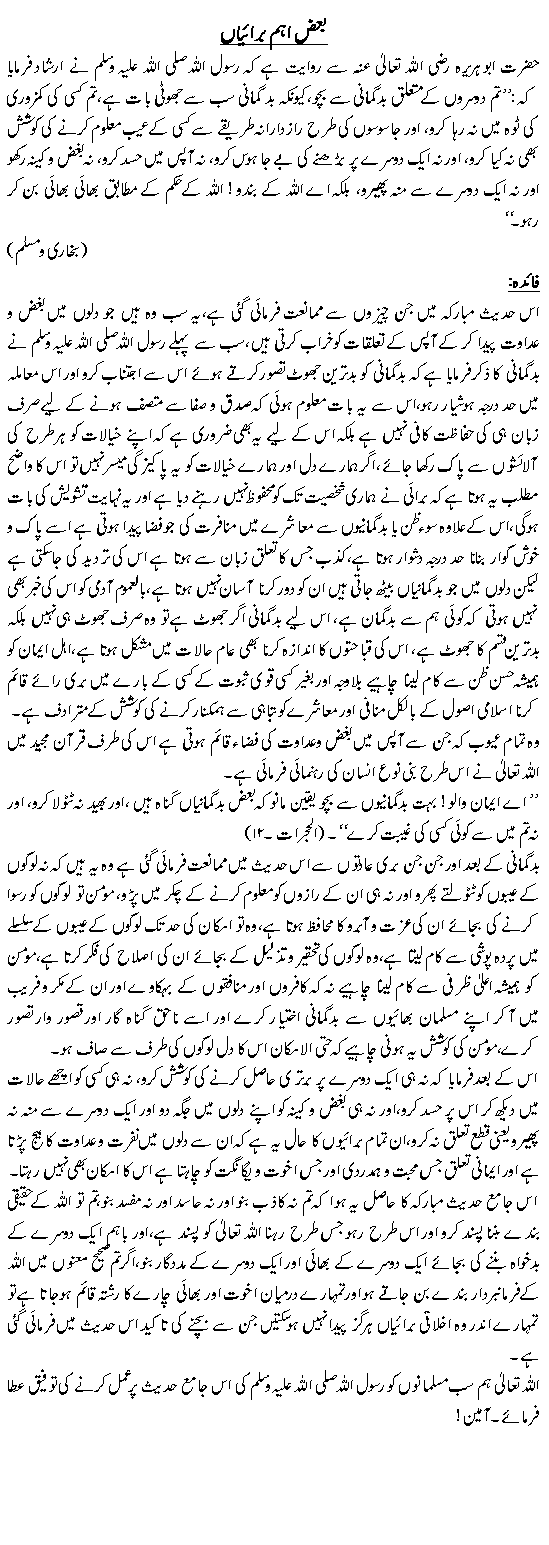
حضرت ابو ہریرہ رضی اللہ تعالیٰ عنہ سے روایت ہے کہ رسول اللہ صلی اللہ علیہ وسلم نے ارشاد فرمایا: ”تم دوسرے کے متعلق بدگمانی سے بچو، کیونکہ بدگمانی سب سے جھوٹی بات ہے، اور نہ کسی کی ٹوہ میں رہا کرو، اور نہ جاسوسی کیا کرو، اور نہ ایک دوسرے کے پیچھے بے جا درپے ہو، نہ آپس میں حسد کرو، نہ بغض اور کینہ رکھو، اور نہ ایک دوسرے سے منہ پھیرو، بلکہ اے اللہ کے بندو! اللہ کے حکم کے مطابق بھائی بھائی بن کر رہو۔“ (بخاری و مسلم)
اس حدیث مبارک میں جن چیزوں سے ممانعت فرمائی گئی ہے، یہ سب وہ ہیں جو دلوں میں بغض و عداوت پیدا کر کے آپس کے تعلقات کو خراب کرتی ہیں، سب سے پہلے رسول اللہ صلی اللہ علیہ وسلم نے بدگمانی کا ذکر فرمایا ہے کہ بدگمانی کو بدترین جھوٹ تصور کرتے ہوئے اس سے اجتناب کرو اور اس معاملہ میں حد درجہ ہوشیار رہو، اس سے یہ بات معلوم ہوئی کہ صدق و صفا سے متصف ہونے کے لیے صرف زبان ہی کی حفاظت کافی نہیں ہے بلکہ اس کے لیے یہ بھی ضروری ہے کہ اپنے خیالات کو بھی ہر طرح کی آلائشوں سے پاک رکھا جائے، اگر ہمارے دل اور ہمارے خیالات پاکیزہ نہیں رہتے تو اس کا واضح مطلب یہ ہوگا کہ ہم برائی کی شخصیت تک محفوظ نہیں رہتے اور یہ نہایت تشویش کی بات ہوگی، اس کے علاوہ سوءِ ظن اور بدگمانی سے معاشرے میں منافرت کی جو فضا پیدا ہوتی ہے اس سے پاک و خوش گوار بنانا حد درجہ دشوار ہوتا ہے، کذب جس کا تعلق زبان سے ہوتا ہے اس کی تردید کی جا سکتی ہے لیکن دلوں میں جو بدگمانی بیٹھ جاتی ہے اس کو دور کرنا آسان نہیں ہوتا، بالعموم آدمی کو اس کی خبر بھی نہیں ہوتی کہ کوئی اس سے بدگمان ہے، اس لیے بدگمانی کا جھوٹ صرف جھوٹ ہی نہیں بلکہ بدترین قسم کا جھوٹ ہے، اس کی قباحتوں کا اندازہ کرنا بھی عام حالات میں مشکل ہوتا ہے، اہلِ ایمان کو ہمیشہ حسنِ ظن سے کام لینا چاہیے، بلاوجہ اور بغیر کسی قوی ثبوت کے کسی کے بارے میں بری رائے قائم کرنا اسلامی اصولوں کے بالکل منافی اور معاشرے کی تباہی کی کوشش کے مترادف ہے۔
وہ تمام عیوب کہ جن سے آپس میں بغض و عداوت کی فضا قائم ہوتی ہے اس کی طرف قرآن مجید میں اللہ تعالیٰ نے اس طرح نوعِ انسان کی رہنمائی فرمائی ہے:
”اے ایمان والو! بہت بدگمانیوں سے بچو، بعض بدگمانیاں گناہ ہیں، اور نہ بھید ٹٹولا کرو، اور نہ تم میں سے کوئی کسی کی غیبت کرے۔“ (الحجرات – ۱۲)
بدگمانی کے بعد اور جن جن بری عادتوں سے اس حدیث میں ممانعت فرمائی گئی ہے وہ یہ ہیں کہ نہ لوگوں کے عیبوں کو ٹٹولتے پھرو اور نہ ہی ان کے رازوں کو معلوم کرنے کے چکر میں پڑو، مومن تو ہر پردہ پوشی کرنے والا اور رازوں کا محافظ ہوتا ہے، وہ تا حدِ امکان لوگوں کے عیبوں کے سلسلہ میں پردہ پوشی سے کام لیتا ہے، مومن تو ہمیشہ اعلیٰ ظرفی سے کام لیتا ہے، لوگوں کی تحقیر و تذلیل کے بجائے ان کی اصلاح کی فکر مند ہوتا ہے، مومن کو چاہیے کہ اپنے مسلمان بھائیوں سے بدگمانی اختیار نہ کرے اور اسے ناحق گناہ گار اور قصور وار تصور نہ کرے، مومن کی کوشش یہی ہونی چاہیے کہ حتی الامکان اس کا دل لوگوں کی طرف سے صاف رہے۔
اس کے بعد فرمایا کہ نہ ہی ایک دوسرے پر برتری حاصل کرنے کی کوشش کرو، نہ کسی کے ایسے حالات پر نظر رکھو جس پر اس سے حسد کرو، اور نہ ہی بغض و کینہ رکھو، اور ایک دوسرے کو جگہ دو، اور ایک دوسرے سے منہ نہ پھیرو یعنی قطع تعلق نہ کرو، ان تمام برائیوں کا حال یہ ہے کہ ان سے دلوں میں نفرت و عداوت پیدا ہوتی ہے اور ایمانی تعلق، جس محبت و ہمدردی اور جس اخوت و یگانگت کا رشتہ قائم ہونا چاہیے، اس کے قائم رہنے کا امکان بھی نہیں رہتا۔
اس جامع حدیث مبارک کا حاصل یہ ہے کہ تم نہ کاذب بنو، نہ حاسد بنو، نہ مفسد بنو، تم اللہ کے حقیقی بندے بنا کرو اور اس طرح رہو کہ آپس میں ایک دوسرے کے بھائی چارہ اور باہمی محبت میں اللہ کے فرمانبردار بندے بن جاؤ اور تمہارے درمیان اخوت اور بھائی چارہ کا رشتہ قائم ہو جائے، تمہارے اندر وہ اخلاقی برائیاں جن سے بچنے کی تاکید اس حدیث میں فرمائی گئی ہے، ہرگز پیدا نہیں ہو سکتیں۔
اللہ تعالیٰ ہم سب مسلمانوں کو رسول اللہ صلی اللہ علیہ وسلم کی اس جامع حدیث پر عمل کرنے کی توفیق عطا فرمائے۔ آمین!
وہ تمام عیوب کہ جن سے آپس میں بغض و عداوت کی فضا قائم ہوتی ہے اس کی طرف قرآن مجید میں اللہ تعالیٰ نے اس طرح نوعِ انسان کی رہنمائی فرمائی ہے:
”اے ایمان والو! بہت بدگمانیوں سے بچو، بعض بدگمانیاں گناہ ہیں، اور نہ بھید ٹٹولا کرو، اور نہ تم میں سے کوئی کسی کی غیبت کرے۔“ (الحجرات – ۱۲)
بدگمانی کے بعد اور جن جن بری عادتوں سے اس حدیث میں ممانعت فرمائی گئی ہے وہ یہ ہیں کہ نہ لوگوں کے عیبوں کو ٹٹولتے پھرو اور نہ ہی ان کے رازوں کو معلوم کرنے کے چکر میں پڑو، مومن تو ہر پردہ پوشی کرنے والا اور رازوں کا محافظ ہوتا ہے، وہ تا حدِ امکان لوگوں کے عیبوں کے سلسلہ میں پردہ پوشی سے کام لیتا ہے، مومن تو ہمیشہ اعلیٰ ظرفی سے کام لیتا ہے، لوگوں کی تحقیر و تذلیل کے بجائے ان کی اصلاح کی فکر مند ہوتا ہے، مومن کو چاہیے کہ اپنے مسلمان بھائیوں سے بدگمانی اختیار نہ کرے اور اسے ناحق گناہ گار اور قصور وار تصور نہ کرے، مومن کی کوشش یہی ہونی چاہیے کہ حتی الامکان اس کا دل لوگوں کی طرف سے صاف رہے۔
اس کے بعد فرمایا کہ نہ ہی ایک دوسرے پر برتری حاصل کرنے کی کوشش کرو، نہ کسی کے ایسے حالات پر نظر رکھو جس پر اس سے حسد کرو، اور نہ ہی بغض و کینہ رکھو، اور ایک دوسرے کو جگہ دو، اور ایک دوسرے سے منہ نہ پھیرو یعنی قطع تعلق نہ کرو، ان تمام برائیوں کا حال یہ ہے کہ ان سے دلوں میں نفرت و عداوت پیدا ہوتی ہے اور ایمانی تعلق، جس محبت و ہمدردی اور جس اخوت و یگانگت کا رشتہ قائم ہونا چاہیے، اس کے قائم رہنے کا امکان بھی نہیں رہتا۔
اس جامع حدیث مبارک کا حاصل یہ ہے کہ تم نہ کاذب بنو، نہ حاسد بنو، نہ مفسد بنو، تم اللہ کے حقیقی بندے بنا کرو اور اس طرح رہو کہ آپس میں ایک دوسرے کے بھائی چارہ اور باہمی محبت میں اللہ کے فرمانبردار بندے بن جاؤ اور تمہارے درمیان اخوت اور بھائی چارہ کا رشتہ قائم ہو جائے، تمہارے اندر وہ اخلاقی برائیاں جن سے بچنے کی تاکید اس حدیث میں فرمائی گئی ہے، ہرگز پیدا نہیں ہو سکتیں۔
اللہ تعالیٰ ہم سب مسلمانوں کو رسول اللہ صلی اللہ علیہ وسلم کی اس جامع حدیث پر عمل کرنے کی توفیق عطا فرمائے۔ آمین!
English translation
Abu Hurayrah (may Allah be pleased with him) reported that the Messenger of Allah ﷺ said: “Beware of suspicion regarding others, for suspicion is the falsest of speech. Do not seek out one another’s faults, do not spy on one another, do not vainly pursue one another, do not envy one another, do not harbour hatred or rancour, and do not turn your backs on one another; but, O servants of Allah, be brothers, as Allah has commanded you.”
All the things forbidden in this noble hadith are those that breed hatred and enmity in hearts and corrupt mutual relations. The Messenger of Allah ﷺ first mentioned suspicion, enjoining that we regard ill-thought as the worst of lies, utterly avoid it, and be extremely careful in this matter. This shows that to be characterised by truthfulness and purity it is not enough merely to guard the tongue; it is also necessary to keep one’s thoughts free of every kind of blemish. If our hearts and thoughts do not remain pure, it clearly means that we are not safe from evil, which would be a most alarming state. Moreover, the atmosphere of hatred that ill-thought and suspicion create in society is extremely hard to cleanse and make wholesome again. Falsehood connected with the tongue can be refuted, but the suspicion that settles in hearts is not easily removed — usually a person does not even know that another thinks ill of him — which is why the lie of suspicion is not merely a lie but the worst kind of lie, whose harms are hard to gauge in ordinary circumstances. The people of faith should always think well of others; to form a bad opinion of someone without cause or firm proof is entirely contrary to the principles of Islam and amounts to an attempt to ruin society.
Regarding all the faults from which mutual hatred and enmity arise, Allah has guided humankind in the Qur’an thus: “O you who believe, avoid much suspicion; indeed, some suspicion is sin. And do not spy, nor let any of you backbite another.” (al-Hujurat: 12)
After suspicion, the other evil habits forbidden in this hadith are that you should not go about probing people’s faults nor chase after their secrets. The believer conceals faults and guards secrets, and as far as possible covers people’s faults; he always acts with magnanimity, and rather than degrading and humiliating people, is concerned for their reform. A believer should not harbour suspicion of his Muslim brothers nor unjustly consider them guilty and at fault; his effort should be that his heart remains as clear as possible towards others. The hadith then forbids seeking to outdo one another, watching for circumstances that arouse envy, harbouring hatred and rancour, and turning away from or cutting off one another — for all these breed hatred and enmity in hearts and destroy the bond of love, sympathy and brotherhood that faith seeks to establish. The sum of this comprehensive hadith is: be neither a liar, nor an envier, nor a corrupter; be the true servants of Allah and live so that you become, in mutual brotherhood and love, Allah’s obedient servants, and the bond of brotherhood is established among you — so that the moral vices this hadith warns against can never arise in you. May Allah grant all of us Muslims the ability to act upon this comprehensive hadith of the Messenger of Allah ﷺ. Amin!
All the things forbidden in this noble hadith are those that breed hatred and enmity in hearts and corrupt mutual relations. The Messenger of Allah ﷺ first mentioned suspicion, enjoining that we regard ill-thought as the worst of lies, utterly avoid it, and be extremely careful in this matter. This shows that to be characterised by truthfulness and purity it is not enough merely to guard the tongue; it is also necessary to keep one’s thoughts free of every kind of blemish. If our hearts and thoughts do not remain pure, it clearly means that we are not safe from evil, which would be a most alarming state. Moreover, the atmosphere of hatred that ill-thought and suspicion create in society is extremely hard to cleanse and make wholesome again. Falsehood connected with the tongue can be refuted, but the suspicion that settles in hearts is not easily removed — usually a person does not even know that another thinks ill of him — which is why the lie of suspicion is not merely a lie but the worst kind of lie, whose harms are hard to gauge in ordinary circumstances. The people of faith should always think well of others; to form a bad opinion of someone without cause or firm proof is entirely contrary to the principles of Islam and amounts to an attempt to ruin society.
Regarding all the faults from which mutual hatred and enmity arise, Allah has guided humankind in the Qur’an thus: “O you who believe, avoid much suspicion; indeed, some suspicion is sin. And do not spy, nor let any of you backbite another.” (al-Hujurat: 12)
After suspicion, the other evil habits forbidden in this hadith are that you should not go about probing people’s faults nor chase after their secrets. The believer conceals faults and guards secrets, and as far as possible covers people’s faults; he always acts with magnanimity, and rather than degrading and humiliating people, is concerned for their reform. A believer should not harbour suspicion of his Muslim brothers nor unjustly consider them guilty and at fault; his effort should be that his heart remains as clear as possible towards others. The hadith then forbids seeking to outdo one another, watching for circumstances that arouse envy, harbouring hatred and rancour, and turning away from or cutting off one another — for all these breed hatred and enmity in hearts and destroy the bond of love, sympathy and brotherhood that faith seeks to establish. The sum of this comprehensive hadith is: be neither a liar, nor an envier, nor a corrupter; be the true servants of Allah and live so that you become, in mutual brotherhood and love, Allah’s obedient servants, and the bond of brotherhood is established among you — so that the moral vices this hadith warns against can never arise in you. May Allah grant all of us Muslims the ability to act upon this comprehensive hadith of the Messenger of Allah ﷺ. Amin!
View original image
https://hadith.ahadees.com/hadees/801 — Ahadees.com